
The Italian Sunday Lunch: A Tradition That Never Dies
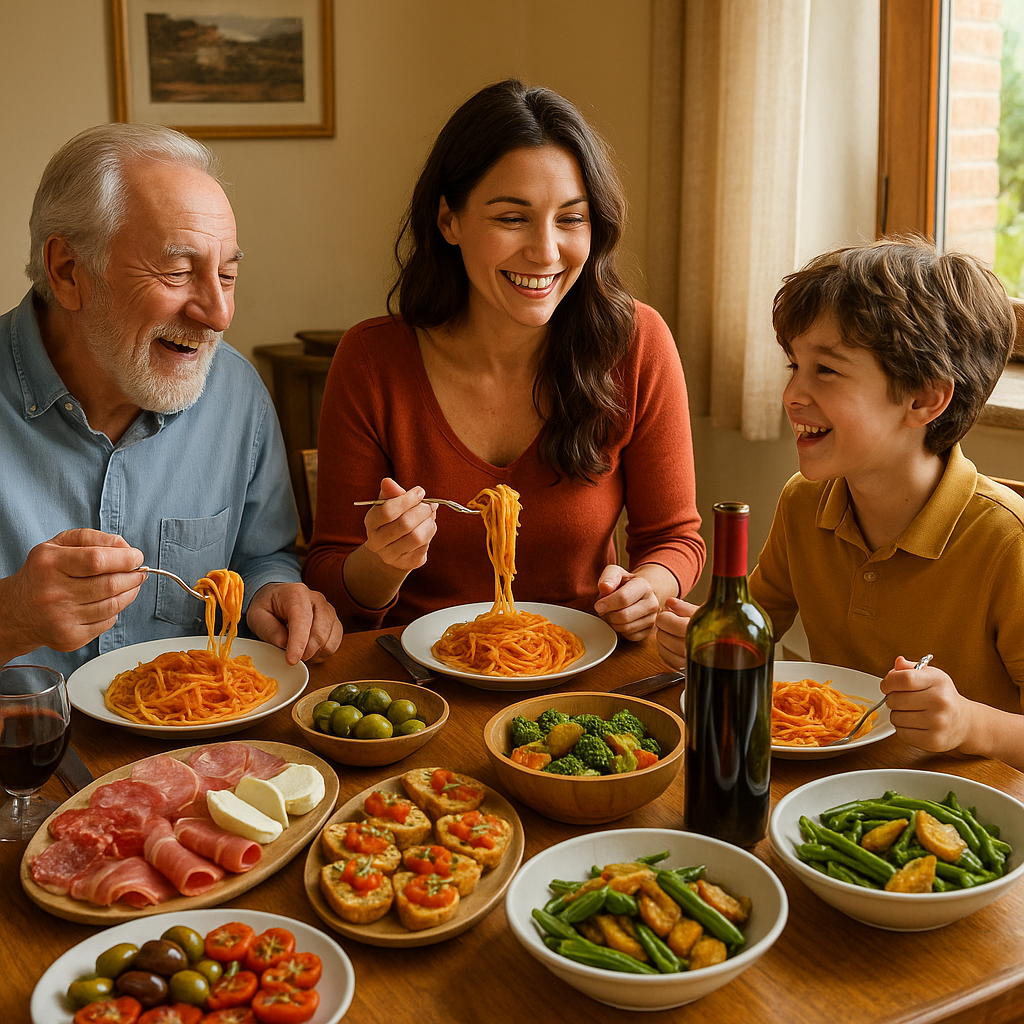
There are few cultural rituals in Italy as enduring, comforting, and universally beloved as the Sunday lunch. More than a meal, it is an institution—an unshakable anchor in a week that might otherwise feel hurried and fragmented. In an era where fast food, shifting schedules, and digital distractions threaten to pull families apart, the Italian pranzo della domenica remains a timeless reminder of what it means to gather, to savor, and to belong. The Sunday lunch is not about speed or convenience; it is about taking the time to sit at a table for hours, surrounded by relatives and friends, and celebrating the richness of life through food, conversation, and connection.
What makes the Italian Sunday lunch so remarkable is its resilience. In cities where modern lifestyles have altered the rhythm of daily meals, in villages where traditions remain strong, and even among Italians living abroad, the ritual endures. It transcends generations: grandparents expect it, parents carry it forward, and children grow up knowing that Sunday is different from any other day of the week. The food itself changes from region to region—lasagna in Emilia-Romagna, pasta al forno in the south, bollito misto in the north—but the essence is the same: abundance, ritual, and togetherness.
The roots of the Sunday lunch are deep. Historically, Sunday was the day of rest, tied to Catholic traditions of attending mass and then returning home for a feast. It was a time when families would prepare dishes too elaborate for weekdays, making Sunday both sacred and celebratory. Even today, though religious practice has declined in many parts of Italy, the cultural habit of the long, generous Sunday lunch has survived. Italians may no longer start their Sunday with church, but they still gather around the table as faithfully as ever.
The Italian Sunday lunch also reveals something profound about Italian culture: the idea that food is not only nourishment but also communication. Each dish carries meaning—recipes passed down through generations, flavors tied to family history, and preparations that often involve multiple members of the household. Cooking for Sunday lunch is itself an act of love and devotion. And once everyone sits down, the table becomes a stage for storytelling, debate, laughter, and sometimes even the occasional argument that somehow strengthens family bonds.
For learners of Italian, understanding the Sunday lunch is more than just appreciating the cuisine—it’s a cultural key. The vocabulary tied to the dishes, the idioms used at the table, and the expressions of hospitality all reflect the Italian worldview. Words like antipasto, primo, secondo, contorno, and dolce are more than course names; they are chapters in a story Italians tell every Sunday, a story of abundance and gratitude.
In this article, we’ll explore the Italian Sunday lunch in depth: its history, its structure, its regional variations, and its role in modern life. We’ll also look at the language of the table, offering learners the vocabulary and expressions they need to join an Italian pranzo della domenica with confidence. By the end, you’ll see why this tradition never dies—and why it continues to define Italian identity in a way that is both delicious and profound.
1. The Structure of a Traditional Italian Sunday Lunch
A true pranzo della domenica unfolds like a symphony, with multiple courses building toward a crescendo of abundance. While not every family includes all the following, the structure is widely recognized:
Antipasto – Small bites to awaken the appetite: cured meats, cheeses, olives, bruschette.
Primo piatto – A first course of pasta, risotto, or soup. In southern Italy, baked pasta (pasta al forno) is a Sunday staple.
Secondo piatto – A main course, usually meat or fish. In northern Italy, roasts or bollito misto (mixed boiled meats) are common.
Contorni – Side dishes of vegetables, often seasonal.
Dolce – Dessert, ranging from regional cakes to tiramisù or crostata.
Frutta e caffè – Fresh fruit followed by espresso.
Digestivo – A small glass of liqueur like grappa or limoncello to conclude.
2. Regional Variations
Emilia-Romagna: Known for lasagne alla bolognese and fresh egg pasta.
Naples and the South: Pasta al forno, meatballs in sauce, and rich pastries like babà.
Veneto: Risotto often takes center stage.
Tuscany: Roasts such as arrosto di maiale with beans.
Sicily: Extravagant spreads, including arancini as antipasto and cassata for dessert.
3. The Role of the Nonna
No Sunday lunch is complete without the guiding hand of the nonna. She is often the orchestrator of the meal, ensuring that every dish is both abundant and faithful to family tradition. She may also be the one who insists that everyone eats a second portion, reminding grandchildren that “mangiare è salute” (eating is health).
4. The Language of the Table
Learning Italian through the Sunday lunch means mastering not just food names but expressions:
Vuoi un altro po’? – Do you want a little more?
È pronto in tavola! – Dinner’s ready!
Non si dice di no alla nonna. – You don’t say no to grandma.
Fare il bis – To have seconds.
5. The Cultural Function of Sunday Lunch
Sunday lunch is not just a meal but a ritual of slowing down. In Italy, where the workweek can be hectic, Sunday is a time to reconnect. The table becomes a place where generations sit together, where children hear stories of the past, and where family ties are reaffirmed. Even arguments are part of the ritual, seen as signs of lively communication rather than division.
6. Sunday Lunch in Modern Italy
Though urban lifestyles have introduced changes—smaller families, busier weekends—Sunday lunch endures. Even young Italians living in big cities often return home for lunch with their parents or grandparents. Restaurants also offer special Sunday menus, catering to those who may not cook but still crave the ritual of the long meal.
FAQs: THE ITALIAN SUNDAY LUNCH
Q: Do Italians still eat long Sunday lunches today?
Yes. While formats vary, the tradition is alive both in homes and restaurants.
Q: How long does a Sunday lunch usually last?
Anywhere from two to four hours, depending on the family.
Q: Do all Italian families follow the same structure?
No. It varies by region and household, but the idea of multiple courses and abundance is universal.
Q: Is Sunday lunch always cooked at home?
Traditionally, yes, but many families now enjoy Sunday lunch in trattorie or restaurants.
Q: Is it rude to refuse food at Sunday lunch?
Often yes—especially with nonna! Italians see accepting food as part of the hospitality ritual.
Q: What role does wine play?
Wine is integral, usually regional, and chosen to complement the meal.
Q: Do Italians invite non-family members to Sunday lunch?
Yes. Friends, neighbors, and significant others are often welcomed.
Q: Is Sunday lunch just about food?
No. It’s equally about conversation, storytelling, and reaffirming family bonds.
Final Thoughts
The Italian Sunday lunch is a tradition that refuses to fade, because it speaks to something timeless: the human need for community, nourishment, and continuity. To sit at the Sunday table is to taste history, love, and belonging. For Italians, it is one of the most important rituals of the week; for language learners, it offers a living lesson in culture, vocabulary, and values.
At Polyglottist Language Academy, we believe language learning should go beyond textbooks. That’s why our Italian courses dive into cultural rituals like the Sunday lunch, giving you not just words but context. Learn how to talk about food, family, and traditions, and you’ll be speaking Italian the way it’s really lived. Sign up today for our classes—online or in-person—and discover the Italian way of life from the inside.
And if you enjoyed this article, continue your journey through Italian culture with more of our blog posts:
Why Italians Live With Their Parents Longer (And What It Says About Culture)
How Italians Really Eat Pasta (And The Rules Tourists Break)
How Italians Really Speak: Street Italian Vs. Textbook Italian
Italian Language Meets Italian Lifestyle: What You Can Only Learn On The Ground
Learning Italian In San Francisco: Best Places, Classes, And Meetups