
Italian Breakfast: Why It’s Always Sweet and Light
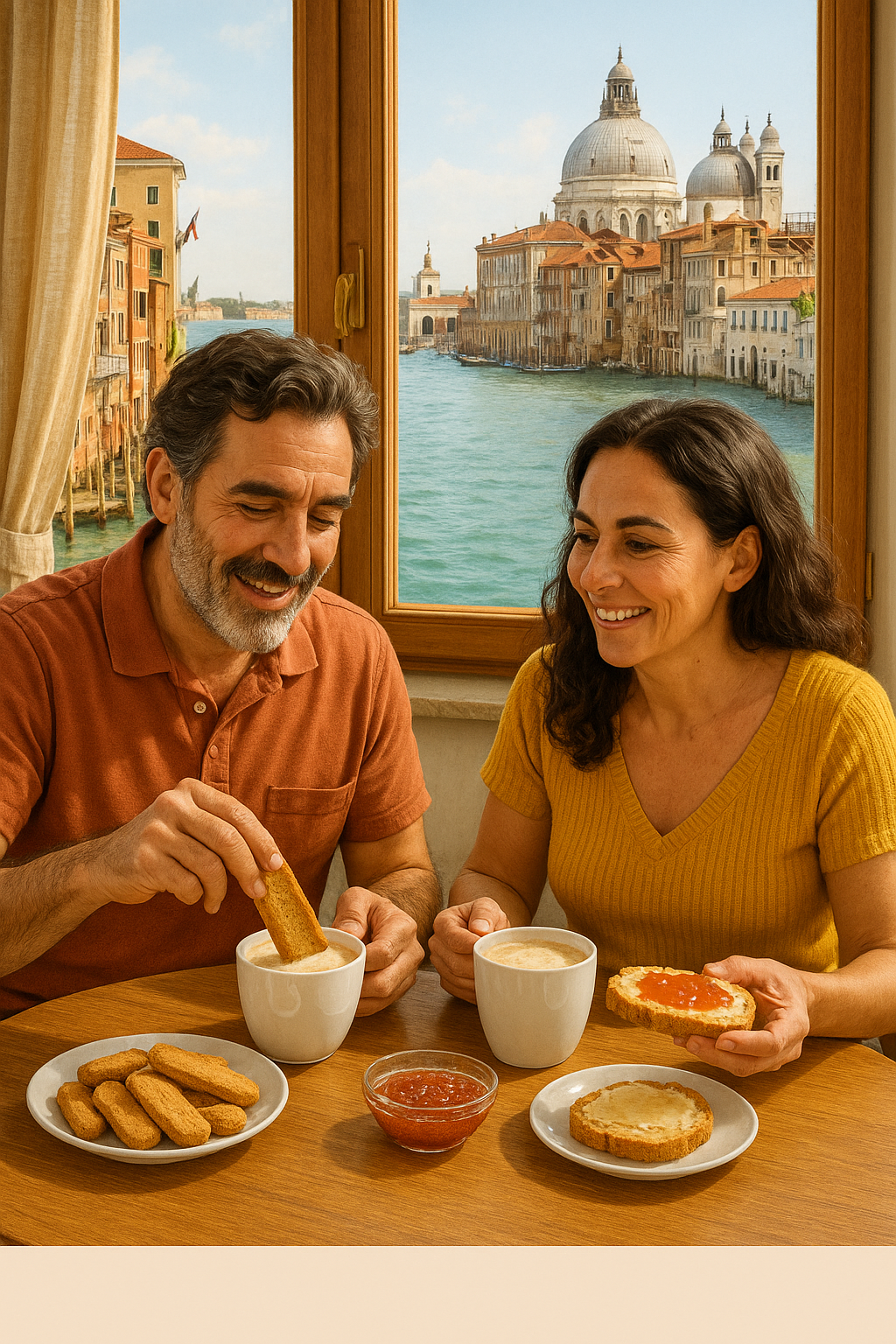
In a country where meals are celebrated as sacred rituals, where food is as much a marker of identity as it is nourishment, and where dining tables serve as stages for family history, politics, and laughter, there’s one culinary habit that consistently surprises outsiders: Italians begin their day with the lightest, simplest meal of all. A country that gives the world four-course feasts, opulent pasta sauces, and legendary wines is curiously restrained at the breakfast table. No eggs and bacon sizzling in a pan, no towering stacks of pancakes dripping with syrup, no elaborate spreads of cheese, smoked fish, or sausages. Instead, you’ll find a cornetto dusted with powdered sugar, a cappuccino or espresso steaming in a porcelain cup, and perhaps a slice of leftover ciambellone cake, eaten with the same casualness that Americans might eat toast.
This simplicity often puzzles travelers. How can a culture that invests so much passion and artistry in its food “settle” for such a light beginning? But to understand Italian breakfast—la colazione—is to understand Italy’s deeper philosophy of life. Breakfast here is not neglected, nor is it rushed in the sense of being unimportant. Rather, it is intentionally kept modest, designed to provide energy for the morning while leaving room for the meals that truly matter. Italians know that lunch and dinner are the heartbeats of the day, moments to pause, connect, and savor. Breakfast, by contrast, is a gentle prelude, a brief interlude before the real performance begins.
There is also a practical side. For centuries, Italians either skipped breakfast entirely or ate whatever was most accessible: a piece of bread dipped in wine, milk warmed with coffee, or a sweet treat left over from the night before. The arrival of coffee in the 17th century, and its gradual adoption as a national passion, transformed this habit into a ritual. The café culture that blossomed around espresso and cappuccino redefined mornings: breakfast became not just about food, but about rhythm, community, and pleasure condensed into a few minutes at the bar.
And then there’s something more subtle at play: a cultural instinct toward balance and moderation. Italians, unlike many cultures, don’t think of breakfast as the “most important meal of the day.” They think of the day itself as a balanced arc of meals and pauses, where no one moment dominates the rest. Sweetness in the morning provides a quick energy boost, but it also sets a tone of ease, delight, and small indulgence. Breakfast is not about fueling the body for eight hours of labor—it’s about waking up with something comforting and enjoyable before life’s more serious meals and duties arrive.
In other words, Italian breakfast is not small because Italians don’t care about it—it is small because Italians care so deeply about food as a whole. By keeping the morning light, they preserve appetite and anticipation for the main acts to come. And in that choice, we find not only a dietary pattern, but also a worldview: one that values balance over abundance, flavor over quantity, and the joy of ritual over the pressure of routine.
In the following sections, we’ll trace how Italian breakfast developed, what exactly Italians eat in the morning (both at home and at the bar), why savory options remain rare, and what these customs reveal about Italian culture as a whole. Along the way, you’ll see how even something as simple as dunking a biscotto into a cappuccino tells a story about Italian values, history, and the rhythm of daily life.
A Brief History of Italian Breakfast
The Late Arrival of Breakfast
Unlike in Northern Europe, where hearty breakfasts have long been seen as essential fuel for the day, Italians historically did not emphasize the morning meal. In fact, until the 19th century, many Italians skipped breakfast altogether. Peasants might have a piece of bread dipped in wine before heading to the fields, but the idea of a structured colazione came relatively late.
The Influence of Coffee
The turning point was coffee. Introduced to Europe through Venice in the 17th century, coffee quickly became a staple of Italian life. With it came the habit of a small morning ritual: a quick espresso, often paired with something sweet. This simple pairing formed the basis of the breakfast Italians still cherish today.
Industrialization and the Rise of the Cornetto
By the late 19th and early 20th centuries, with urban life and bakeries more widespread, pastries became common morning companions to coffee. The cornetto, Italy’s answer to the croissant, rose in popularity, filled with marmalade, custard, or Nutella. The idea of “sweet and light” breakfast was now firmly established.
Why Italian Breakfast Is Sweet and Light
1. A Cultural Attitude Toward Moderation
Italians believe in pacing their meals. Lunch is the true centerpiece of the day, traditionally multi-course and lasting longer than in many countries. Dinner is also meant to be shared, savored, and enjoyed. Breakfast, then, is deliberately light—just enough to get you going, but not so heavy that it spoils your appetite for the meals that matter most.
2. Sweetness as Energy
Sugar and carbohydrates provide quick energy, and Italians value efficiency in the morning. A sweet pastry and coffee deliver an immediate boost, fueling the walk to work or school.
3. The Coffee Ritual
More than food, breakfast is about coffee. Cappuccino in the morning, never after lunch; espresso standing at the bar on the way to work. Coffee dictates the rhythm of breakfast, and because coffee is best paired with something sweet, the entire meal skews in that direction.
4. Social and Practical Reasons
Breakfast in Italy is often eaten outside the home, standing at a bar for just a few euros. This practicality makes it light and quick, unlike the seated and abundant breakfasts common in Anglo-Saxon cultures.
The Typical Italian Breakfast Table
At Home
Caffè latte or cappuccino made with moka pot coffee and warm milk.
Biscuits (biscotti secchi), dipped directly into coffee.
Pane, burro e marmellata (bread with butter and jam).
Occasionally, cake (yes, cake!) left over from Sunday baking.
At the Bar
Espresso or cappuccino.
Cornetto (plain, or filled with chocolate, jam, or custard).
Sfogliatella in Naples, krapfen in the north, or other local pastries.
For Children
Hot milk with Nesquik or other cocoa powder.
Fette biscottate (crisp toasts) with jam or Nutella.
Packaged snacks, often marketed directly to school-age kids.
Regional Variations in Italian Breakfast
Italy’s breakfast is unified in its lightness, but regional differences still shine through:
Naples: Famous for the sfogliatella, a shell-shaped pastry filled with ricotta and semolina cream.
Sicily: In summer, breakfast might mean granita with brioche, an icy and refreshing start.
Northern Italy: Influences from Austria mean more croissant-like pastries and sometimes even savory options like ham sandwiches—though still rare in the morning.
Rome: The classic maritozzo, a sweet bun filled with whipped cream, is a decadent Roman specialty.
Why Savory Breakfasts Don’t Work in Italy
Ask an Italian if they’d like eggs and bacon for breakfast, and most will grimace. Savory foods feel too heavy for the morning, better suited for pranzo (lunch). Cheese, cured meats, and eggs—foods many foreigners associate with breakfast—are firmly placed later in the day in Italy. To eat them first thing in the morning feels, culturally, “wrong.”
Italians often joke that only tourists order omelets at 9 a.m. in Rome. For Italians, breakfast must be sweet, light, and unobtrusive—something that energizes without weighing you down.
What Italian Breakfast Reveals About Culture
Meals as Social Anchors: Breakfast is light because the real social anchors—lunch and dinner—are heavier, more meaningful gatherings.
Efficiency and Pleasure Combined: Italians don’t skip pleasure in the morning, but they keep it brief. Even a quick coffee and pastry must taste good.
The Philosophy of Balance: The Italian diet is not about extremes but about balance across the day. A sweet morning, a hearty midday, a convivial evening.
FAQs About Italian Breakfast
Q: Do Italians ever eat savory breakfasts?
A: Rarely. Savory foods like cheese, eggs, or cured meats are reserved for later in the day. Exceptions exist in tourist hotels, but locals stick to sweet options.
Q: Why don’t Italians drink cappuccino after 11 a.m.?
A: Milk-heavy drinks are seen as too heavy to consume after meals. Italians switch to espresso after the morning.
Q: Is it unhealthy to eat sweets every morning?
A: Italians balance their diet across the day. A light sweet breakfast is offset by fresh, balanced lunches and dinners.
Q: What’s the difference between cornetto and croissant?
A: The Italian cornetto is softer, sweeter, and sometimes flavored with citrus or vanilla, unlike the buttery French croissant.
Q: Do children eat the same breakfast as adults?
A: Children often eat simpler breakfasts: hot milk, fette biscottate with jam, or packaged snacks.
Q: Can I find a savory breakfast in Italy if I want one?
A: In hotels catering to international tourists, yes. In typical Italian bars, it will be very hard.
Q: Why do Italians sometimes eat cake for breakfast?
A: Homemade cakes, especially simple ones like ciambellone, are considered perfectly acceptable as a morning sweet.
Q: Is breakfast always eaten outside the home?
A: No, many Italians have breakfast at home, especially during the week. But weekend bar breakfasts are popular.
Conclusion
Italian breakfast is not about abundance but about rhythm. It’s quick, sweet, and light, designed to ease into the day without overshadowing the meals that follow. This approach reflects the Italian philosophy of moderation, pleasure, and balance—a philosophy that permeates all aspects of life.
If you’d like to dive deeper into Italian culture—not only through its food but also through its language—Polyglottist Language Academy offers engaging Italian classes for all levels. Learning Italian gives you access not just to grammar and vocabulary, but to the lived culture behind everyday rituals like colazione. Sign up today and bring a little dolce vita into your mornings.
Explore More from Our Blog
If you enjoyed this article, check out our other posts:
Why Italians Live With Their Parents Longer (And What It Says About Culture)
How Italians Really Eat Pasta (And The Rules Tourists Break)
How Italians Really Speak: Street Italian Vs. Textbook Italian
Italian Language Meets Italian Lifestyle: What You Can Only Learn On The Ground
Learning Italian In San Francisco: Best Places, Classes, And Meetups