
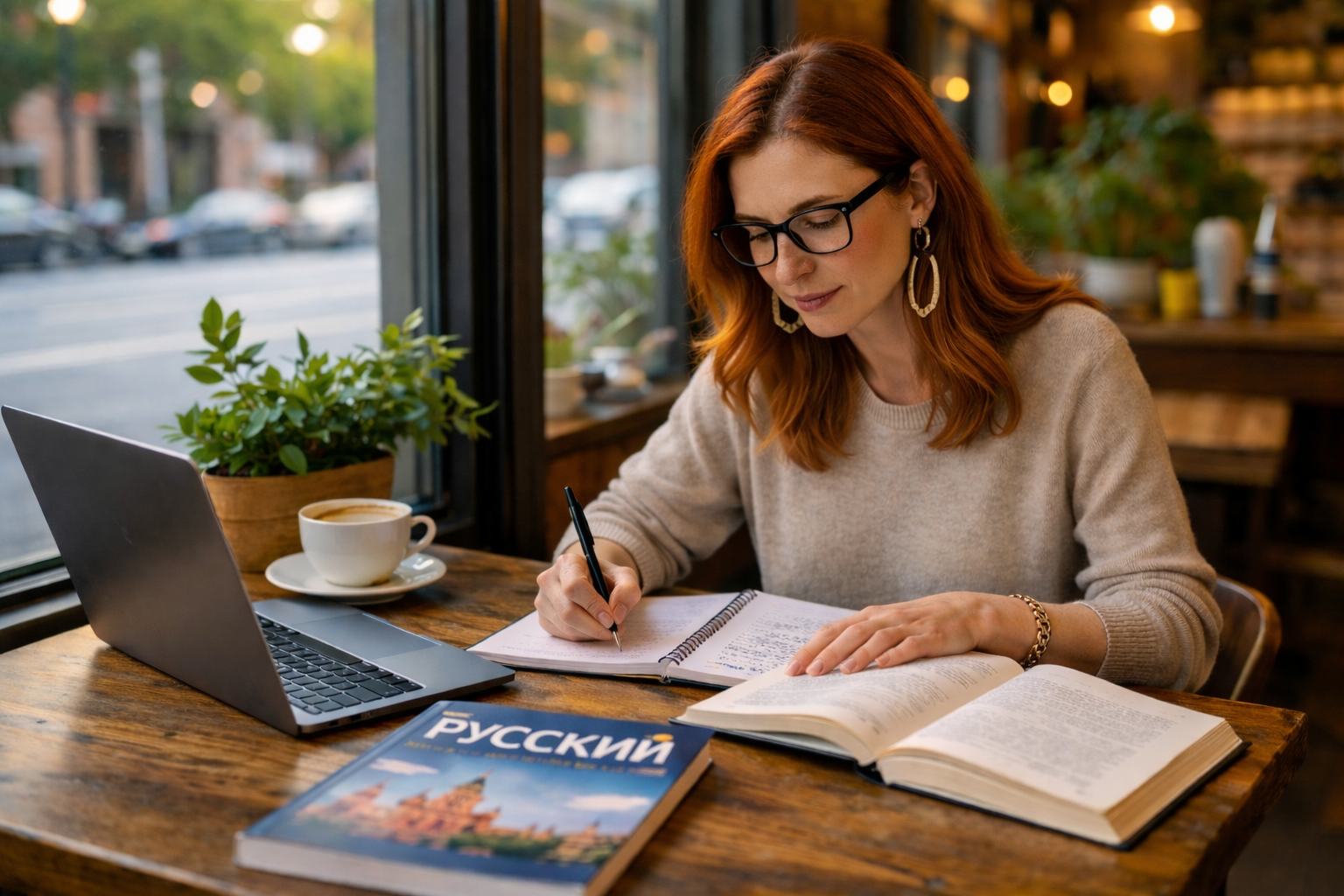
In a city where innovation, global collaboration, and intellectual curiosity intersect on a daily basis — where conversations move effortlessly between cultures, industries, and ideas — it is not surprising that more adults in San Francisco are choosing to learn Russian, a language that opens doors not only to one of the world’s richest literary and cultural traditions but also to complex histories, global perspectives, and meaningful human connections that few other languages offer with the same depth and intensity.
Russian may not be the first language people associate with California, yet in San Francisco it has quietly become one of the most fascinating and rewarding languages adults choose to study. Professionals working in technology, international business, academia, diplomacy, arts, and research increasingly recognize that learning Russian is not merely about communication — it is about understanding a worldview shaped by literature, philosophy, science, and cultural nuance.
At the same time, many learners arrive for deeply personal reasons: fascination with Russian novels, family heritage, travel ambitions, intellectual challenge, or the desire to step outside familiar linguistic patterns and experience thinking differently.
But once curiosity turns into commitment, a practical question emerges:
Where can adults find the best Russian classes in San Francisco — classes that actually lead to real progress?
This complete 2026 guide explores everything you need to know before choosing a Russian course, including teaching methods, learning formats, realistic expectations, and how to identify programs that truly help adult learners succeed.
Why Adults in San Francisco Are Learning Russian
Unlike students learning languages for academic requirements, adult learners bring intentional motivation. In San Francisco, that motivation often reflects the city’s international outlook.
1. Intellectual Curiosity
Russian is widely considered one of the most intellectually rewarding languages to learn. Its structure challenges English-speaking learners to rethink grammar, meaning, and expression.
Many adults are drawn by:
Russian literature (Tolstoy, Dostoevsky, Bulgakov)
Film and theater traditions
Philosophy and cultural history
Linguistic complexity
Learning Russian becomes a form of mental expansion.
2. Professional and Academic Interests
San Francisco professionals working in global industries often benefit from Russian language skills, especially in:
technology collaboration
finance and analytics
international research
geopolitical analysis
academia
Even basic proficiency demonstrates cultural competence and analytical dedication.
3. Heritage and Family Connections
Many Bay Area residents have Eastern European or Russian-speaking family backgrounds and want to reconnect with heritage through language.
Adult classes provide a supportive environment for rebuilding linguistic identity.
4. The Appeal of Challenge
Unlike languages closely related to English, Russian offers a genuine intellectual challenge — something many adult learners actively seek.
Mastering a complex system creates a strong sense of achievement.
Is Russian Difficult for Adults?
Russian has a reputation for difficulty, but the reality is more nuanced.
What Makes Russian Challenging
Cyrillic alphabet
Case system
Verb aspects
Flexible word order
What Makes Russian Surprisingly Logical
Phonetic spelling
Clear pronunciation rules
Structured grammar patterns
Predictable sentence logic
With strong instruction, beginners often read Russian within weeks.
The key variable is not difficulty — it is teaching quality.
What Adult Learners Need (That Many Classes Miss)
Adults learn differently from children. Successful Russian programs recognize this.
Adults Need Explanation, Not Memorization
Understanding why grammar works accelerates learning.
Adults Need Psychological Safety
Fear of mistakes slows progress. Supportive environments build confidence.
Adults Need Structure
Clear progression prevents overwhelm.
Types of Russian Classes in San Francisco
San Francisco offers several learning paths.
University Programs
Pros
Academic rigor
Structured curriculum
Cons
Larger classes
Limited speaking time
Restricted access
Often designed for degree students rather than working adults.
Private Tutors
Pros
Personalized instruction
Flexible pacing
Cons
Expensive
Less social motivation
Variable teaching quality
Online Self-Study Platforms
Useful supplements but rarely sufficient alone.
Apps cannot provide corrective feedback or conversational dynamics.
Specialized Language Schools
Often the most effective option for adults because they combine:
professional instruction
small groups
structured curriculum
interactive learning
What Makes the Best Russian Classes for Adults
Small Groups
More speaking time equals faster progress.
Professional Teachers
Teaching beginners requires training in linguistics and pedagogy — not just native fluency.
Step-by-Step Progression
Clear levels prevent frustration.
Communication From Day One
Students begin speaking early, even with limited vocabulary.
How Long Does It Take to Learn Russian?
Typical adult timeline:
3 months: alphabet + basic sentences
6 months: everyday interactions
12 months: conversational ability
2–3 years: advanced fluency
Consistency matters far more than intensity.
Common Mistakes Russian Learners Make
Waiting Too Long to Speak
Speaking early accelerates retention.
Overusing Apps
Apps reinforce vocabulary but not communication.
Choosing Classes Without Methodology
Structure determines success.
Studying Alone
Community increases persistence.
Why San Francisco Is an Ideal Place to Learn Russian
San Francisco attracts globally minded individuals who value intellectual exploration. Language learning fits naturally into this culture.
Learners often combine classes with:
literature discussion groups
cultural events
international communities
travel preparation
The city supports lifelong learning.
The Social Dimension of Language Learning
Many students discover unexpected benefits:
meeting intellectually curious peers
building weekly routines
expanding social networks
gaining confidence
Language classrooms become communities.
A Unique Approach: Polyglottist Language Academy
Polyglottist Language Academy was founded on a simple but powerful idea: serious language education should not be limited to university enrollment.
The school began when a UC Berkeley graduate student, after studying multiple languages in rigorous academic programs, realized the wider community lacked a place where people could learn languages together in an intellectually engaging and social environment.
At UC Berkeley, language courses are primarily available only to enrolled students. Polyglottist Language Academy was created to open that same academic level of language learning to the public — allowing anyone, regardless of background, to study languages seriously and connect with fellow learners.
Founded in 2014, the academy initially invited graduate students from various language departments to teach courses. What began as a small academic initiative quickly grew into a vibrant language community.
Today, Polyglottist Language Academy offers both in-person and online Russian classes taught by highly qualified instructors who specialize in language education.
Our teachers have extensive academic backgrounds in:
linguistics
literature
language acquisition
pedagogy
A common misconception is that native speakers automatically make effective teachers. In reality, teaching beginners requires deep pedagogical knowledge — the ability to explain grammar clearly, anticipate learning challenges, and build confidence step by step.
Many native speakers can offer conversation practice, but guiding beginners successfully requires professional training.
At Polyglottist Language Academy, students benefit from structured learning, small-group interaction, and supportive instruction designed specifically for adult learners.
Frequently Asked Questions (FAQs)
Is Russian too hard for beginners?
No. With structured instruction, beginners quickly learn reading and basic conversation.
How often should I study?
Two classes per week plus light review is ideal.
Can adults really become fluent?
Yes. Adult learners often progress faster due to motivation and analytical skills.
Do I need to learn the alphabet first?
Good courses teach the alphabet naturally within early lessons.
Are online Russian classes effective?
Live online classes with expert instructors can be highly effective.
How long before I can travel using Russian?
Many learners manage basic travel conversations after 6–8 months.
Is group learning better than private lessons?
Group classes often improve speaking confidence and motivation.
What age groups take Russian classes?
Adult learners of all ages participate successfully.
Start Learning Russian in San Francisco
If you are searching for the best Russian classes in San Francisco for adults, the most important decision is choosing an environment that combines intellectual rigor with supportive teaching.
Polyglottist Language Academy offers Russian classes designed specifically for adult learners who want meaningful progress, not memorization without communication. Our expert instructors, small-group format, and structured curriculum help students move confidently from beginner to conversational speaker.
Whether your interest comes from literature, travel, professional development, or pure curiosity, we invite you to join our learning community.
👉 Explore our Russian classes and sign up today at Polyglottist Language Academy to begin your language journey.
Continue Reading
You may also enjoy these articles: