
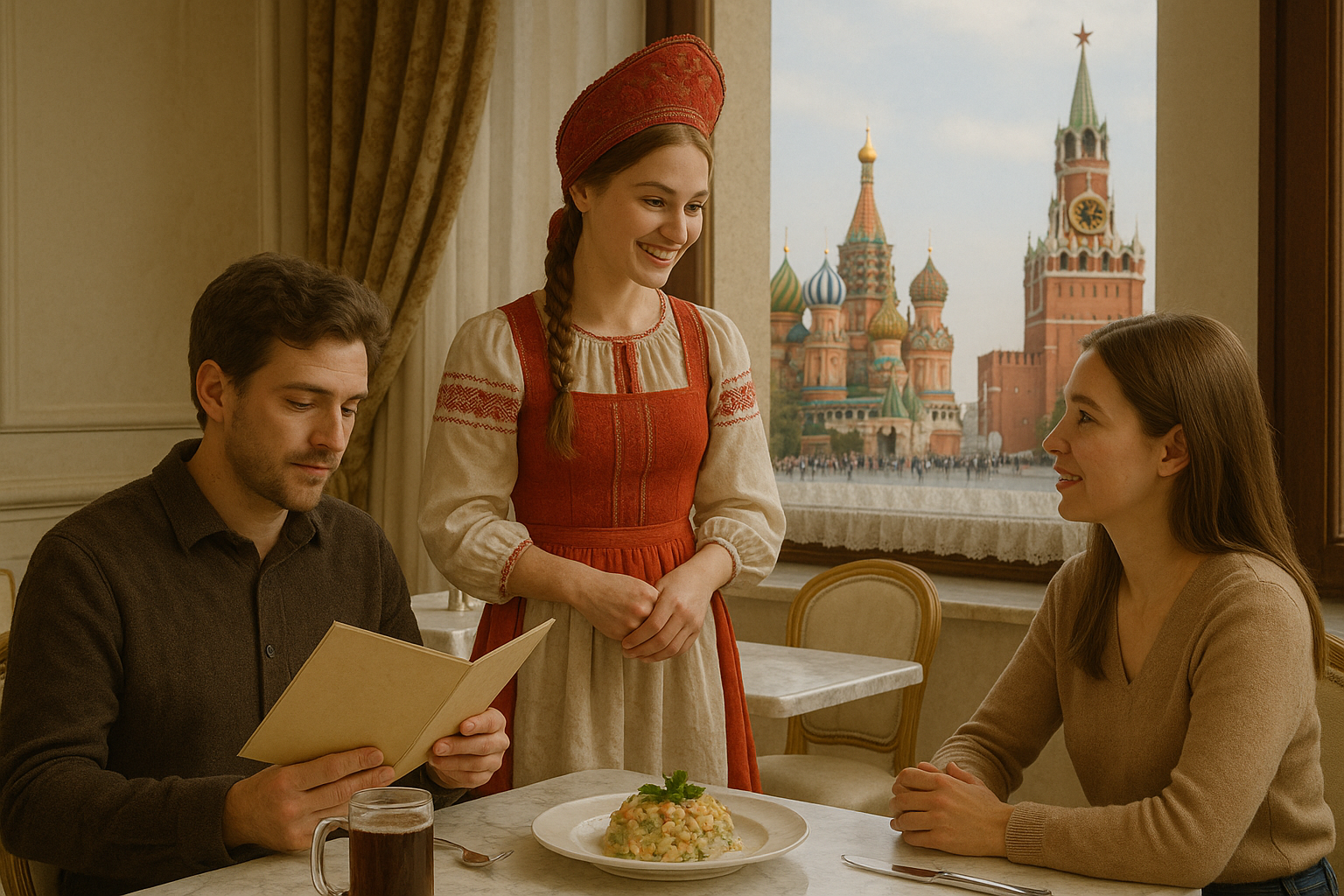
Navigating a Russian menu for the first time can feel like trying to read a secret code: the Cyrillic alphabet, unfamiliar dishes, cultural references, and long compound words that seem to defy translation. Even seasoned travelers can find themselves pointing randomly at items, hoping for something edible—and not realizing they just ordered jellied tongue with horseradish. But behind the mystery lies a rich culinary tradition that’s well worth decoding. Russian menus aren’t just lists of food—they’re windows into a culture shaped by geography, history, hospitality, and seasonal living.
Whether you're sitting in a cozy stolovaya in a Siberian town, a fancy restaurant in St. Petersburg, or browsing the chalkboard of a hip Moscow café, being able to read and understand a Russian menu opens the door to a much more meaningful and enjoyable food experience. You’ll discover dishes you didn’t know existed, avoid culinary surprises, and—perhaps most importantly—gain a deeper appreciation for how Russians eat, think, and connect over meals.
In this article, we’ll walk you through how to crack the code of authentic Russian menus. You’ll learn to recognize key categories, master essential vocabulary, identify cultural cues, and avoid common pitfalls. Whether you're a traveler, language learner, or food lover, this guide will turn confusion into confidence.
PART 1: UNDERSTANDING THE MENU STRUCTURE
Before diving into the individual words, it’s helpful to understand how most Russian menus are organized. Russian meals follow a relatively structured format that reflects tradition, Soviet-era habits, and a love for hearty, home-style cooking.
Here are the typical sections you’ll see:
1. Закуски (Appetizers or Starters)
This section can include:
Cold salads like Оливье or Винегрет
Pickled vegetables (соленья)
Cold meats or fish (селёдка под шубой, язык)
Pirozhki or other pastries
Cheese plates and canapés
2. Супы (Soups)
Soup is essential to Russian cuisine. Expect to see:
Борщ (beet soup with beef and sour cream)
Щи (cabbage soup)
Солянка (hearty soup with pickles and sausage)
Уха (fish soup)
Окрошка (cold summer soup made with kvass or kefir)
3. Горячие блюда (Hot Dishes or Mains)
This is the entrée section:
Котлеты (meat patties)
Пельмени (dumplings)
Голубцы (stuffed cabbage rolls)
Бефстроганов (beef stroganoff)
Блины (stuffed crepes)
4. Гарниры (Side Dishes)
Usually served with mains:
Гречка (buckwheat)
Картофельное пюре (mashed potatoes)
Рис (rice)
Овощи на пару (steamed vegetables)
5. Десерты (Desserts)
Look for:
Медовик (honey cake)
Сметанник (sour cream cake)
Вареники с вишней (sweet cherry dumplings)
Мороженое (ice cream)
6. Напитки (Drinks)
Common choices include:
Компот (fruit drink)
Квас (fermented bread drink)
Чай (tea)
Кофе (coffee)
Alcohol: пиво (beer), вино (wine), водка
PART 2: MASTERING KEY VOCABULARY
Here’s a list of useful menu words you’re likely to encounter:
Russian Translation Notes
мясо meat Often includes pork unless specified
курица chicken May also appear as цыплёнок
говядина beef Used in soups and stroganoff
рыба fish Fresh water and salt water varieties
свинина pork Often found in sausages or cutlets
яйца eggs Common in salads and breakfast dishes
грибы mushrooms Popular in sauces and fillings
сметана sour cream Served with soups, pancakes, and more
майонез mayonnaise Ubiquitous in salads
капуста cabbage Essential to many soups and sides
Learning to recognize these words gives you a huge head start—and can prevent unexpected surprises (like ordering liver when you were hoping for chicken).
PART 3: DISHES TO LOOK FOR (AND LOVE)
Let’s break down a few standout menu items you’ll definitely want to try:
Оливье
A cold potato salad with diced vegetables, eggs, bologna, and mayonnaise. A Russian holiday classic. Think of it as the Russian cousin to American potato salad—but heavier on the mayo.
Селёдка под шубой
Literally “herring under a fur coat”—layers of herring, potato, beets, carrots, onions, and mayonnaise. It’s weird, it’s beautiful, and it’s a rite of passage.
Пельмени
Siberian meat dumplings, boiled and often served with butter or sour cream. Comfort food at its best.
Блины с икрой
Thin pancakes with red or black caviar. Luxurious, salty, and traditionally served during Maslenitsa (Butter Week).
Солянка
A tangy soup made with cured meats, olives, pickles, and lemon. Salty, savory, and deeply warming.
PART 4: WATCH OUT FOR THESE SURPRISES
Russian cuisine is full of delightful surprises—but some might take you off guard if you don’t know what you’re ordering.
Язык (Tongue)
Usually beef tongue, served cold in slices or warm with horseradish. Popular and considered a delicacy.
Холодец (Aspic)
Meat jelly. Yes, really. This is jellied meat broth with chunks of meat, typically beef or pork. Russians love it; many foreigners don’t.
Печень
Liver—can be pork, chicken, or beef. Often fried with onions.
Сало
Cured fatback—raw pork fat, sometimes smoked or seasoned. Eaten on rye bread with garlic or pickles. Very Slavic.
PART 5: UNDERSTANDING MENU LANGUAGE AND TONE
Menus in Russia are often very straightforward, but some phrases signal preparation style:
по-домашнему – “home-style”
по-деревенски – “country-style”
жареный / жареная – fried
тушёный / тушёная – stewed
копчёный / копчёная – smoked
запечённый / запечённая – baked
сметанный соус – sour cream sauce
острый – spicy (though rarely very spicy)
осторожно: острое! – caution: spicy!
Paying attention to these words will help you know not just what you’re ordering—but how it’s made.
PART 6: HACKS FOR READING A MENU ON THE SPOT
✅ Learn the alphabet
Even a rough knowledge of Cyrillic will help you recognize words and sound them out.
✅ Look for familiar roots
Words like курица (chicken) or картофель (potato) show up often.
✅ Ask the waiter: “Что Вы рекомендуете?”
This means “What do you recommend?” It’s polite and often results in a better meal than guessing.
✅ Use Google Translate—wisely
Use your camera to scan the menu, but don’t rely 100% on it. Some dishes have no good translation and are better understood with a bit of cultural knowledge.
PART 7: TIPPING & PAYMENT CULTURE
Tipping in restaurants is customary, usually 10%, but not always included.
In very local places (stolovaya or bufet), tipping isn’t expected.
Always check if the bill includes обслуживание включено (service included).
FAQs: DECODING RUSSIAN MENUS
Q: Are all Russian menus in Cyrillic?
A: In touristy areas, some may include English translations, but most local places use only Cyrillic. Learning to read basic Russian really helps.
Q: What if I have dietary restrictions?
A: It can be tricky. Learn phrases like Я не ем мясо (I don’t eat meat) or У меня аллергия на орехи (I’m allergic to nuts), and be clear.
Q: Are vegetarian or vegan options common?
A: They're growing in popularity, especially in Moscow and St. Petersburg, but traditional menus often assume meat and dairy. Look for вегетарианское меню or ask staff.
Q: Can I ask for substitutions or modifications?
A: In casual places, not usually. In higher-end restaurants, yes—but be polite and use formal language.
Q: What’s the best way to try lots of Russian dishes?
A: Go to a столовая (cafeteria-style diner) or join a food tour. Buffets are common and affordable—and you can sample many dishes.
Ready to Decode More Than Just Menus?
At Polyglottist Language Academy, we go beyond grammar drills and vocabulary lists. Our Russian classes help you experience the language in real contexts—like navigating restaurants, markets, and daily life in Russia.
Whether you're preparing for travel, business, or just love Russian food and culture, our expert teachers will help you build real-life language skills that stick.
👉 Sign up today for our Russian classes—and learn how to read, order, and live Russian.
Bon appétit—or as they say in Russia: Приятного аппетита!
.Want to explore more about Russian language and culture?
Check out our full collection of articles on the Polyglottist Language Academy Blog, where we dive into everything from why fluent Russian isn’t fast Russian to how to survive a Russian toast and what it’s like to be the only foreigner in a Russian dacha community. Whether you're curious about grammar tips, cultural faux pas, or how Russians navigate public space, our blog offers fresh, engaging insights to support your learning journey.