
Is Dostoevsky Overrated? A Closer Look at His Genius
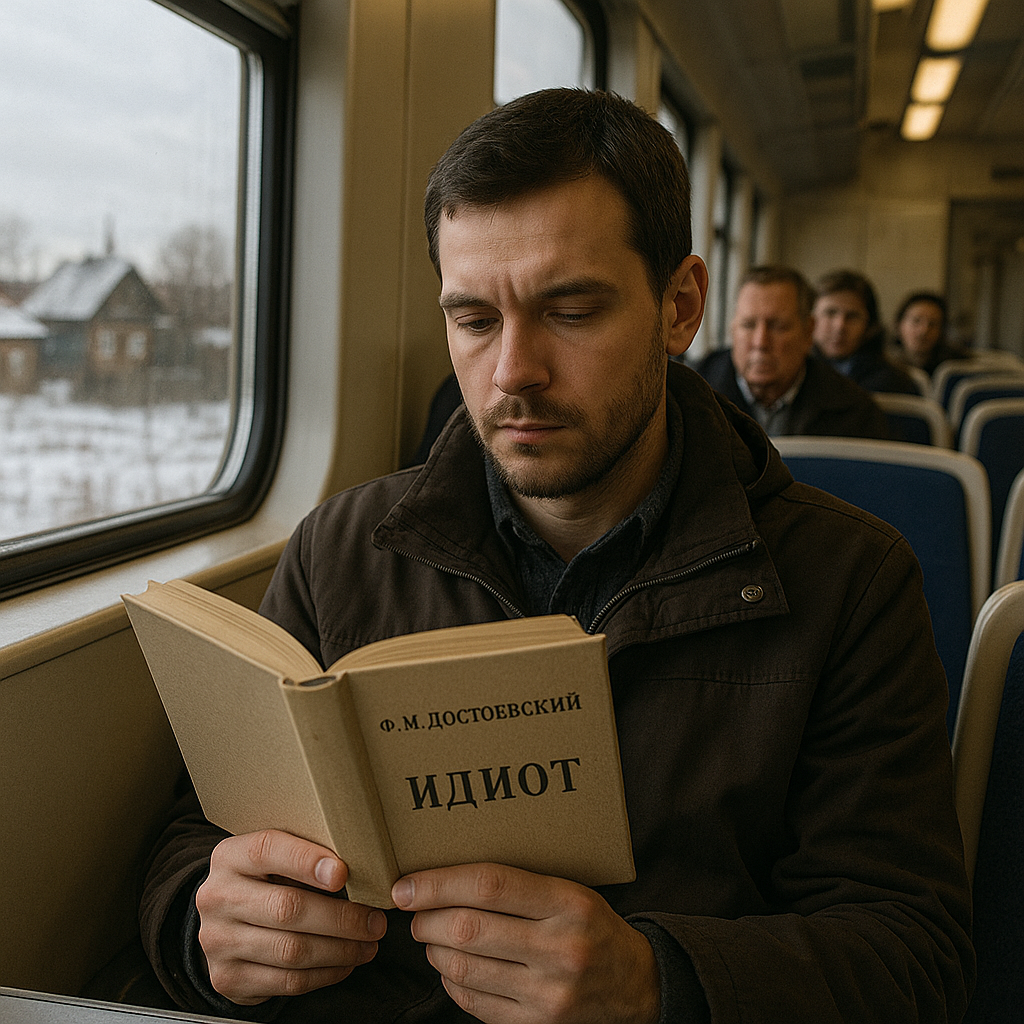
Is Dostoevsky overrated—or a misunderstood genius? Explore his legacy, criticisms, and enduring influence in this deep dive into his greatest works.
Few writers stir such divided opinion, decades after their death, as Fyodor Dostoevsky. To some, he is a towering literary prophet—a master of psychological insight, moral philosophy, and spiritual depth. To others, he is overwritten, melodramatic, and dense, his plots bloated with suffering and theological digressions. His name appears alongside Shakespeare, Tolstoy, and Kafka on lists of literary greats, yet his books remain the kind that many people buy and few actually finish. So the question lingers: is Dostoevsky truly one of the greatest writers of all time—or is he, dare we say it, overrated?
This question isn’t just a matter of taste. It strikes at the heart of what we believe literature should do. Should it be clear, elegant, and tightly plotted? Or should it wrestle with eternal human problems, however messy the result? Dostoevsky does not write for comfort, and he rarely offers closure. His novels are riddled with contradictions and characters who speak in fevered, frantic monologues. His narratives often unravel more than they resolve. Yet despite—or perhaps because of—this, his influence reaches across disciplines, from theology and psychology to modern politics and literature.
The debate about Dostoevsky is also a debate about depth: how much philosophical content should a novel bear before it becomes unreadable to most? His fans point to the richness of his work: Dostoevsky anticipated existentialism, dissected the fractured human psyche long before Freud, and explored the spiritual vacuum left by the decline of religion. His critics, meanwhile, accuse him of verbosity, moralizing, and a taste for the grotesque. Even Vladimir Nabokov, another Russian literary titan, dismissed Dostoevsky’s style and called his characters “flat.”
And yet, century after century, readers continue to return to Dostoevsky—often during their most searching moments. His stories appeal to those who are confronting life’s bigger questions: guilt, redemption, the nature of evil, and the search for meaning. So let’s dive deep into the legacy of Fyodor Dostoevsky. We’ll explore the criticisms and the accolades, the flaws and the brilliance, and try to answer the question honestly: is Dostoevsky overrated, or is his genius simply too raw to be comfortable?
Is Dostoevsky Really One of the Greatest Writers?
Dostoevsky’s name appears on nearly every list of “must-read classic authors,” often alongside Tolstoy, Shakespeare, and Kafka. But while many praise his work, few would call his novels easy or elegant.
Why Some Readers Think He’s Overrated
Let’s start with the case against Dostoevsky:
His prose is chaotic. His paragraphs ramble, his characters deliver page-long monologues, and his pacing is erratic.
His characters are exaggerated. They speak like vessels for ideology rather than people you’d meet in real life.
He moralizes. Many readers feel overwhelmed by the heavy religious and philosophical themes.
He repeats ideas. Some of his novels, like The Idiot or Demons, feel unfocused or bloated.
Why Others Consider Him a Genius
Despite all that, many scholars, writers, and readers consider Dostoevsky’s flaws a feature, not a bug.
His characters are symbolic. They represent worldviews, ideologies, and inner conflicts—not mere individuals.
His themes are timeless. Guilt, morality, God, free will, and the meaning of suffering—these are eternal human questions.
He predicted future thought. His work anticipated psychology, existentialism, and even modern political radicalism.
His writing feels raw. It’s not polished, but it burns with intensity. He didn’t write to please—he wrote to provoke.
Dostoevsky’s Writing Style: Messy or Masterful?
One of the most frequent criticisms of Dostoevsky is his writing style. Compared to Tolstoy’s realism or Chekhov’s minimalism, Dostoevsky can feel loud, uneven, and even hysterical.
Vladimir Nabokov's Harsh Review
Famous Russian-American novelist Vladimir Nabokov famously hated Dostoevsky’s writing. He accused him of creating flat characters and clumsy plots. Nabokov preferred the elegance of style to the weight of ideas.
But Dostoevsky was writing for a different purpose. He wanted his readers to experience internal conflict, spiritual struggle, and moral pain—not to admire polished prose.
The Case for Dostoevsky’s Style
When you read Notes from Underground or The Brothers Karamazov, you’re entering a fevered mind. The disorganized, breathless style mirrors the psychological chaos of his characters.
Modern readers may find it difficult—but that difficulty is intentional.
Dostoevsky and the Invention of Psychological Fiction
One of Dostoevsky’s greatest contributions to literature is his deep psychological insight.
Before Freud, There Was Raskolnikov
In Crime and Punishment, Raskolnikov commits a murder not out of passion, but out of ideology. He believes in a theory—and then breaks under the weight of it. This is not a story about crime; it’s a study of guilt, conscience, and the collapse of rationalism.
Dostoevsky was exploring the fractured human mind before psychology was even a field of study.
Characters as Case Studies
The Underground Man is a portrait of modern alienation and resentment.
Ivan Karamazov is the modern atheist philosopher tormented by the problem of evil.
Prince Myshkin is a “perfectly good man” who is crushed by a society that doesn’t know how to handle goodness.
These aren’t just characters—they’re ideas in human form.
Philosophy and Faith in Dostoevsky’s Work
Dostoevsky didn’t shy away from hard questions. He dove into the most painful subjects—suffering, the existence of God, morality without religion—and he never settled for easy answers.
The Problem of Evil
In The Brothers Karamazov, Ivan delivers a devastating argument against the idea of a just God. He doesn’t reject God because of logic—he rejects God because of injustice, especially the suffering of innocent children.
Dostoevsky didn’t try to solve this problem. Instead, he gave it full weight. His novels often end in ambiguity, leaving the reader unsettled—but more thoughtful.
Redemption Through Suffering
One of Dostoevsky’s most controversial themes is that suffering can lead to spiritual rebirth. In Crime and Punishment, Raskolnikov finds salvation only after humiliation and pain. In The Idiot, Prince Myshkin suffers for the sake of others.
This doesn’t mean Dostoevsky glorified suffering—but he believed it could lead to transformation.
Dostoevsky’s Influence on Modern Thought
Whether you love or hate Dostoevsky, his influence is undeniable.
Philosophers and Psychologists
Nietzsche called Dostoevsky “the only psychologist from whom I have anything to learn.”
Freud analyzed Dostoevsky’s epilepsy and used his characters to explore guilt and repression.
Camus and Sartre saw him as a proto-existentialist, tackling absurdity, despair, and freedom.
Filmmakers and Novelists
Dostoevsky’s fingerprints are all over modern film and literature. Works like Taxi Driver, Joker, and Breaking Bad owe a debt to Dostoevskian antiheroes: tortured, isolated, morally conflicted men spiraling out of control.
Is Dostoevsky Overrated or Just Misunderstood?
After exploring both the critiques and the enduring legacy of Dostoevsky, we can return to the central question: Is Dostoevsky overrated?
If you're looking for literary beauty, elegant prose, or tightly plotted stories—he may not be for you.
But if you want literature that asks the big questions, that wrestles with guilt, morality, faith, and freedom—then Dostoevsky may be not only relevant, but essential.
He’s not an easy writer. He’s not always enjoyable. But he leaves you changed.
FAQs: Dostoevsky for Beginners
What is Dostoevsky best known for?
He’s best known for Crime and Punishment, The Brothers Karamazov, and Notes from Underground, all of which explore psychology, morality, and religion.
Why is Dostoevsky so hard to read?
His novels are long, filled with philosophical dialogue, and use complex sentence structures. They're also emotionally and intellectually demanding.
What was Dostoevsky’s philosophy?
He believed in the struggle between good and evil, the spiritual power of suffering, and the importance of free will. He also explored the consequences of nihilism and atheism.
What Dostoevsky book should I read first?
Start with Crime and Punishment for plot and character. If you're short on time, Notes from Underground is a powerful short novel that introduces key themes.
Is Dostoevsky still relevant today?
Yes. His themes—identity, alienation, morality, radicalism—resonate more than ever in today’s world of social fragmentation and existential anxiety.
Learn Russian and Read Dostoevsky in the Original
At Polyglottist Language Academy, we believe that reading authors like Dostoevsky is not just a literary experience—it’s a linguistic and cultural one. That’s why we offer online Russian classes for students at every level.
Whether you’re a complete beginner or want to read Russian novels in the original, our experienced instructors can help you master the language and understand the cultural depth behind the words.
Ready to explore Russian literature from the inside out?
👉 Sign up for Russian classes with us today!
Want to explore more about Russian language and culture?
Check out our full collection of articles on the Polyglottist Language Academy Blog, where we dive into everything from why fluent Russian isn’t fast Russian to how to survive a Russian toast and what it’s like to be the only foreigner in a Russian dacha community. Whether you're curious about grammar tips, cultural faux pas, or how Russians navigate public space, our blog offers fresh, engaging insights to support your learning journey.