
What It’s Like to Be a Foreigner at a French Family Dinner
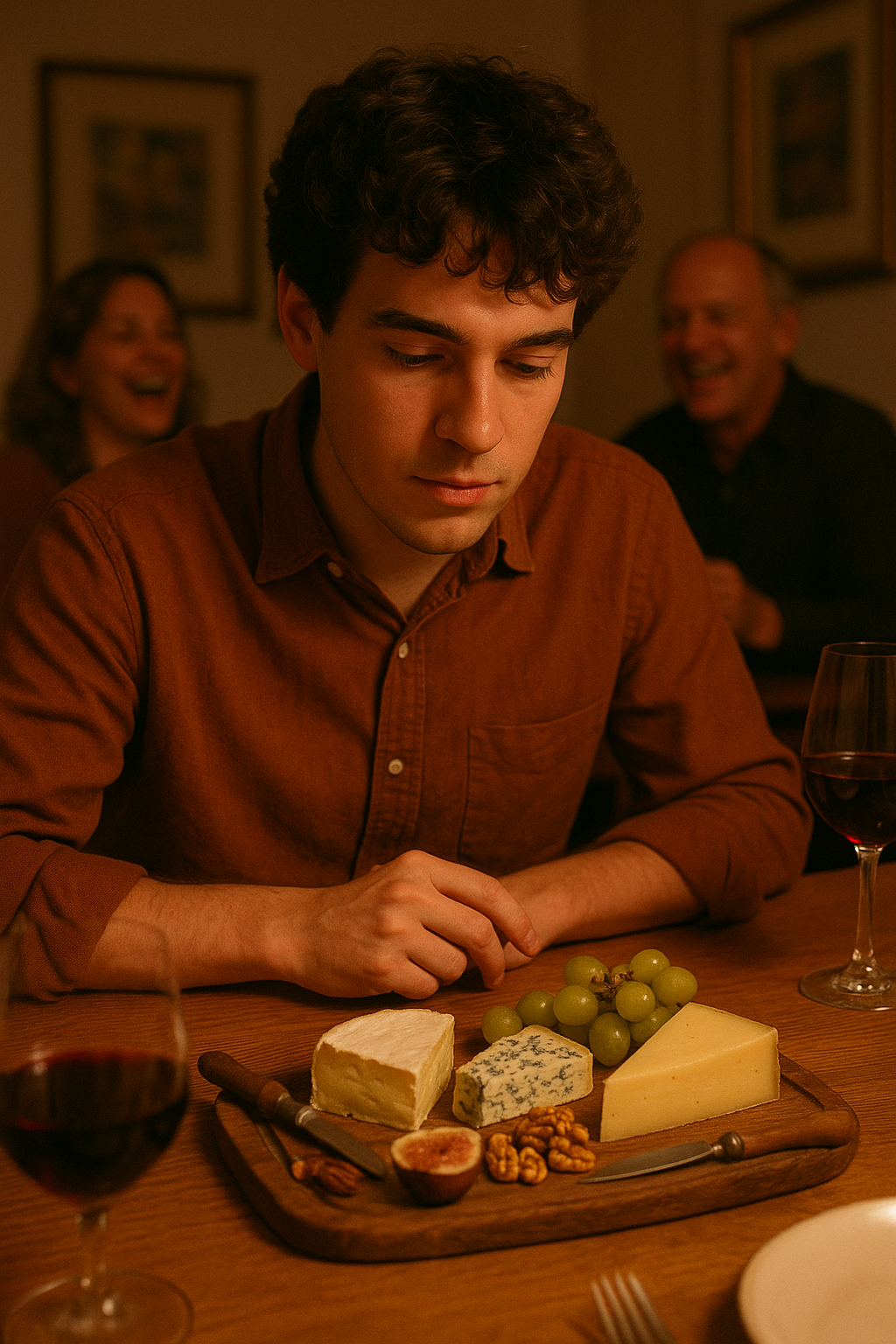
Introduction: A Table Set for Discovery
Picture this: it’s Sunday afternoon in a sun-drenched French village. You’re standing nervously outside a charming stone house, clutching a bottle of wine or a box of pastries you’ve brought as a polite gesture.
Inside, a lively family gathering is underway. Through the open windows, you hear bursts of laughter, rapid French conversation, the clinking of cutlery, and the irresistible aroma of roasted chicken, garlic, and buttery sauces.
You’re about to step into one of the most intimate—and revealing—rituals of French culture: the family dinner.
For a foreigner, this moment can feel like crossing into a different world. The food is exquisite, yes, but it’s not just about taste. It’s about rules, rhythm, conversation, humor, social codes—and sometimes subtle traps for the unwary.
Will you greet everyone with a kiss on each cheek or just a handshake? Is it polite to ask for more bread… or does that look greedy? Should you jump into the political debate happening across the table or keep silent? And when, oh when, will dinner finally end?
A French family dinner is more than a meal. It’s a performance, a ritual, a social battlefield—and one of the most fascinating ways to understand the French mindset.
Whether you’re a language learner, an expat, a traveler, or simply a lover of French culture, knowing what to expect at such a dinner can save you from awkward moments—and help you enjoy one of the most authentic experiences France has to offer.
In this article, we’ll explore:
✅ What actually happens at a typical French family dinner
✅ Unspoken rules that can surprise foreigners
✅ French conversational habits and humor
✅ Common faux pas to avoid
✅ How to survive—and even thrive—at the table
So pull up a chair, pour yourself a glass of wine, and let’s dive into the world of French family dining—a place where language, culture, and the art of living collide.
The Anatomy of a French Family Dinner
French dinners are not just meals; they’re events. Let’s break down what you can expect.
1. The Long Arrival
Unlike Anglo-Saxon cultures, where you often arrive and sit down immediately, the French linger in the entrance:
Kisses (two, sometimes four, depending on region)
Warm greetings and polite inquiries about health, work, family
Coats removed and hung carefully
2. The Apéritif
Before sitting at the table, there’s usually an apéritif:
Drinks: champagne, Kir (white wine + crème de cassis), pastis, wine
Small nibbles: olives, peanuts, savory pastries
It’s casual yet significant. This is your first chance to integrate into the group.
3. The Table Ritual
French tables are often formally set:
Multiple glasses (water, wine, sometimes champagne)
Several courses
Bread placed directly on the tablecloth, not on a bread plate
Cheese knife always facing away from the cheese
4. Multiple Courses
A typical meal might include:
Entrée (starter) – e.g., pâté, salad, terrine
Plat principal (main) – e.g., roast meat, fish, vegetables
Cheese course – several cheeses passed around
Dessert – tarts, fruit, mousse au chocolat
Coffee – usually black
Digestif – liqueurs like Cognac or Armagnac
5. The Conversation
Dinner is punctuated by conversation, which ranges from:
Politics
Economy
Literature
Family gossip
Cultural debates
It’s lively, sometimes loud, and often intellectual. Silence is rare.
6. The Unhurried Goodbye
Even after coffee, guests linger:
Another drink
More conversation
“Le quart d’heure lorrain”—an extra 15 minutes of chatting after saying goodbye
A French dinner can easily last four or five hours.
The French Mindset on Display
Let’s explore the deeper cultural traits revealed around the dinner table.
Politesse (Politeness)
Politeness in France is both genuine and ritualized. You’ll hear:
Ça va ? (How are you?)
Ça fait longtemps ! (It’s been a while!)
Merci beaucoup. (Thank you very much.)
Manners matter, but there’s also a playful side. French humor often uses irony, understatement, or playful teasing.
Debate as Connection
To a foreigner, French dinner talk can seem like arguing. But passionate debate is often a sign of affection and engagement. Disagreement doesn’t mean people are angry—it means they’re interested.
The Art of Conversation
French conversations avoid small talk after initial greetings. Instead, topics get deep quickly:
Philosophy
National politics
Cultural references
Regional identity
Showing curiosity and sharing thoughtful opinions is valued.
Pace of Life
Meals are never rushed. A long dinner is a declaration that:
Food deserves respect.
Company matters.
Life should be savored.
Common Cultural Surprises for Foreigners
Timing
Dinner may start at 8 PM—or later. Ending before midnight is rare at big gatherings.
Food Rules
Don’t cut lettuce with a knife.
Don’t pour wine for yourself if you’re a man—wait for a woman to serve you (traditional, less strict now).
Cheese rinds: some people eat them, some don’t. Observe first.
Bread Etiquette
Bread sits on the tablecloth beside your plate—not on a bread plate. Break pieces with your hands rather than biting off chunks directly.
Refusing Food
Saying “no” too firmly can be seen as rude. Instead, say:
C’est délicieux, mais je n’ai plus faim. (It’s delicious, but I’m not hungry anymore.)
Being Quiet
Silence at the table can make people uncomfortable. Contribute, even modestly.
Directness
French conversation can be blunt. For example:
Tu n’as pas aimé ? (Didn’t you like it?)
Tu trouves ça normal ? (You think that’s normal?)
Don’t take it personally—it’s cultural.
Conversation Topics: Safe and Dangerous
Safe Topics
Food and recipes
Travel
Culture
French language quirks
Art and music
Approach with Caution
Politics (unless you’re confident navigating differing opinions)
Religion
Money
Personal life details (e.g., salary, age)
The Emotional Spectrum of Dinner
French dinners run the gamut of emotions:
Laughter
Deep philosophical discussions
Nostalgia
Heated debates
Tender family moments
All in one meal. For a foreigner, it can be thrilling, exhausting—or both.
Surviving (and Thriving) at the Table
Here’s how to fit in—and enjoy yourself.
1. Observe First
Watch how others:
Greet each other
Serve food
Handle bread, wine, and cheese
Mimic the rhythm.
2. Contribute to Conversation
Don’t stay silent. Share a story, ask a question, offer an opinion. The French value engagement.
3. Don’t Rush
Slow down your eating and drinking. The meal isn’t just nourishment—it’s a social ritual.
4. Compliment the Food
Always praise the host’s cooking:
C’est délicieux ! (It’s delicious!)
Quel plat magnifique ! (What a magnificent dish!)
5. Learn a Few Key Phrases
Puis-je vous aider ? (May I help you?)
Merci beaucoup pour cette belle soirée. (Thank you very much for this lovely evening.)
Je me suis régalé(e). (I really enjoyed myself/the food.)
6. Bring a Gift
Arriving empty-handed is frowned upon. Bring:
Wine
Flowers
A dessert
Avoid chrysanthemums (associated with funerals).
7. Be Patient
Four hours might feel long. Embrace it—it’s how relationships deepen in French culture.
How French Family Dinners Improve Your French
Attending a French dinner is a masterclass in real-life language:
✅ Learn idiomatic expressions
✅ Hear natural intonation and rhythm
✅ Pick up cultural references
✅ Expand your food vocabulary
✅ Practice conversation in a lively setting
A Few Expressions You’ll Hear
Santé ! – Cheers!
C’est pas grave. – It’s no big deal.
Ça marche ! – That works!
Bon appétit ! – Enjoy your meal!
On verra. – We’ll see.
Je plaisante. – I’m joking.
Regional Variations
A family dinner in Provence differs from one in Normandy or Alsace:
Provence: lighter cuisine, olive oil, Mediterranean dishes
Alsace: hearty fare, sauerkraut, Riesling wine
Brittany: seafood, crêpes, cider
Each region adds its own flavor—literally and culturally.
Embarrassing Faux Pas (and How to Avoid Them)
Mistake: Cutting cheese into uneven shapes.
✅ Solution: Slice cheese in even triangles or strips to share fairly.
Mistake: Pouring your own wine first.
✅ Solution: Pour for others before yourself.
Mistake: Staying silent.
✅ Solution: Ask polite questions, even if your French isn’t perfect.
Mistake: Rushing away after dessert.
✅ Solution: Stay for coffee and digestif if offered.
A Real-Life Story: My First French Dinner
I’ll never forget my first French family dinner in Lyon. I arrived early (rookie mistake). I nervously offered my wine, only to discover the host had already planned specific pairings. At the table, conversation quickly shifted from small talk to whether the French state should subsidize artists. I tried to keep up—and nodded so much my neck hurt.
Yet, despite my blunders, everyone was warm, curious, and gracious. By dessert, I was laughing like an old friend. That’s the magic of the French dinner table: it welcomes you into the heart of France.
FAQs About French Family Dinners
Q: How long does a French family dinner last?
A: Anywhere from 2 to 5 hours—sometimes longer for festive occasions.
Q: Do I have to kiss everyone when I arrive?
A: Generally, yes—two kisses on the cheeks, sometimes more, depending on region.
Q: Can I refuse food if I’m full?
A: Yes, but politely. Say, C’était délicieux, mais je n’ai plus faim.
Q: Is it okay to speak English if my French isn’t perfect?
A: Many French people appreciate the effort to speak French. If you’re stuck, some might switch to English to help you out.
Q: What should I bring as a gift?
A: Flowers (but not chrysanthemums), a dessert, or gourmet treats.
Q: Should I try to participate in debates?
A: Yes—but be polite and respectful, even when disagreeing.
Q: Is it rude to leave early?
A: It can be. Try to stay for coffee at least.
Q: Why do meals take so long?
A: Meals are social events, not just nourishment. The French savor food, conversation, and each other’s company.
A Note from Polyglottist Language Academy
At Polyglottist Language Academy, we know that language isn’t just words—it’s culture, connection, and experience. Nothing embodies that truth more than a French family dinner.
That’s why our French classes go beyond grammar drills. We integrate cultural lessons, real-life dialogues, and practical etiquette so you can confidently navigate moments like these—and truly become part of the conversation.
Join our classes today and discover how to speak French like you’re already family.