
How to Watch French Movies for Language Practice (Without Subtitles)
Introduction: From Popcorn to Proficiency—Unlocking French Through Film
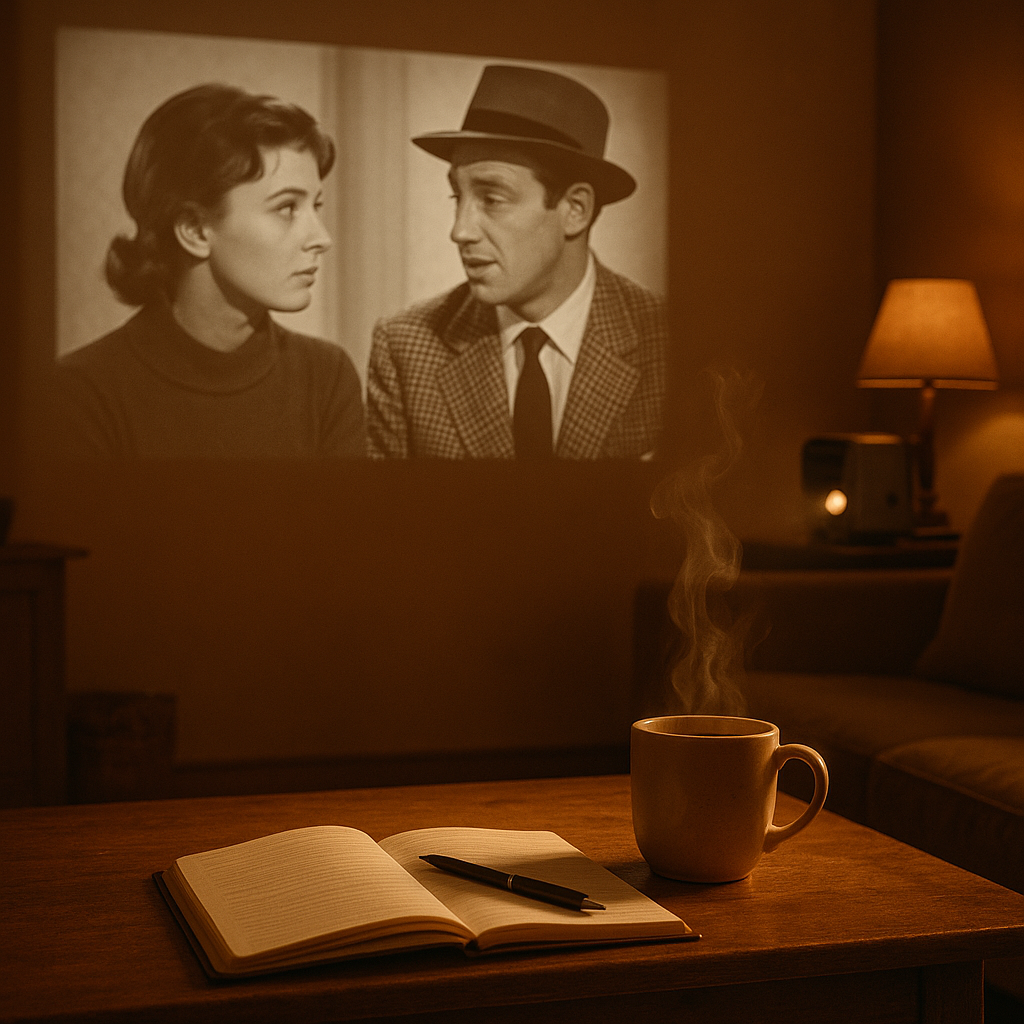
Picture this. It’s a Friday night. You’ve poured yourself a glass of red wine, curled up on the couch, and hit play on a classic French film. The opening credits roll. Paris flickers on the screen, the Seine shimmers in the moonlight, and suddenly…
The actors start speaking French. Fast.
No subtitles. No safety net. Your heart pounds. Wait… what did they just say? Did he say “chien” (dog) or “tiens” (here)? Did that character just insult someone, or confess his love? You panic and reach for the remote to turn the subtitles back on.
Sound familiar?
If you’re learning French, you’ve probably heard this advice countless times:
“Just watch French movies! You’ll pick it up naturally!”
But let’s be honest—without subtitles, it’s intimidating. Real-life French isn’t textbook French. Native actors:
Talk at lightning speed
Use slang and idioms
Swallow half their words
Speak in regional accents
Drop casual filler words like bah, ben, quoi
It’s no wonder many learners quickly abandon the “no subtitles” dream.
Yet watching French films without subtitles is one of the most powerful ways to skyrocket your listening skills. The trick isn’t to understand every word. Instead, it’s about training your ear, recognizing patterns, and building confidence in real-life comprehension. It’s about transforming movies from intimidating art films into your personal language gym.
In this article, we’ll explore:
Why movies are an incredible tool for learning French
Why watching without subtitles is worth the effort
Practical strategies to make it possible (and fun!)
How to choose the right films for your level
Tips for surviving the fast-talking French actors
A curated list of great movies for learners
Whether you’re dreaming of understanding French cinema classics, or simply want to follow a Netflix series without pausing every five seconds, this guide is for you.
So grab that glass of wine—or a coffee if it’s a Sunday morning—sit back, and let’s unlock the secret to watching French movies without subtitles.
Why Movies Are Perfect for Language Learning
They’re Real-Life French
Textbooks teach:
Clear, slow speech
Standard grammar
Predictable dialogues
Movies deliver:
Authentic slang and colloquialisms
Natural speech rhythms
Regional accents
Emotional intonation
They’re Visually Rich
Even if you miss words:
Facial expressions help you guess emotions
Gestures clarify meaning
Context clues fill gaps
They’re Emotionally Engaging
Emotions cement memory. You’re more likely to remember:
A moving speech from La Haine
A hilarious scene in Intouchables
A love confession under the Eiffel Tower
They Train Your Ear
Regularly hearing native speech:
Builds listening stamina
Tunes your brain to French sounds
Helps you distinguish words you previously thought were just noise
Why Watch Without Subtitles?
Subtitles are helpful—but also a crutch. Your eyes quickly switch to reading rather than listening. Here’s what watching without subtitles achieves:
Forces your brain to focus on sounds
Improves real-life conversation skills
Boosts your confidence
Teaches you to understand gist rather than word-for-word meaning
It’s challenging, yes—but it’s where the magic happens.
The Biggest Misconception: Understanding Everything
New learners often believe:
“If I can’t understand every word, it’s useless.”
Wrong.
Even advanced French speakers often miss words in movies. The goal isn’t 100% comprehension. It’s:
Catching key words and phrases
Understanding tone and mood
Following the main storyline
If you get the gist, you’re winning.
How to Watch Without Subtitles: A Step-by-Step Guide
Ready to try watching French films sans sous-titres? Here’s how.
Step 1: Choose the Right Movie
Pick movies:
With clear dialogue
Without too much jargon
Slower-paced
Modern language (unless you’re advanced)
Avoid:
Historical films with archaic speech
Heavy crime dramas packed with slang
Period dramas with fast political debates
Great starter films:
Intouchables – modern language, humor, simple plot
Amélie – quirky, clear narration
Les Choristes – slower dialogue, charming story
Step 2: Watch in Chunks
Don’t watch a two-hour film straight through. Instead:
Watch 5-10 minute segments
Replay those segments
Focus on catching new words each time
Step 3: Focus on Understanding the Gist
Your first watch-through, aim to:
Identify characters
Understand relationships
Catch the general mood
Don’t panic over words you miss.
Step 4: Write Down Key Phrases
While watching:
Pause and write words you recognize
Guess meaning from context
Step 5: Replay the Same Movie Multiple Times
Each time you rewatch:
Understand more words
Notice new expressions
Predict what’s coming next
Repetition is your superpower.
Step 6: Shadow the Dialogue
Shadowing = repeating what you hear out loud.
Pick a short dialogue
Play it, pause it, mimic pronunciation
Repeat until you match the rhythm
This improves:
Pronunciation
Intonation
Listening speed
Step 7: Watch Once with Subtitles (Optional)
As a last step, watch with French subtitles to:
Confirm what you heard
Fill in missing words
Resist starting with subtitles. Use them as a learning check, not a crutch.
Tips for Surviving Fast French
Even native speakers sometimes say:
“Il parle trop vite !” – He’s speaking too fast!
Here’s how to cope:
Learn Fillers and Linking Sounds
French speakers blur words:
“Je ne sais pas” → “Ch’sais pas”
“Tu es là ?” → “T’es là ?”
Common fillers:
Bah…
Ben…
Euh…
Enfin…
Recognizing these helps you keep up.
Focus on Content Words
Ignore “fluff” words. Listen for:
Verbs
Nouns
Key adjectives
E.g. In Intouchables:
“Tu veux un boulot ?” → “Want a job?”
Ignore extra chatter at first.
Use Context Clues
Visuals help. If a character looks angry, the dialogue is probably:
An argument
Insult
Disagreement
Be Patient
Don’t expect overnight mastery. Celebrate small wins:
Understanding a joke
Recognizing a phrase
Following an emotional scene
Recommended Movies for Learners
Here’s your French cinema starter pack.
1. Intouchables
Clear, modern language
Humor helps retention
Heartwarming story
2. Amélie
Narration helps you follow
Visual storytelling
Charming Paris scenes
3. Les Choristes
Slower speech
Beautiful music
Easy-to-follow plot
4. La Famille Bélier
Modern family language
Teenage vocabulary
Emotional but simple plot
5. Le Petit Nicolas
Simple dialogue
Short, episodic structure
Funny and nostalgic
6. Bienvenue chez les Ch’tis
Regional accent humor
Great for intermediate learners
Lighthearted story
7. OSS 117 Series
Hilarious spy parodies
Simple comedic language
Great for learning jokes
8. L’Auberge Espagnole
Conversational French
Young adult vocabulary
Insight into cultural differences
The Secret to Success: Enjoy It
Remember:
Learning should be fun.
Don’t treat movies like a school exam.
Laugh, cry, and immerse yourself.
French cinema is:
Witty
Romantic
Philosophical
Occasionally bizarre
Embrace the full ride.
How Movies Improve Your Language Beyond Listening
Vocabulary Growth
You’ll pick up:
Slang
Everyday expressions
Colloquial speech
Pronunciation and Rhythm
Hearing native speech:
Teaches you the melody of French
Improves accent naturally
Cultural Knowledge
Movies teach:
Social customs
Humor
Regional differences
Conversation Skills
You’ll gain:
Phrases for real conversations
Ways to express emotions
Storytelling techniques
FAQs About Watching French Movies Without Subtitles
Q: Is it too hard for beginners?
A: Start small. Short films, cartoons, or slow-paced movies help beginners ease in.
Q: Should I watch with French or English subtitles?
A: Start without subtitles. Use French subtitles only for checking. English subtitles lead to reading instead of listening.
Q: I only catch a few words. Is it worth it?
A: Yes! Even partial understanding trains your ear and builds confidence.
Q: Are cartoons good for adults learning French?
A: Absolutely. Cartoons often use clear speech and everyday vocabulary.
Q: How often should I watch?
A: Even 10-15 minutes daily builds progress. Consistency beats occasional marathons.
Q: Will I ever understand movies like a native speaker?
A: With time, yes. Even natives sometimes miss slang or mumbled dialogue. Aim for gist comprehension first.
Q: Is it better to rewatch the same film or watch new ones?
A: Both help. Repetition boosts comprehension; new films expand vocabulary.
Q: Do I need to understand every word?
A: No! Understanding 50-70% is a great start. The rest improves with practice.
Ready to Dive into French Cinema?
At Polyglottist Language Academy, we believe language learning should be joyful, immersive, and connected to real life. Our French classes:
Help you decode fast French speech
Teach slang and conversational language
Give you cultural context to understand films
Build confidence for real-world listening
Whether you’re watching Intouchables or debating your favorite French actor, we’re here to help you speak—and understand—like a local.
👉 Sign up for our French classes today!
And if you’re eager to keep exploring the world of languages and cultures, check out these other articles on our blog: