
10 Tiny French Villages Where You’ll Hear Real, Everyday French
Introduction: Beyond Paris—Where the Real French Lives
Ask someone to picture France, and their mind likely jumps to the Eiffel Tower, the cafés of Paris, or the glamour of the Côte d’Azur. But if you’re learning French—or hoping to deepen your understanding of the language and culture—you might want to skip the well-trodden tourist paths. Why? Because in those postcard-perfect hotspots, you’re more likely to hear English, encounter pre-scripted exchanges, and get the “tourist version” of France.
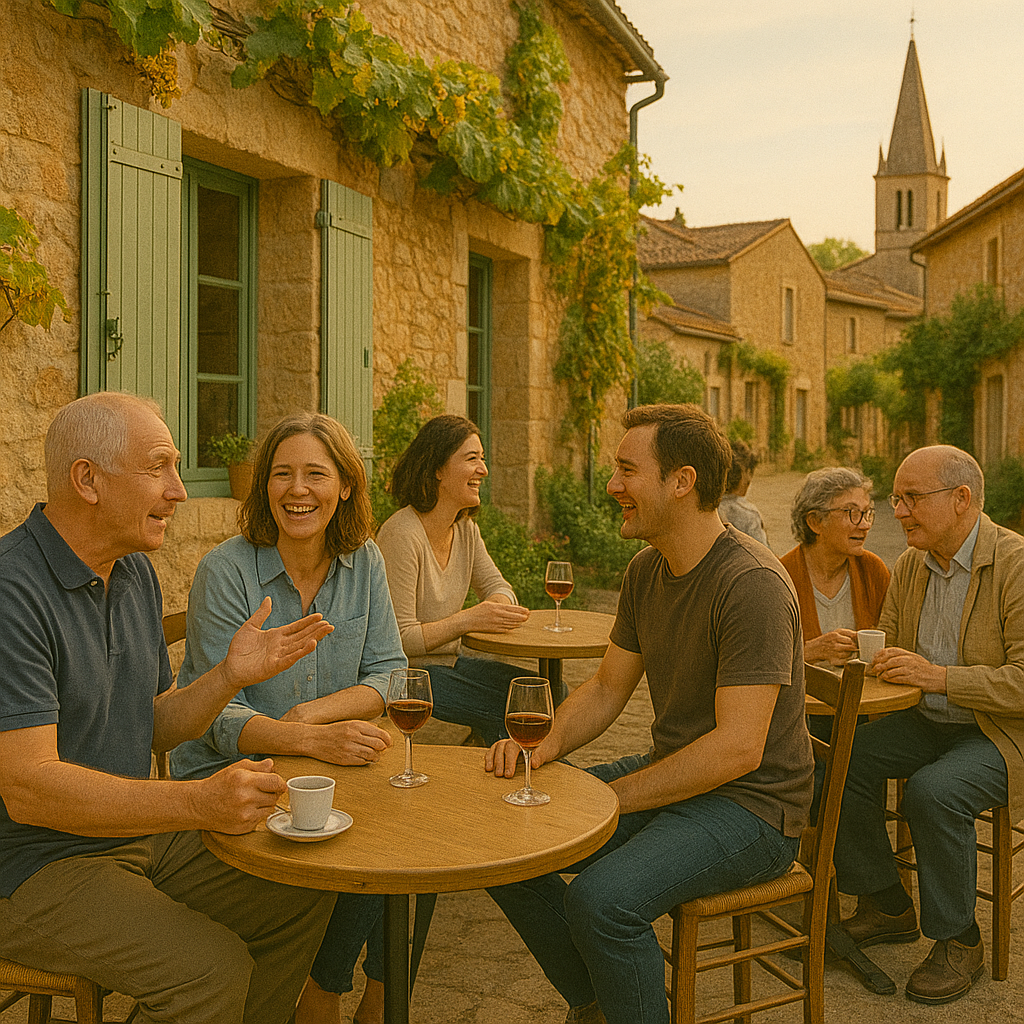
To hear real French—the unfiltered, regional, everyday kind—you need to go smaller. Much smaller. Tiny villages and rural towns across France are where the language lives in its most authentic form. Here, locals aren’t performing for visitors. They’re chatting at the boulangerie, gossiping at the market, and catching up at the local café-tabac in a rhythm of life that has remained beautifully unchanged.
For language learners, this is where the magic happens. The language isn’t textbook French—it’s filled with regional expressions, casual grammar, and melodic accents. It’s not always easy to understand at first, but it's real. And being surrounded by that kind of French can do more for your listening and speaking skills than weeks in a classroom.
In this article, we’ll take you on a journey to 10 tiny French villages—each charming, culturally rich, and ideal for language immersion. These aren’t just picturesque places. They’re living classrooms, where every “bonjour,” every bakery visit, every overheard conversation is a chance to hear and practice French as it’s truly spoken.
1. Saint-Cirq-Lapopie (Occitanie)
A clifftop village perched above the Lot River, Saint-Cirq-Lapopie is a medieval gem where time slows down. Its quiet streets and local cafés are ideal for practicing slow, clear French with friendly (if slightly reserved) locals.
Language tip: Occitan influence still lingers here, so you might hear older residents mix in words from the langue d’oc. Listen closely at the market—every vendor has a story.
2. Conques (Aveyron)
This village, nestled in a lush valley and famous for its Romanesque abbey, is a stop on the Camino de Santiago. While pilgrims pass through, the daily rhythm is very local—especially outside the summer rush.
Language bonus: Interact with shopkeepers and religious guides who are happy to explain traditions in patient French. Ask about le trésor de Conques—the church’s gold relics.
3. Olargues (Hérault)
A bridge between Mediterranean and mountain cultures, Olargues sits on the edge of the Haut-Languedoc Regional Park. It’s a place of fishermen, artisans, and winegrowers—all happy to chat, especially if you ask about their terroir.
Phrase to know: Vous êtes du coin ? (Are you from around here?) It’s a conversation starter that locals appreciate.
4. Éguilles (Provence-Alpes-Côte d’Azur)
Tucked away near Aix-en-Provence, Éguilles is where locals live year-round—not just vacation. Its boulangeries and small-town mairie (town hall) life are fantastic for hearing real Southern French.
Listen for: The Provençal accent, slightly sing-song and filled with subtle vowel shifts. And don’t be surprised by friendly banter in the épicerie.
5. Séguret (Vaucluse)
Séguret feels like a fairytale, clinging to the hillside with cobbled streets and views over the Rhône Valley. Tourists trickle in, but you’ll still find elderly locals sitting outside their homes, exchanging news in soft regional tones.
Language tip: Practice simple greetings and questions here. People are welcoming if you approach gently and respectfully.
6. Moncontour (Côtes-d’Armor, Brittany)
This walled Breton village is known for its character houses and lively arts scene. The café culture is intimate—ideal for listening in on conversations about local politics, music, and more.
Regional flavor: You might hear some Breton phrases mixed into the French, especially among older speakers. It’s a beautiful layer of linguistic history.
7. Tournon-d’Agenais (Lot-et-Garonne)
Built around a central bastide, this small hilltop town is full of daily village life: kids heading to school, neighbors chatting on doorsteps, and a marché that pulls in residents from surrounding farms.
Best time to visit: Morning market hours, when you can listen to pure, unhurried conversational French.
8. La Garde-Adhémar (Drôme Provençale)
White stone buildings, lavender fields, and a rhythm that hasn’t changed in centuries—this village is a sensory delight. Locals often speak slowly and clearly, with pride in their traditions and culinary heritage.
Practice tip: Ask about the herbs used in local cuisine. You’ll learn vocabulary and earn smiles.
9. Apremont-sur-Allier (Cher)
Famous for its floral gardens and fairytale aesthetics, this central France village is less touristy than you'd expect. The community is small, and conversations are often carried out in the local épicerie or riverside cafés.
Look for: Informal exchanges between neighbors—you’ll hear natural, colloquial French perfect for learners.
10. Salers (Cantal, Auvergne)
High in the volcanic Massif Central, Salers is known for its cheese, cows, and proud local culture. Here, conversations are unpretentious and infused with earthy wisdom. Ideal for deepening your vocabulary around food, farming, and family.
Don’t miss: Chatting with cheesemakers and butchers—they love to explain their craft and heritage.
FAQs
Q: Why not just go to Paris to learn French?
A: In big cities, especially tourist-heavy ones like Paris, you’re more likely to be spoken to in English. In smaller villages, people speak only French—and more naturally. It’s immersive and authentic.
Q: Will locals be patient with my French?
A: In villages, people are often pleasantly surprised when visitors try to speak French. If you’re respectful and show effort, most will meet you with kindness—even if your French isn’t perfect.
Q: What’s the best way to start a conversation in a village?
A: Simple greetings go a long way: Bonjour, Vous êtes d’ici ?, or even Quel pain me recommandez-vous ? at the bakery. Avoid jumping straight into English.
Q: Is regional French very different from standard French?
A: Sometimes! You’ll hear local accents, slang, and even older words. But don’t worry—it’s excellent for improving listening skills and building real-life vocabulary.
Q: Should I avoid tourist season?
A: If your goal is to hear real French, yes. Visit in spring or fall for the most authentic experience without the crowds.
Q: Are these villages easy to get to?
A: Some are accessible by train or regional bus, others may require a rental car. That extra effort pays off with a richer, more immersive experience.
Q: What level of French do I need to benefit from this kind of trip?
A: Even with basic conversational skills, you’ll gain a lot. Bring a notebook, be ready to listen more than speak, and don’t be afraid to ask questions.
Q: Can I stay in these villages long-term?
A: Many offer charming guesthouses or gîtes. Staying for even a week lets you settle into the rhythm and engage with locals more deeply.
Want to Sound Like You Belong in These Villages?
At Polyglottist Language Academy, we specialize in real-world French—not just grammar drills, but everyday conversation, cultural immersion, and confidence-building. Whether you're preparing for travel, moving to France, or just want to sound more natural, our classes are designed to get you there.
We offer small group and private French classes in Berkeley, San Francisco, Oakland, San Jose, Marin, and online. Each lesson is grounded in cultural context and taught by experienced instructors who know what it means to live and speak French authentically.
👉 Sign up today and take your French beyond the classroom—and into real life.
More Articles You’ll Love:
📘 French Etiquette 101: Do’s And Don’ts For Visitors
🎧 Thinking Of Moving To France? 10 Things To Know Before You Go
🤔What To Pack For France: A Seasonal Guide For Smart Travelers
😂 How Much French Do You Really Need To Know For A Trip?
🇫🇷 How To Blend In While Traveling In France (Hint: It's Not Just About Clothes)
🔡 How Polyglottist Language Academy Makes French Learning Feel Like Travel
📚 Bay Area French Cafés, And Cultural Events You’ll Love
🛍️The French Riviera: Where Writers, Painters, And Celebrities Found Paradise