
How to Make Friends in France Without Seeming Too “Friendly”
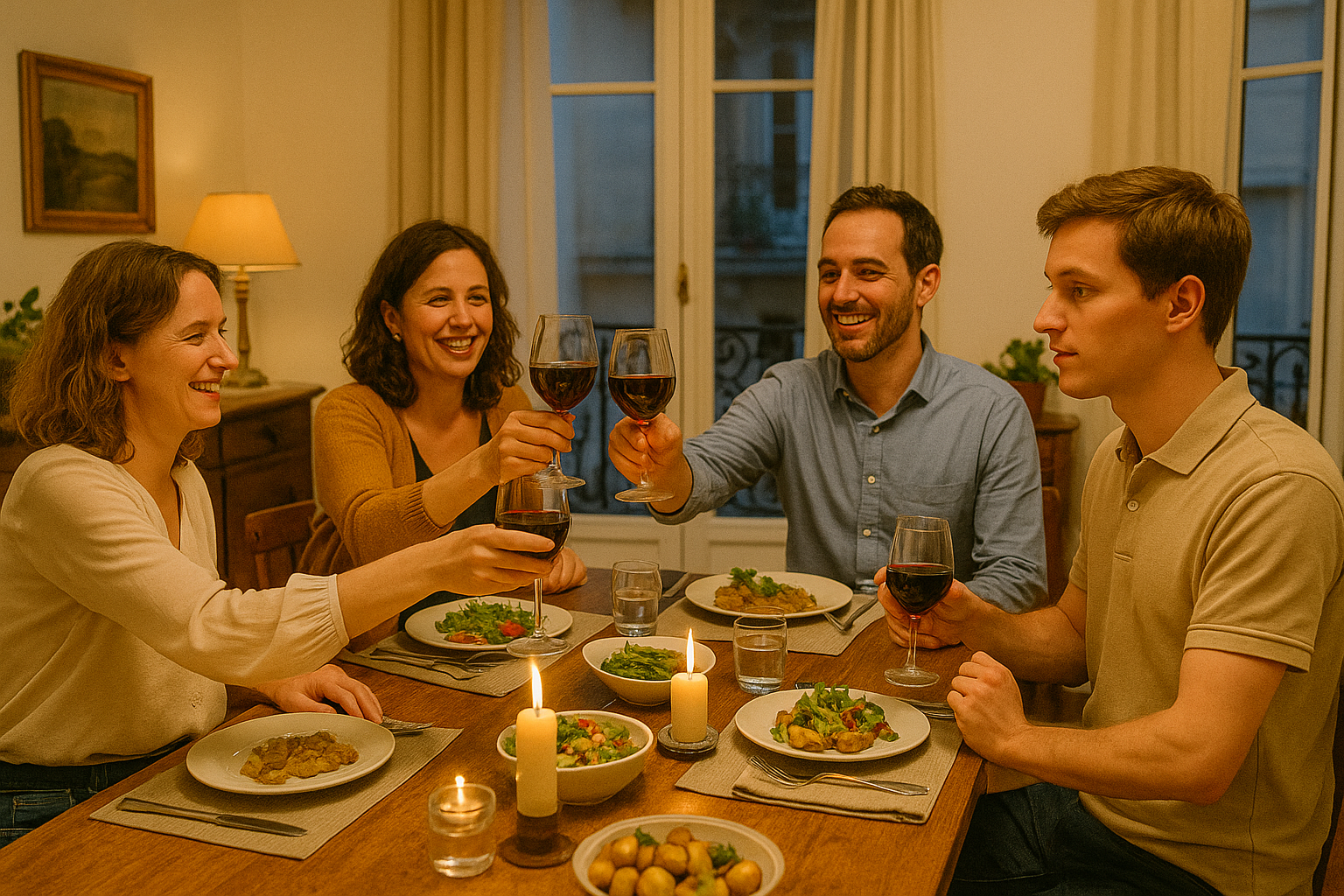
Introduction: Friendly vs. French-Friendly
You’re living in France or spending extended time there. You speak a bit of French, you love the food, you enjoy the slower pace of life—and yet, something is missing. You want to connect. You want friends. You want to be invited out for drinks, dinners, or lazy Sunday picnics. But every time you try to strike up a conversation with your neighbor, a colleague, or the baker down the street, it falls flat.
The smiles don’t always get returned. The casual “Hi, how are you?” doesn’t spark much. You may even start to feel like you’re doing something… wrong.
Here’s the truth: in France, especially for Americans and others from “warm” cultures, your friendly approach may be read less as kind—and more as intrusive. Being instantly open, asking personal questions, or giving out big smiles to strangers is not how friendships usually begin in French culture. In fact, it can feel overly familiar or even insincere.
But don’t worry—this doesn’t mean the French are cold or unfriendly. Far from it. It just means they play a different social game, with slower pacing, more privacy, and a higher bar for intimacy. Once you understand the cultural rhythm, you’ll find that French friendships are some of the most meaningful, loyal, and lasting you’ll ever have.
In this article, we’ll unpack the key differences between American-style friendliness and French social norms, and give you practical tips for building friendships in France without seeming, well… too friendly. Whether you're a student, expat, traveler, or language learner, this guide will help you build connections that are both respectful and real.
Part 1: Understanding the French Approach to Friendship
1. Friendship is Earned, Not Offered Freely
In the U.S., casual friendliness is the social default. You chat with strangers, ask “how are you?” without expecting an honest answer, and may call someone a “friend” after knowing them for a few days.
In France, l’amitié is deeper—and slower. The French reserve the word ami for real, long-term friendships. Acquaintances are connaissances. Casual social contacts, like coworkers or classmates, stay in that category for a long time unless intentionally deepened.
2. Politeness Isn’t the Same as Warmth
French people may seem reserved at first, but that doesn’t mean they’re rejecting you. Their default social setting is formal, especially with strangers. They use vous, they don’t smile at everyone in the street, and they often keep personal stories to themselves.
Rather than reading this as coldness, think of it as social respect. Being polite and private is their way of giving you space—and expecting the same in return.
Part 2: How to Start Social Connections—The French Way
1. Start Small and Be Patient
Don’t expect instant bonding. Begin with light, situational conversation—comment on the weather, the café ambiance, or a shared experience. Repeated interactions in the same setting (language class, gym, neighborhood) are your best bet. Familiarity breeds comfort in French culture.
2. Use Formal Language First
Start with bonjour, use vous, and be cautious with personal questions. It’s better to be a little too formal at the beginning than risk overstepping.
3. Talk About Ideas, Not Yourself
French conversation is often idea-driven, not anecdote-driven. Instead of “What did you do this weekend?” try “Did you see the exhibition at the Musée d’Orsay?” or “What do you think of the pension reform protests?”
This shows curiosity and depth—qualities the French value in conversation.
4. Respect Physical and Emotional Space
Don’t touch, hug, or overshare too quickly. The famous bise (cheek kisses) may be used in greetings, but that doesn’t mean the person is your friend. Wait until your relationship evolves naturally before initiating physical closeness or emotional vulnerability.
Part 3: How to Deepen Connections
1. Consistency Builds Trust
French people may take a while to warm up, but once they do, they’re in for the long haul. Consistency is key: go to the same café, the same class, the same meet-up. Familiar faces lead to real conversation.
2. Accept Invitations Graciously—and Reciprocate
If someone invites you for a coffee or a small gathering, say yes (unless you truly can’t). These low-stakes settings are often the first step toward friendship. Later, be sure to invite them back—even if it’s just for a casual drink or shared walk.
3. Share Slowly and Sincerely
Rather than opening up immediately, share something personal only once you sense the connection deepening. French people value sincerity, and over-disclosure can come across as superficial or needy.
Try something like:
“Ce n’est pas toujours facile de s’habituer à la vie ici, mais j’apprends.”
(It’s not always easy adjusting to life here, but I’m learning.)
This signals openness without oversharing.
Part 4: Avoiding Common Faux Pas
1. Don’t Assume You’re Friends After One Chat
Just because someone is nice to you doesn’t mean you’re friends. Avoid calling someone mon ami too soon—it can feel forced or even patronizing.
2. Don’t Be Overenthusiastic
Big gestures, too many compliments, or constant smiling may seem fake to French eyes. Aim for calm confidence and subtle warmth.
3. Avoid Talking Too Much About Work or Money
These topics can feel too pragmatic or impersonal in a social setting. Focus instead on culture, travel, art, food, or local life.
Part 5: Making Friends Through Shared Activities
If you’re new in France, joining structured activities is a fantastic way to meet people naturally.
Try:
Language exchange groups (échanges linguistiques)
Cooking or wine classes
Book clubs or film discussion nights
Art openings or cultural events
Hiking or outdoor clubs
These give you something to talk about other than yourself—and that’s a very French approach to bonding.
FAQs
Q: Why do French people seem cold at first?
A: It’s not coldness—it’s privacy and formality. Friendship is taken seriously, so initial interactions are often reserved until trust is built.
Q: Is it okay to smile at strangers?
A: A soft, polite smile is fine—but big grins or overly familiar gestures can feel unnatural in France. Smile more with your words than your teeth.
Q: How long does it take to make a friend in France?
A: It depends on the context, but generally longer than in the U.S. Think of friendship as a slow-cooked stew, not a microwave meal.
Q: Can I use “tu” right away?
A: Only if the other person initiates it. Otherwise, stick with vous until invited to switch.
Q: Are there any social settings where it’s easier to make friends quickly?
A: Yes—university environments, expat communities, language exchanges, and creative workshops tend to be more relaxed and open.
Q: What’s a good way to follow up after meeting someone?
A: A short, polite message: “J’ai apprécié notre conversation, et j’aimerais bien qu’on se revoie bientôt.” (I enjoyed our conversation and would love to meet again soon.)
Q: Do French people use social media to make friends?
A: Not typically for starting friendships, but messaging apps like WhatsApp are used to maintain existing social ties.
Q: What if I make a faux pas?
A: Don’t worry. Most French people are gracious if you’re trying sincerely. Just be willing to observe, adjust, and learn from your experiences.
Learn to Speak—and Connect—Like a Local
At Polyglottist Language Academy, we teach more than just grammar and vocabulary. Our French courses help you understand the cultural rhythm of connection—how to build relationships, read social cues, and speak naturally and confidently in real-life settings.
Whether you’re in the Bay Area (Berkeley, Oakland, San Jose, Marin) or learning online, our small group and individual classes offer practical tools to help you blend in—and belong.
👉 Join us today and start turning conversations into true connections.
Explore More Articles for French Language and Culture Insights:
📘 French Etiquette 101: Do’s And Don’ts For Visitors
🎧 Thinking Of Moving To France? 10 Things To Know Before You Go
🤔What To Pack For France: A Seasonal Guide For Smart Travelers
😂 How Much French Do You Really Need To Know For A Trip?
🇫🇷 How To Blend In While Traveling In France (Hint: It's Not Just About Clothes)
🔡 How Polyglottist Language Academy Makes French Learning Feel Like Travel
📚 Bay Area French Cafés, And Cultural Events You’ll Love
🛍️The French Riviera: Where Writers, Painters, And Celebrities Found Paradise