
The Art of Balance: What Makes Chinese Cuisine So Harmonious?
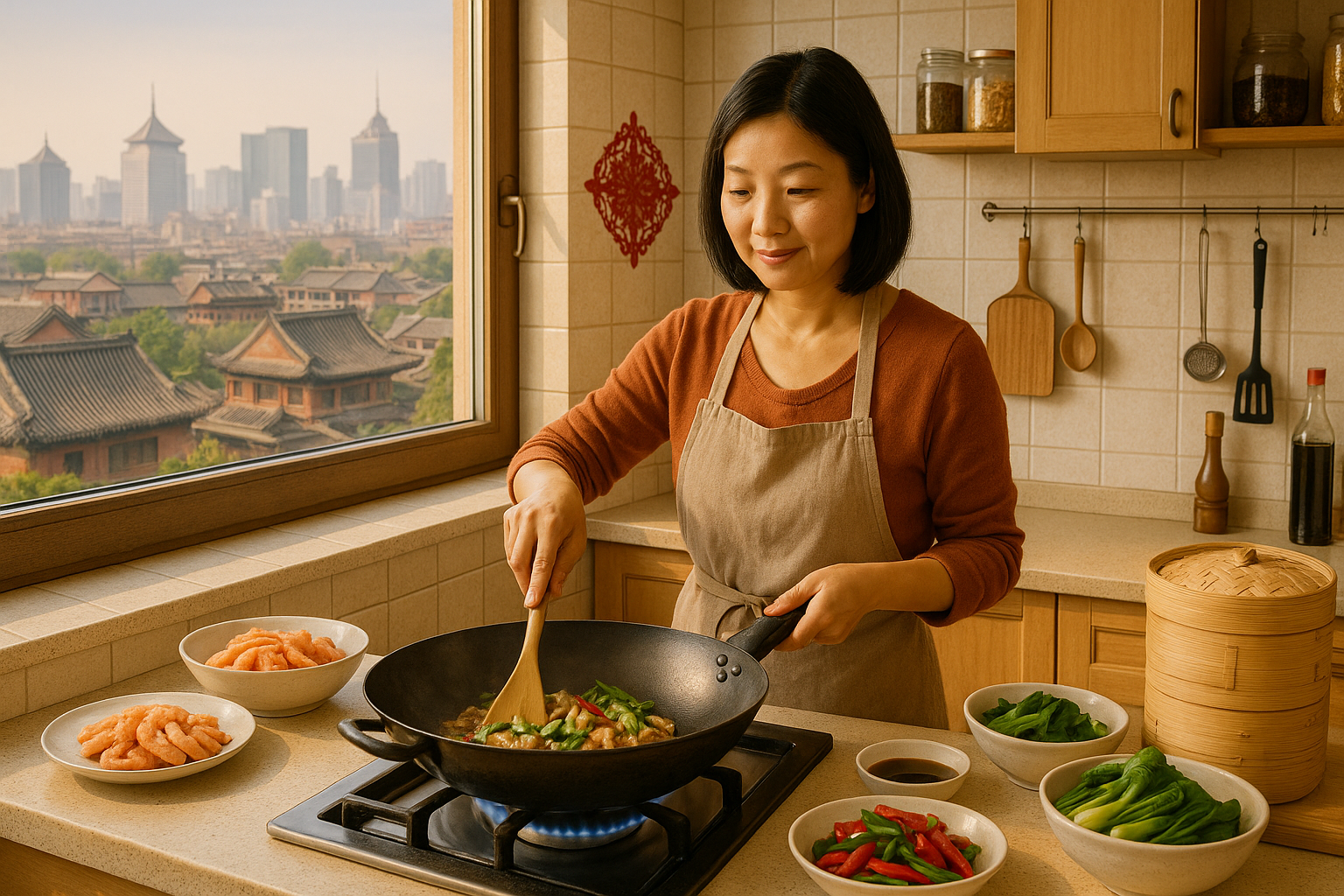
Explore the ancient philosophies, cultural practices, and culinary techniques that bring balance to every bite of Chinese food.
Introduction: More Than Flavor—A Philosophy on a Plate
What makes Chinese food so satisfying—not just to the stomach, but to the soul?
It might be the contrast of textures: crunchy wood ear mushrooms paired with soft tofu. Or the balance of flavors: sour vinegar brightening up rich pork belly. Or the interplay of hot and cold, sweet and salty, crisp and tender—often all on the same plate.
But beneath the delicious surface lies something deeper: a philosophy. Chinese cuisine, at its best, is not about indulgence—it’s about harmony. Every dish, every meal, every flavor pairing is guided by principles rooted in Traditional Chinese Medicine, yin and yang theory, and centuries of culinary artistry. It’s food designed not just to please the palate, but to bring the body and mind into balance.
Unlike many Western cuisines that focus on highlighting a single ingredient or building courses around protein, Chinese food is communal, layered, and multidimensional. It’s built on balance and contrast, function and pleasure, season and region, and perhaps most beautifully—the belief that food is a form of healing.
In this article, we’ll take a deep dive into what makes Chinese cuisine so harmonious: from the guiding principles of taste and nutrition to the hidden logic of textures, cooking techniques, and meal structure. If you’ve ever wondered why Chinese meals leave you feeling nourished and content in a way few others do, read on.
1. The Foundation: Yin and Yang in the Chinese Kitchen
At the heart of Chinese culinary philosophy is the ancient concept of yin and yang—the balance of opposing yet complementary forces.
In food, yin and yang manifest as:
Yin (cooling): foods that cool the body, like cucumber, tofu, mung beans, leafy greens
Yang (heating): foods that warm and stimulate, like ginger, garlic, lamb, and chili
A balanced Chinese meal contains a mix of both, customized to the season, the weather, and even the diner’s constitution.
For example:
In winter: lamb stew with warming spices and ginger (yang)
In summer: mung bean soup or chilled bitter melon (yin)
This isn’t just superstition—it’s embedded in the way Chinese people choose what to eat, how to cook it, and how much to serve.
🌗 Every meal becomes a subtle act of recalibration between internal and external conditions.
2. The Five Flavors: Harmony in Taste
Another core concept in Chinese cuisine is the Five Flavors (五味):
Sweet (甜)
Sour (酸)
Salty (咸)
Bitter (苦)
Spicy/Pungent (辣)
According to Traditional Chinese Medicine, these flavors correspond to different organs and bodily functions:
Sweet: nourishes the spleen and stomach
Sour: supports the liver
Bitter: clears heat and benefits the heart
Salty: nourishes the kidneys
Spicy: promotes circulation and benefits the lungs
A harmonious meal doesn’t overload any one flavor. Instead, it offers a balance that satisfies the full range of your sensory and physiological needs.
🌈 Think of a classic Sichuan dish like mapo tofu: spicy (chili), salty (soy sauce), numbing (Sichuan peppercorn), and slightly sweet—all playing off each other in a perfect crescendo.
3. Texture Matters—A Lot
If you're new to Chinese food, you might be surprised by how much texture is valued—even over taste. Chinese cuisine revels in contrast:
Silky tofu with crispy shallots
Chewy rice cakes with crunchy peanuts
Gelatinous pig skin or tendons paired with vinegar dips
This love of texture is part of what gives Chinese cuisine its unique character. “Mouthfeel” (口感 kǒugǎn) is a term frequently used to describe the pleasure of eating, and it’s why certain dishes (like sea cucumber or duck tongue) are prized despite their neutral flavor.
💡 Tip: Try dishes with soft and crispy elements served together—you’ll start to appreciate the magic of textural balance.
4. The Role of Color and Presentation
While Chinese food isn’t as stylized as, say, Japanese kaiseki, visual appeal still matters.
A harmonious dish typically follows the principle of:
Color variety: greens, reds, browns, whites
Layering: toppings or sauces that accent the base
Natural arrangement: designed to look organic, not overly sculpted
Meals are also served family-style, meaning the whole table is the canvas—not just the individual plate. That communal variety helps achieve a kind of visual and gustatory equilibrium.
🎨 The result? Meals that are pleasing to the eye, nourishing to the body, and rich in symbolic meaning.
5. Cooking Techniques: Contrast and Control
Chinese chefs don’t just cook—they orchestrate. A well-balanced meal may include:
Stir-frying (for crispness)
Steaming (for purity)
Braising (for richness)
Deep-frying (for crunch)
Boiling or poaching (for softness)
These techniques aren’t just chosen at random—they’re used to complement ingredients and flavors in specific ways. For example, steaming brings out the delicate sweetness of fish, while braising deepens the flavor of fatty pork.
🔥 In any traditional meal, there’s a deliberate contrast between cooking methods—ensuring that no two dishes feel redundant.
6. Seasonal Sensibility and Local Wisdom
China’s vast geography and diverse climate mean that what’s balanced in Beijing might not be in Guangzhou. Local cuisine adjusts accordingly.
Northern regions (like Shandong): hearty wheat-based foods, braises, and pickles to combat cold winters.
Southern regions (like Guangdong): lighter, steamed dishes and tropical fruits.
Spicy central regions (like Sichuan and Hunan): bold, hot flavors to counteract humidity and promote circulation.
These regional variations are also tuned to the season:
Spring: greens, sprouts, and lighter broths
Summer: bitter melon, chilled noodles, cooling soups
Autumn: mushrooms, duck, and warming grains
Winter: hotpots, fatty cuts, root vegetables
🌱 Eating in harmony with the season is a principle that guides daily life, not just gourmet menus.
7. Meals as a Whole: The Tao of the Table
Chinese meals aren’t organized around a main dish and sides. Instead, they’re built around complementary contrasts:
Protein dishes vs. vegetable dishes
Dry vs. saucy
Mild vs. spicy
Warm vs. cool
There’s usually:
A light soup to begin or end
Multiple shared dishes with diverse flavors and textures
Rice or noodles as a neutral base
Everyone eats together. The host ensures that no one dish dominates—just as no one voice should overpower a group conversation.
🍚 In essence, a Chinese meal is a philosophical experience of interdependence and flow.
8. Balance Extends to Portion and Pace
You won’t often find super-sized portions or excessive plating in traditional Chinese meals. The balance includes:
Portion control: Small servings encourage variety and prevent overeating.
Pace: Meals are often long, with breaks for conversation, tea, or digestion.
Tea pairing: Green tea with fried foods, oolong with fatty meat—teas are chosen to aid digestion and reset the palate.
🫖 In Chinese dining, even what you drink is part of the balancing act.
FAQs: Understanding the Harmony of Chinese Food
Why do Chinese dishes mix so many textures?
Because texture is as important as flavor in Chinese cuisine. Variety in mouthfeel makes eating more satisfying and dynamic.
Is Chinese food always spicy or salty?
No. In fact, much of Chinese cuisine is mild and delicately flavored. Regional variation is key—only certain provinces emphasize heat or saltiness.
Do Chinese people really eat according to yin and yang?
Yes. Especially in older generations, food choices often reflect beliefs about how to balance the body’s internal energy, especially in relation to the weather or season.
Why are Chinese meals shared instead of individually plated?
Sharing promotes harmony, equality, and community. It also allows for more balanced combinations of dishes at the table.
Is dessert important in Chinese meals?
Not in the Western sense. Sweet dishes do exist, but often appear as snacks or at the end of banquets. Fruit or sweet soups may follow the meal instead of cakes or pastries.
Why are certain foods considered “cooling” or “heating”?
This idea comes from Traditional Chinese Medicine. It’s less about literal temperature and more about how foods affect your body’s balance and energy.
Can I achieve this balance at home?
Yes! Start by pairing dishes with different cooking styles and flavors, using seasonal ingredients, and aiming for variety in color, taste, and texture.
Is there a connection between Mandarin and food culture?
Absolutely. Many food concepts are deeply tied to the Chinese language and idioms. Learning Mandarin unlocks the cultural meaning behind dishes, phrases, and culinary etiquette.
Want to Understand Chinese Food on a Deeper Level? Start With the Language
If this article has shown you anything, it’s that Chinese cuisine is far more than just food—it’s a language, a philosophy, a culture. And the best way to truly experience it? Learn the actual language behind it.
At Polyglottist Language Academy, we offer immersive Mandarin language classes designed for food lovers, travelers, and culture seekers. Learn the meaning behind dish names, how to order at local restaurants, how to talk about flavors in Mandarin, and how to read menus like a native.
👉 Sign up today for online or in-person Mandarin classes in Berkeley, Oakland, San Francisco, San Jose, and beyond—and bring your love of Chinese cuisine to life through language.
📚 Explore More of Our Articles:
What To Expect In Your First Adult Mandarin Class (And Why You’ll Love It)
How Mandarin Can Boost Your Career In The Bay Area Tech And Business Scene
Why Learning Mandarin As An Adult Is More Doable Than You Think
From Dumplings To Dialogues: How To Speak Mandarin At Bay Area Restaurants
Best Mandarin Classes For Busy Professionals In The Bay Area