
What to Say (and Not Say) During Chinese New Year
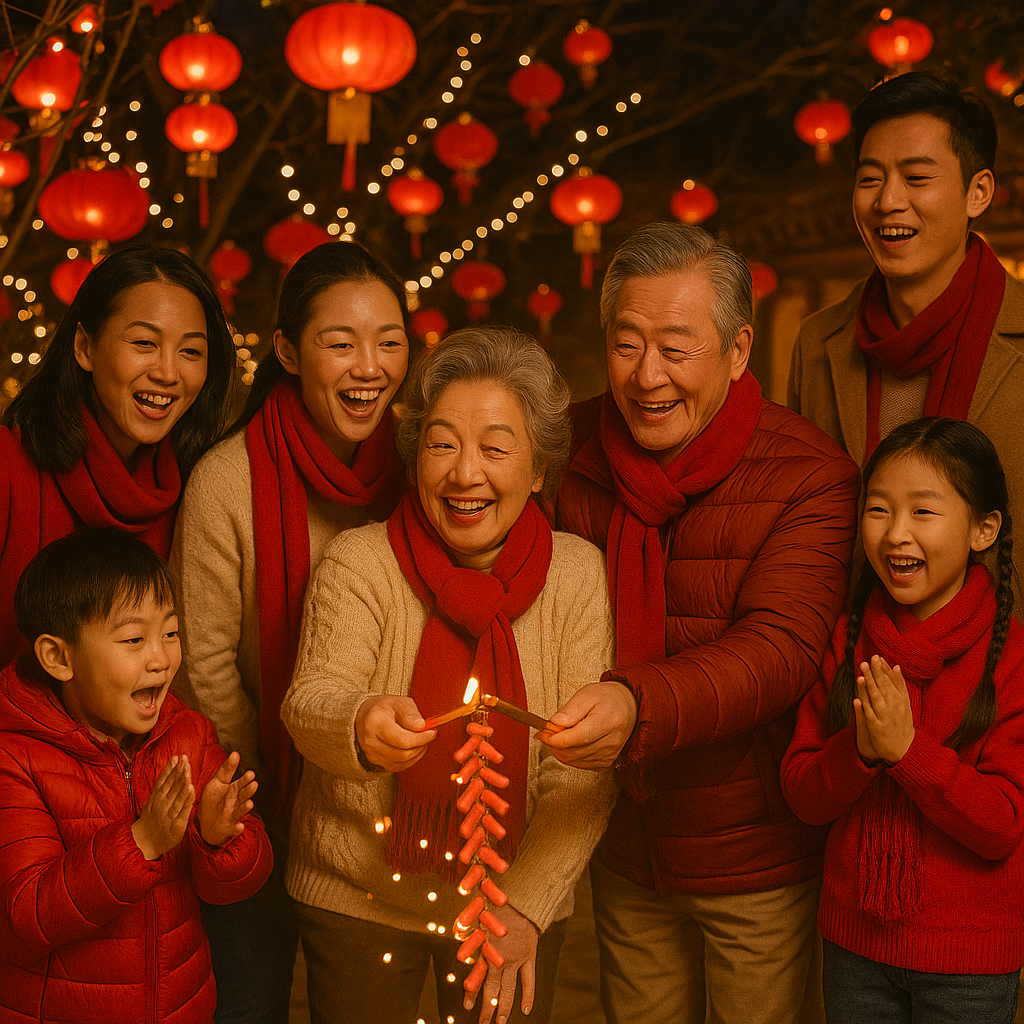
How to greet like a local—and avoid awkward mistakes during the biggest holiday in China
Introduction: More Than Fireworks and Red Envelopes
Chinese New Year—also called Spring Festival (春节 Chūnjié)—isn’t just the biggest holiday in China. It’s a time filled with symbolism, family reunions, deep-rooted customs, and yes—very specific rules about what you say.
While most travelers focus on dumplings, dragon dances, and red lanterns, what often goes unnoticed are the social rituals. Words carry special weight during Chinese New Year. Say the right thing, and you’ll be welcomed with smiles, blessings, and goodwill. Say the wrong thing—even unintentionally—and you might offend or bring “bad luck” into someone’s new year.
Whether you're visiting China, speaking to Chinese friends, or just celebrating the holiday from afar, knowing what to say (and what not to) can help you sound respectful, thoughtful, and culturally aware. In this article, we’ll walk you through the key phrases to use during Chinese New Year—and a few taboo topics to steer clear of.
✅ What to Say During Chinese New Year
During this festive season, you’ll hear and see an explosion of auspicious phrases everywhere—from greetings and texts to red banners and TV shows. The key theme? Good luck, prosperity, health, and happiness.
Here are the most popular greetings:
🧧 Standard & Easy New Year Greetings
新年快乐 (Xīnnián kuàilè) – Happy New Year!
This is the most direct and universal way to wish someone well. Use it freely with friends, family, colleagues, and acquaintances.春节快乐 (Chūnjié kuàilè) – Happy Spring Festival!
A slightly more formal version, especially appropriate in business settings or with elders.恭喜发财 (Gōngxǐ fācái) – Wishing you prosperity!
A traditional phrase often paired with handing out red envelopes (hóngbāo). Fun, festive, and very common.万事如意 (Wànshì rúyì) – May all your wishes come true
Great for cards, emails, or formal greetings.身体健康 (Shēntǐ jiànkāng) – Wishing you good health
Especially appreciated by older people or in a year with health concerns.年年有余 (Niánnián yǒuyú) – May you have abundance every year
A play on words, as 余 (surplus) sounds like 鱼 (fish), often referenced in decorations.
🚫 What Not to Say During Chinese New Year
Chinese culture places huge emphasis on symbolism and superstition, especially at the beginning of the year. Words associated with death, illness, failure, or loss are believed to bring bad luck—so avoid them during this time.
❌ Avoid These Topics and Phrases:
Death or funerals – Don’t mention anything about someone passing away or mourning. It’s seen as highly inauspicious.
The number 4 – The word for four (sì) sounds like “death” (sǐ), so avoid giving gifts in sets of four or referencing the number.
Words like “lose,” “broken,” “poor,” or “sick” – Even if used casually, they are considered bad luck during New Year.
Negative language in general – Instead of saying “No problem,” try “Sure!” Instead of “I can’t,” say “I’ll try.”
Asking about misfortunes – Don’t bring up someone’s breakup, job loss, or health problems during New Year’s visits.
🗣️ Tips on When and How to Say It
Timing matters: Begin using New Year greetings on New Year’s Eve and throughout the 15-day festival.
Use both words and texts: In modern China, messaging apps like WeChat are full of festive stickers and greetings. Don’t hesitate to send a voice message or GIF.
Say it with a smile (and maybe a bow): Body language matters. A smile and slight nod or clasped hands gesture adds sincerity.
FAQs: Chinese New Year Greetings & Etiquette
Q: Can I just say “Happy New Year” in English?
A: You can, especially with younger Chinese speakers. But using even a simple Chinese greeting like Xīnnián kuàilèshows cultural respect and is always appreciated.
Q: What should I write in a Chinese New Year card or message?
A: Stick to the most common phrases: 新年快乐, 恭喜发财, 身体健康. You can also add emojis or stickers if messaging online.
Q: Are there different greetings for different zodiac years?
A: Yes! For example, in the Year of the Dragon, you can say 龙年大吉 (Lóng nián dà jí) – “Great fortune in the Year of the Dragon!”
Q: Should I say anything when giving a red envelope?
A: Yes! Say 恭喜发财 as you give it. If you’re receiving one, respond with 谢谢! 新年快乐!
Q: Is it okay to joke around during Chinese New Year?
A: It’s fine among friends, but avoid sarcasm or dark humor—especially around elders or on formal occasions.
Speak Mandarin with Confidence and Cultural Insight
At Polyglottist Language Academy, we don’t just teach vocabulary—we teach how to use the language in real life.Our Mandarin classes include practical speaking, cultural context, and holiday etiquette so you’re prepared for authentic, respectful conversations.
Whether you’re preparing for a trip to China or just want to impress your in-laws, we offer small-group and private Mandarin classes tailored to your level and interests.
👉 Sign up today and celebrate the next Chinese New Year with confidence—and in perfect Mandarin.
Continue Your Mandarin Journey With These Articles:
What To Expect In Your First Adult Mandarin Class (And Why You’ll Love It)
How Mandarin Can Boost Your Career In The Bay Area Tech And Business Scene
Why Learning Mandarin As An Adult Is More Doable Than You Think
From Dumplings To Dialogues: How To Speak Mandarin At Bay Area Restaurants
Best Mandarin Classes For Busy Professionals In The Bay Area