
The Symbolism of Mooncakes: More Than Just a Dessert
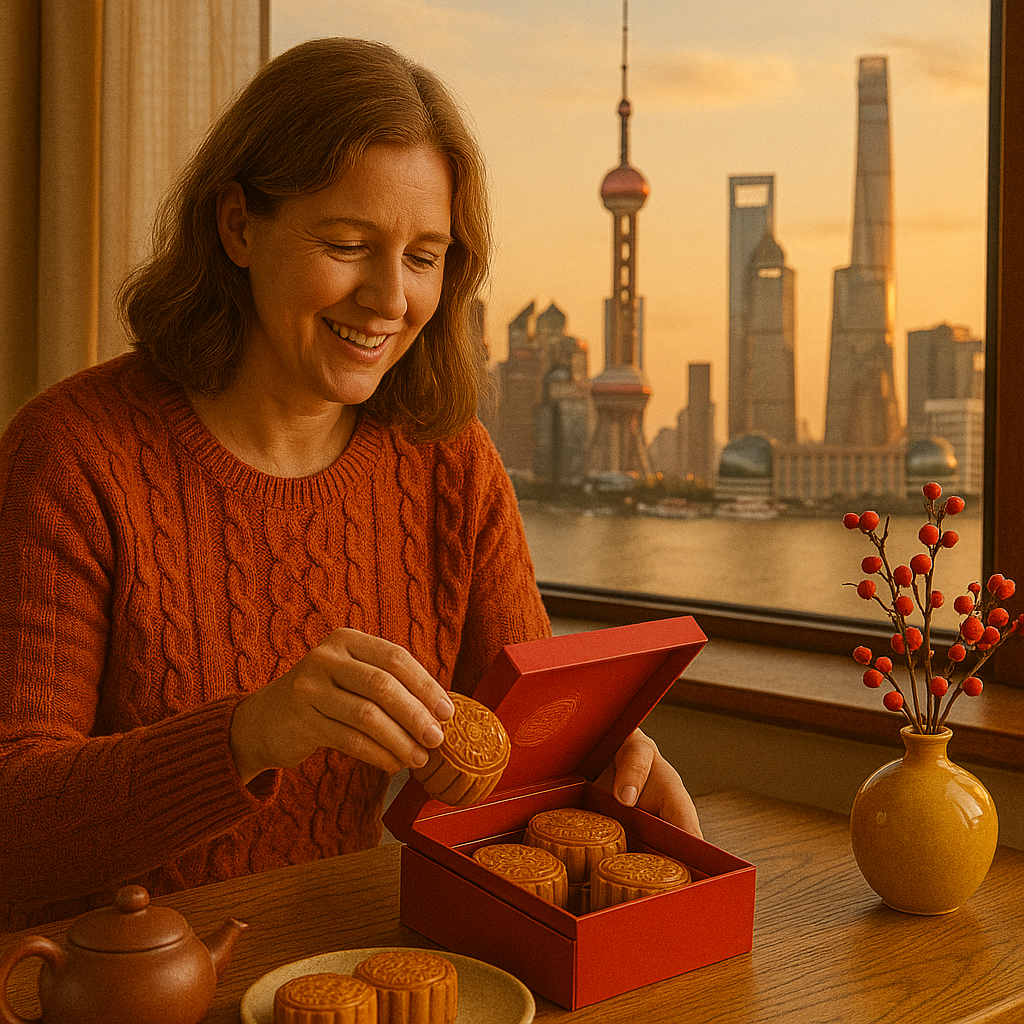
Why this sweet treat carries centuries of history, hope, and togetherness
Introduction: A Bite of Culture, Wrapped in Pastry
If you’ve ever walked through a Chinese bakery in the fall, you’ve probably seen them—round, golden pastries with intricate designs pressed into their surface. At first glance, mooncakes might just look like a seasonal snack. But beneath the rich egg yolk center and sweet or savory fillings lies something deeper: a powerful symbol of reunion, resistance, tradition, and identity.
Mooncakes are the signature food of the Mid-Autumn Festival (中秋节 Zhōngqiū Jié), a holiday that celebrates the full moon, family unity, and harvest blessings. But they’re not just eaten—they’re given, gifted, admired, and even used to send secret messages. Every bite connects people not just to each other, but to a shared cultural memory stretching back over a thousand years.
In modern China and across the global Chinese diaspora, mooncakes remain one of the most meaningful—and most delicious—expressions of cultural heritage. Whether filled with lotus paste, red bean, or modern twists like ice cream and chocolate, they carry layers of symbolism that go far beyond the ingredients.
In this article, we’ll unwrap the history, symbolism, and cultural meaning of mooncakes, and show why learning about them gives you more than just insight into Chinese holidays—it opens a window into Chinese values, language, and worldview.
The History of Mooncakes: From Rebellion to Reunion
Mooncakes are closely tied to the Mid-Autumn Festival, held on the 15th day of the 8th lunar month—usually in September or October. The full moon on this night is seen as a symbol of wholeness and reunion.
But mooncakes also have a legendary history.
🏮 The Ming Dynasty Rebellion Legend
One popular tale traces mooncakes back to the Yuan dynasty, when China was ruled by the Mongols. According to folklore, Han Chinese rebels used mooncakes to hide secret messages, coordinating an uprising that eventually led to the founding of the Ming dynasty. The messages, hidden inside or printed on slips tucked into the pastries, helped spread the call to revolt.
Whether or not the story is historically accurate, it’s part of the powerful mythology surrounding mooncakes—a reminder that food can carry more than flavor; it can carry resistance and resilience.
What Mooncakes Symbolize
🌓 1. Family Reunion and Unity
Because they are round—just like the full moon—mooncakes symbolize completeness and family togetherness. Eating mooncakes with loved ones under the full moon is a central ritual of the Mid-Autumn Festival.
🎁 2. Respect and Gratitude
Mooncakes are often given as gifts to family, friends, teachers, coworkers, and business partners. The act of gifting them expresses appreciation, harmony, and good wishes.
🥮 3. Cultural Identity
For Chinese communities around the world, mooncakes are a tangible link to heritage. Even in places like Singapore, Malaysia, the U.S., and Canada, mooncakes help preserve cultural roots and pass down traditions.
🔮 4. Symbolic Fillings
Different ingredients carry different meanings:
Lotus seed paste (莲蓉) – purity and perfection
Red bean paste (豆沙) – love and harmony
Salted egg yolk (蛋黄) – the full moon and prosperity
Five nuts (五仁) – longevity and good health
Modern fillings like chocolate, matcha, or durian may break from tradition, but they keep the symbolic form alive.
How Mooncakes Are Used Today
Gift boxes from luxury brands now come with ornate packaging, even mooncake-shaped jewelry or custom engraved messages.
Ice cream mooncakes and other creative fusions appeal to younger generations while retaining cultural symbolism.
Mooncake-making workshops are popular around the Mid-Autumn Festival, helping children and language learners connect to tradition through hands-on experience.
FAQs: Mooncakes and the Mid-Autumn Festival
Q: When is the best time to eat mooncakes?
A: During the Mid-Autumn Festival, but they’re available for several weeks leading up to it. Traditionally, families eat them after dinner while admiring the full moon.
Q: Are mooncakes always sweet?
A: No! While many are sweet, there are savory versions filled with ham, mushrooms, or even seafood. Regional styles vary greatly across China.
Q: Can I give mooncakes to someone as a gift?
A: Absolutely. It’s a common and appreciated gesture, especially if the packaging is beautiful. Just avoid giving them in sets of four—the number four (sì) sounds like “death” (sǐ) in Mandarin.
Q: Are mooncakes eaten in other Asian countries?
A: Yes! Variations exist in Vietnam (bánh trung thu), Malaysia, Singapore, and among overseas Chinese communities worldwide.
Q: Do younger people still care about mooncakes?
A: Yes, but with a twist. Younger generations often prefer modern flavors or creative presentations—but the act of giving and eating mooncakes still holds meaning.
Want to Learn the Culture and the Language?
At Polyglottist Language Academy, we believe that language learning is most powerful when it includes cultural understanding. That’s why our Mandarin courses include lessons about festivals, food, traditions, and real-life expressions—so you don’t just speak Mandarin, you live it.
Whether you’re a beginner or an advanced learner, our small-group and private classes give you the cultural fluency to connect with Chinese speakers on a deeper level.
👉 Sign up for a Mandarin class today and experience Chinese culture from the inside out.
Dive Deeper into Chinese Culture with These Articles:
What To Expect In Your First Adult Mandarin Class (And Why You’ll Love It)
How Mandarin Can Boost Your Career In The Bay Area Tech And Business Scene
Why Learning Mandarin As An Adult Is More Doable Than You Think
From Dumplings To Dialogues: How To Speak Mandarin At Bay Area Restaurants
Best Mandarin Classes For Busy Professionals In The Bay Area