
Staying in a Chinese Hotel: What to Expect
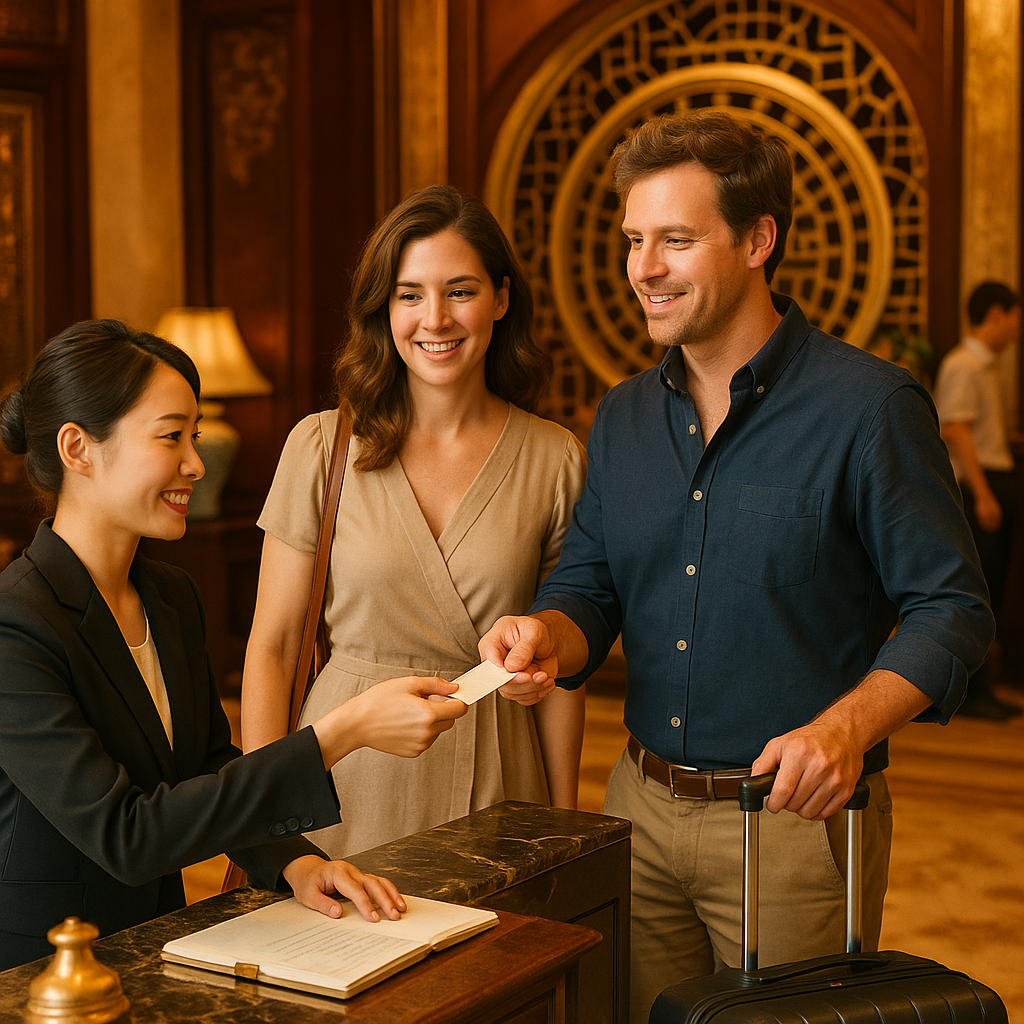
From check-in quirks to bathroom surprises—your complete guide for travelers
Introduction: More Than Just a Place to Sleep
So you’re heading to China—an unforgettable destination where ancient traditions meet cutting-edge modernity. You’ve got your itinerary packed with temples, street food, high-speed trains, and Mandarin phrases ready to go. But one part of your trip may still be a mystery: what is it actually like to stay in a hotel in China?
Whether you're a seasoned traveler or a first-timer, Chinese hotels come with their own set of customs, conveniences, and quirks that can be very different from what you're used to. From the moment you walk in, you’ll notice small (and sometimes big) differences: security protocols, smoking policies, ID checks, breakfast spreads, and even the design of your bathroom. And if you don’t speak Chinese, knowing what to expect ahead of time can save you a lot of confusion—and help you enjoy the experience more fully.
In this article, we’ll walk you through what to expect when staying in a hotel in China, from check-in procedures to unspoken rules. Whether you're staying in a five-star international chain or a no-frills local guesthouse, this guide will help you navigate your stay with confidence and cultural fluency.
What to Expect When You Stay in a Chinese Hotel
1. You Must Show Your Passport (and Register)
Chinese law requires all hotel guests—including foreigners—to be registered with local authorities. This happens automatically when you check in at a hotel. Make sure to bring your physical passport with a valid visa; photocopies are not enough.
If you’re staying with a local (not a hotel), they are legally required to take you to register at a police station.
2. Not All Hotels Accept Foreigners
This might come as a surprise, but some hotels in China are not licensed to host foreigners. These are often budget hotels or smaller local chains. Always check in advance, especially if you're booking on a Chinese site.
Look for “Foreigners Welcome” or use international platforms like Booking.com or Agoda that show verified traveler reviews.
3. Expect Security Deposits
Many hotels in China ask for a security deposit at check-in, usually held on your credit card or in cash. It may be refunded at checkout, but ask in advance to avoid surprises.
4. Language Barrier Is Real
Even in high-end hotels, not all staff speak fluent English. It’s helpful to:
Bring a hotel card with the address in Chinese.
Use translation apps like Pleco or Google Translate.
Learn key Mandarin phrases (wǒ yào yī zhāng fāpiào = “I’d like a receipt”).
5. Toilet Paper Goes in the Bin (Usually)
In many hotel bathrooms, you’ll see a sign asking you not to flush toilet paper, but to put it in the bin instead. The plumbing in older or local hotels often can’t handle it.
Bonus: Pack your own tissues. Public restrooms often don’t provide toilet paper.
6. Showers May Be… All Over the Place
Literally. In some budget or traditional hotels, the shower isn’t separated from the rest of the bathroom. The whole room becomes the shower. Bring flip-flops and manage your expectations.
7. Smoking Is Still Common
Although smoking is banned in many public spaces, you may still smell cigarette smoke in some hotel lobbies or even nonsmoking rooms. If you're sensitive, request a non-smoking floor, not just a room.
8. Breakfast Buffets Can Be a Cultural Adventure
Hotel breakfasts in China can range from toast and jam to rice porridge, steamed buns, pickled vegetables, noodles, and eggs. Western options might be limited outside of big cities.
Tip: Try something local like youtiao (fried dough) or doujiang (soy milk) for an authentic morning start.
9. Elevators May Skip the 4th Floor
Superstition around the number 4 (which sounds like “death” in Mandarin) means many buildings skip it. Don’t be surprised if your floor buttons jump from 3 to 5.
FAQs: Staying in a Chinese Hotel
Q: Can I book a Chinese hotel online without speaking Mandarin?
A: Yes. Use international booking platforms and filter for English-speaking staff. Apps like Trip.com often cater to foreign travelers.
Q: Will my credit card work?
A: International credit cards may not work at all hotels. Bring cash or make sure your card is accepted. High-end hotels are more likely to accept Visa or Mastercard.
Q: Can I drink the tap water?
A: No. Tap water isn’t safe to drink in China. Use bottled water, which is usually provided for free in your room.
Q: What if I need help late at night?
A: Most front desks are staffed 24/7, but English may be limited. Write things down in Chinese or use a translation app for emergencies.
Q: Are there laundry services?
A: Yes, most hotels offer laundry service, but it can be expensive. Budget travelers may want to hand-wash or find a nearby laundromat.
Learn Mandarin and Cultural Know-How Before You Go
At Polyglottist Language Academy, we believe travel is better when you speak the language and understand the culture. Our Mandarin classes prepare you not just for restaurant orders and taxi rides—but for real-life situations like checking into a hotel, asking for directions, and handling local customs.
Whether you're planning a short trip or a long-term stay, our online and in-person Mandarin courses are designed to help you feel confident, curious, and culturally fluent.
👉 Sign up for a class today and travel China with ease and insight.
Planning Your Trip to China? Don’t Miss These Posts:
What To Expect In Your First Adult Mandarin Class (And Why You’ll Love It)
How Mandarin Can Boost Your Career In The Bay Area Tech And Business Scene
Why Learning Mandarin As An Adult Is More Doable Than You Think
From Dumplings To Dialogues: How To Speak Mandarin At Bay Area Restaurants
Best Mandarin Classes For Busy Professionals In The Bay Area