
Corsica: Napoleon’s Island, Wild Nature, and Fierce Pride
Introduction: A Mountain in the Sea
Corsica is not like the rest of France. Locals will be the first to tell you that. As your ferry pulls into Ajaccio or your plane descends over the jagged mountain peaks that plunge into azure waters, you’ll feel it: Corsica is untamed, proud, and intensely personal. Known as l'île de beauté (the island of beauty), Corsica offers more than just scenic landscapes. It’s a place where geography and identity are inextricably tied, where every curve of the coast and crag of the mountain tells a story of resistance, independence, and heritage.
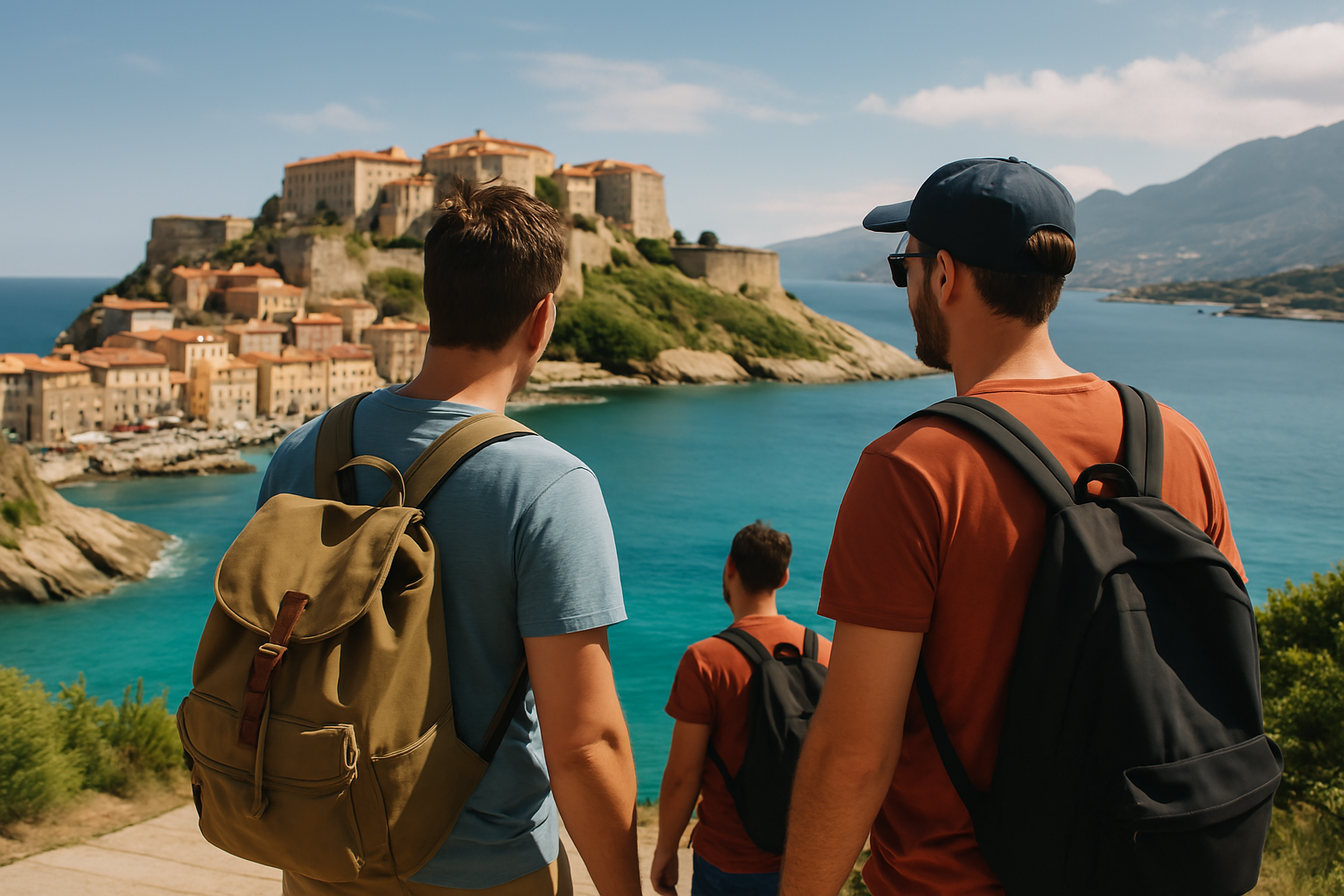
Imagine a Mediterranean island where the coastline alternates between white sand beaches and dramatic cliffs, where centuries-old Genoese towers stand watch over silent coves, and where villages seem to cling to hillsides, their stone houses glowing in the late afternoon sun. Now add a twist of French-Italian cultural fusion, a legacy of passionate politics, and a deep-rooted connection to the land that is unlike anywhere else in France. This is Corsica.
For many, Corsica is synonymous with Napoleon Bonaparte, its most famous son. But Corsica’s history stretches back far before the future emperor took his first steps in Ajaccio. It’s a land of shepherds, rebels, and poets; of vendettas and independence movements; of dialects and traditions fiercely preserved.
The island is both fiercely French and fiercely not. While it has been part of France since 1769, Corsican culture retains an identity all its own. The Corsican language (Corsu) is still spoken, especially in the interior. Corsican polyphonic music echoes through churches and concert halls. And Corsicans themselves are known for their unyielding pride—in their food, their landscapes, their roots.
In this blog article, we’ll take you deep into the essence of Corsica: its landscapes, history, culture, and language. We’ll explore the legacy of Napoleon, the wild beauty of the island’s terrain, the character of its people, and why Corsica matters so much to France—and yet, always apart. Whether you're planning a trip or just love cultural discovery, this is your guide to understanding Corsica.
1. Napoleon Bonaparte: Born Corsican, Died French
Napoleon Bonaparte was born in Ajaccio, Corsica in 1769, just months after France officially took control of the island from Genoa. Although he would go on to become Emperor of the French and one of the most influential figures in European history, Napoleon's early identity was steeped in Corsican nationalism.
His family, of minor Italian nobility, originally opposed French rule, and Napoleon himself was sent to French military school speaking Corsican and Italian—not French. He was mocked for his accent and provincial background, experiences that helped shape the complex identity politics he would later navigate as a ruler.
Today, Napoleon’s legacy is everywhere in Ajaccio. You can visit his birthplace, now the Maison Bonaparte museum. Statues, street names, and squares commemorate him across the city. But Corsicans have an ambivalent relationship with their most famous native son. While he is a source of pride, he also "became French," and to many Corsicans, that means leaving part of his identity behind.
Visiting Napoleon’s childhood home, you gain not only insight into his family and upbringing but also into the fragile line Corsica walks between independence and integration.
2. The Wild Heart of Corsica: Mountains, Forests, and Cliffs
Corsica is often described as a mountain in the sea. And it’s true: the island is dominated by a central spine of jagged peaks, with Monte Cinto rising to 2,706 meters (8,878 feet). These mountains divide the island both physically and culturally, isolating communities and fostering strong regional identities.
Hiking here is world-class. The GR20 trail, one of the most challenging in Europe, takes you across the island from north to south. But even if you’re not a serious trekker, there are dozens of smaller trails leading to glacial lakes, waterfalls, and remote hamlets.
The maquis (Corsican scrubland) fills the air with the scent of herbs—myrtle, rosemary, lavender, thyme. It’s a defining feature of the landscape and plays a major role in local cuisine and folklore. The rugged coastline offers jaw-dropping views and secluded beaches. Inland, chestnut forests give way to granite cliffs and deep gorges.
Wild boar roam the hills, eagles soar overhead, and in the most remote areas, silence rules. This is where you feel Corsica in your bones.
3. Corsican Identity: Language, Music, and Independence
To understand Corsica, you must understand how deeply its people value their identity. Corsica has its own language—Corsu—which is more closely related to Italian and Sardinian than to French. Though French is the official language, Corsu is still spoken in many villages and taught in some schools. There have even been movements to make it co-official alongside French.
Corsican music is another vital expression of identity. Traditional polyphonic singing is haunting, powerful, and deeply moving. Often performed in churches or at festivals, it involves complex harmonies sung without accompaniment. It’s spiritual, emotional, and distinctly Corsican.
Political pride runs deep here. In the 20th century, there was a strong independence movement, and even now, some Corsicans advocate for greater autonomy or outright independence. Corsican flags fly everywhere—often alongside or instead of the French tricolor. Graffiti calling for freedom and slogans like "Corsica is not France" remind visitors that identity here is an ongoing negotiation.
4. Food and Flavor: The Taste of the Island
Corsican cuisine reflects its geography and history: rustic, bold, and rooted in the land. You’ll find wild boar stews (civet de sanglier), chestnut-based polenta (pulenta), and brocciu cheese made from sheep or goat milk.
Charcuterie is a point of pride. Corsican cured meats—like figatellu and coppa—are rich, flavorful, and often come from pigs raised wild in the maquis. Seafood also plays a role, especially in coastal towns: sea bream, mussels, and octopus are common.
Don’t miss the local wines, especially those from Patrimonio and Ajaccio, or the liqueurs made from myrtle and chestnut. And for dessert? Try fiadone, a Corsican cheesecake made with brocciu and lemon zest.
Food here is not just nourishment—it’s cultural preservation. Recipes are passed down through generations. Ingredients are foraged, hunted, and harvested locally. Every bite tells a story.
5. Corsica Today: Tourism, Sustainability, and Change
Corsica faces a delicate balancing act. Tourism is essential to the economy, but locals are wary of overdevelopment. Unlike parts of the French Riviera, Corsica has resisted mass tourism. There are no mega resorts or high-rise hotels. Many beaches are untouched. Villages still feel authentic.
Yet the island is changing. Climate change affects agriculture and biodiversity. Young people often leave for jobs on the mainland. Property prices in some areas have surged due to interest from foreign buyers, leading to tensions over land use and housing.
At the same time, there is a growing movement for sustainable tourism, local entrepreneurship, and cultural revival. Festivals celebrate Corsican music and dance. Artisan markets promote island-made goods. And there’s a renewed interest among young Corsicans in learning the language and preserving traditions.
Conclusion: Corsica in the French Imagination
Corsica defies easy labels. It’s French, but not quite. Mediterranean, but rugged. Welcoming, but fiercely private. It is a place that demands respect—for its history, its land, and its people.
To visit Corsica is to experience a piece of France that feels like its own world. You can walk Napoleon’s childhood streets, swim in turquoise bays, hike through silent forests, and listen to voices singing songs older than the republic itself. And you’ll come away changed.
At Polyglottist Language Academy, we believe in learning language through deep cultural understanding. Whether you're studying French or exploring the many regions that give the language its color and soul, Corsica is a powerful reminder of why language and culture are inseparable.
👉 Explore our French programs here
Discover More on Our Blog: