
Russian Numbers and Counting: From 1 to 1,000,000
Russian Numbers and Counting — From 1 to 1,000,000
Introduction: Why Numbers Matter in Russian Life
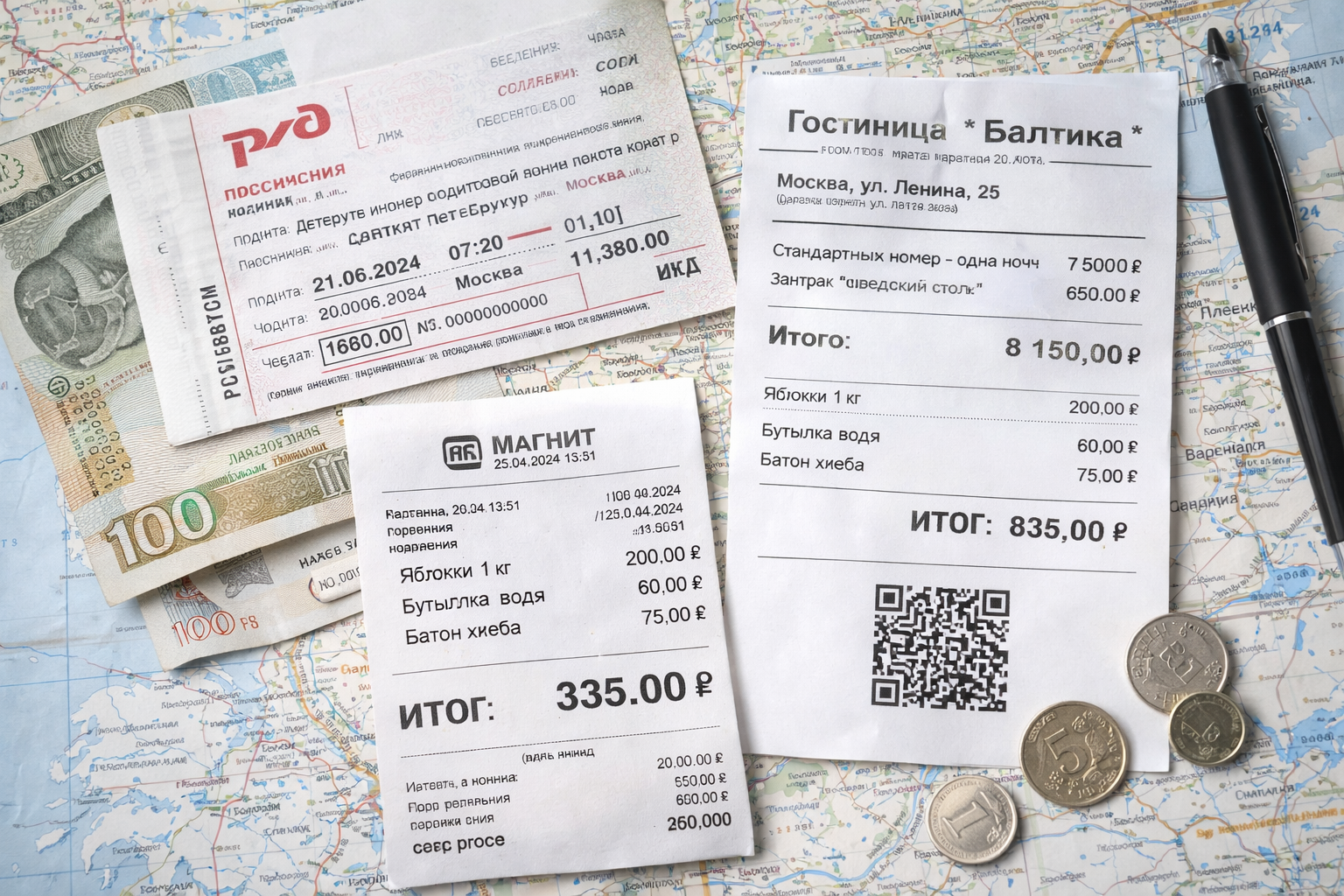
Numbers are everywhere — on street signs, bus tickets, shopping receipts, and travel itineraries. For English-speaking learners of Russian, mastering numbers isn’t just an early vocabulary task; it’s the key to navigating daily life with ease. Whether you’re buying fresh пирожки (pirozhki) at a Moscow market, giving your phone number to a new friend, or reading the time at a train station, numbers appear in nearly every exchange.
The good news? Russian numbers follow clear, logical patterns. Once you learn the foundation and rhythm of the language, bigger numbers stop feeling intimidating. Even millions and billions can be built step-by-step from a few simple rules. Let’s take you from один (odin — one) to один миллион (odin million — one million) with confidence.
Numbers 1–10: The Foundation
Every learner begins here. The numbers from one to ten form the base for everything that follows.
NumberRussianTransliterationPronunciation Tip1одинodin“odin” with stress on last syllable; changes form with gender2дваdvashort and sharp “v” sound3триtrisimple and clear “tree” sound4четыреchetyresoft “ch” at start5пятьpyat’soft ending — tongue touches palate on “t’”6шестьshest’“shyest”7семьsem’almost “syem”8восемьvosem’silent “ь,” smooth ending9девятьdevyat’stress on first syllable10десятьdesyat’“dyesyat” with light “ye” sound
Pattern insight:
Each number is unique, but most will become building blocks for larger numbers.
Pay attention to soft sign “ь,” which affects pronunciation but is silent.
One special case: один changes with gender — одна (one, feminine), одно (one, neuter), and одни (plural).
Practice idea: Try counting objects around you: один стол (one table), две ручки (two pens), три книги (three books).
Numbers 11–19: The “-надцать” Pattern
Now the fun part — Russian “teen” numbers. Fortunately, they follow a consistent pattern.
All numbers from 11 to 19 end with –надцать (-nadtsat’), similar to “-teen” in English. The first part of the word comes from the base number, though with slight changes in some stems.
EnglishRussianTransliterationStructure11одиннадцатьodinnadtsat’один + надцать12двенадцатьdvenadtsat’два → двe- before suffix13тринадцатьtrinadtsat’straightforward14четырнадцатьchetyrnadtsat’shorter root15пятнадцатьpyatnadtsat’“five + nadtsat”16шестнадцатьshestnadtsat’note “shest,” not “shesti”17семнадцатьsemnadtsat’drop “ь”18восемнадцатьvosemnadtsat’drop “ь”19девятнадцатьdevyatnadtsat’drop “ь”
You can feel the rhythm repeating: base number + “надцать.”
Say them aloud in a row several times — they have a song-like cadence that helps them stick.
Numbers 20–100: Building Blocks of Tens
Once you master the first twenty, the rest of the tens follow logic with a few quirks.
TensRussianTransliterationNotes20двадцатьdvadtsat’“dva” + “dtsat”30тридцатьtridtsat’clear pattern40сорокsorokirregular — no “dtsat” ending50пятьдесятpyat’dyesyat“five + desyat”60шестьдесятshest’dyesyat“six + desyat”70семьдесятsyem’dyesyat80восемьдесятvosem’dyesyat90девяностоdevyanostoirregular, no “desyat” ending100стоstoa single simple word
To combine tens and units:
Simply place the unit number after the ten — no “and” like in English.
21 = двадцать один (dvadtsat’ odin)
32 = тридцать два (tridtsat’ dva)
47 = сорок семь (sorok sem’)
When speaking, Russians group numbers naturally, so a rhythm develops. Try saying “двадцать два, двадцать три, двадцать четыре” out loud; you’ll hear the pattern immediately.
Hundreds: 100 to 900
After сто (sto — one hundred), hundreds repeat with patterns worth noticing.
NumberRussianTransliteration100стоsto200двестиdvesti300тристаtrista400четырестаchetyresta500пятьсотpyat’sot600шестьсотshest’sot700семьсотsyem’sot800восемьсотvosem’sot900девятьсотdevyat’sot
Hundreds 500–900 end with “сот” (sot), while the first part comes from the base number.
Example combinations:
125 = сто двадцать пять (one hundred twenty-five)
340 = триста сорок (three hundred forty)
999 = девятьсот девяносто девять (nine hundred ninety-nine)
Say them slowly at first, then faster each repetition to build fluency.
Thousands, Millions, and Beyond
Here the real fun begins! Once you know hundreds, scaling up is simple.
The key word “тысяча” (tysyacha) means thousand (feminine).
Plural forms change like normal nouns:
1,000 = одна тысяча
2,000 = две тысячи
5,000 = пять тысяч
Examples:
1,245 = одна тысяча двести сорок пять.
10,000 = десять тысяч.
25,000 = двадцать пять тысяч.
Next, add scale:
миллион (million)
1,000,000 = один миллион
3,000,000 = три миллиона
5,000,000 = пять миллионов
Once you see how each large number breaks neatly into the same building blocks, the Russian system becomes reassuringly logical.
Grammar with Numbers: The Trick Every Learner Meets
Numbers don’t just count nouns — they change how nouns appear in Russian! This is one of the most characteristic (and sometimes confusing) parts of the language.
Key rules:
After 1 → nominative singular
1 книга (odna kniga — one book)
After 2, 3, 4 → genitive singular
2 книги (dvie knigi — two books)
After 5 and higher → genitive plural
5 книг (pyat’ knig — five books)
Why does this matter?
Because using the wrong noun form can sound unnatural or even confusing.
Examples with people:
1 студент
2 студента
5 студентов
Like many Russian grammar patterns, it becomes intuitive with repetition. Try writing short mini-dialogues with objects available to you:
— Сколько у тебя карандашей?
— У меня пять карандашей.
(“How many pencils do you have?” “I have five pencils.”)
Real-Life Usage: How Numbers Work in Daily Russian
Learning numbers is practical, not theoretical. Let’s see where they appear most in daily Russian:
Prices
Это стоит сто рублей. — This costs 100 rubles.
Две тысячи рублей — Two thousand rubles.
Numbers here must agree with the right currency word — рубль, рубля, рублей — following the same pattern: 1 рубль, 2 рубля, 5 рублей.
Time
Сейчас три часа. — It’s three o’clock.
Без пятнадцати восемь. — A quarter to eight.
Dates
Двадцать третье марта. — The twenty-third of March.
Dates use ordinal numbers (first, second, third), which follow a separate pattern learners meet soon after mastering basic counting.
Phone Numbers
Phone numbers are usually read in pairs or small groups:
8 (912) 345-67-89 → восемь девять двенадцать, три сорок пять, шестьдесят семь, восемьдесят девять.
Listening practice with phone numbers is an excellent exercise for distinguishing digit pronunciation.
Addresses
Улица Пушкина, дом двадцать один. — Pushkin Street, house 21.
This format is very common and worth memorizing.
Numbers aren’t isolated — they make your everyday communication smoother and more natural.
Common Mistakes (and How to Avoid Them)
Even dedicated learners trip over number patterns sometimes. Here’s what to watch out for:
Pronunciation slips: final soft sign “ь” is silent but changes sound, especially in семь (7) and восемь (8).
Confusing similar sounds: 13 (тринадцать) and 30 (тридцать) differ by a single syllable. Listen and repeat aloud.
Wrong noun forms: After 2–4, use genitive singular; after 5+, genitive plural.
Stress shifts: Some words change stress location; hearing native audio helps consolidate this.
To fix these, combine listening and speaking: repeat aloud, copy pronunciation rhythms from recordings, and create your own short counting sentences daily.
Learning Tips That Actually Work
Memorizing lists rarely sticks. Real fluency with numbers comes from exposure and patterns.
1. Chunk it.
Group numbers into small bite-sized sets: 1–10, then 11–19, then the tens, then hundreds.
2. Visualize them.
Use sticky notes or flashcards — write 25 on one side, двадцать пять on the other.
3. Practice with real life.
Count euros or rubles, stairs, or objects near you — language connects better when used meaningfully.
4. Listen actively.
Watch Russian YouTube videos, look at the clock in Russian, or listen to weather reports for temperature numbers.
5. Build small conversations.
Ask and answer:
Сколько сейчас времени? — What time is it now?
Сколько это стоит? — How much does it cost?
Numbers are practical, so use them daily!
Mini Practice Section
Try applying what you’ve learned!
A. Write these numbers in words (Russian with transliteration):
24
78
1050
B. Translate from English → Russian:
Five apples.
Twenty-three books.
One thousand rubles.
C. Fill in the blanks:
_____ (ten) тысяч рублей.
У меня _____ (two) собаки.
Это стоит _____ (forty-five) евро.
Suggested answers (check yourself after trying):
A. двадцать четыре (24), семьдесят восемь (78), тысяча пятьдесят (1050)
B. пять яблок, двадцать три книги, одна тысяча рублей
C. десять, две, сорок пять
Keep reviewing aloud until each feels natural — fluency comes with familiarity.
FAQs: Common Learner Questions About Russian Numbers
1. Do Russians always say numbers in full words?
Not necessarily. In informal speech, especially with larger numbers, people may shorten or use context cues. But it’s best for learners to say numbers fully for clarity.
2. Are there ordinal numbers (first, second, third)?
Yes! They appear in dates, rankings, and order (e.g., первый — first, второй — second). After mastering cardinal numbers, move on to ordinals next.
3. Do I need to memorize all declensions for big numbers?
At beginner or intermediate level, focus on nominative and common patterns first. Cases for compound numbers come later through exposure.
4. How are decimals or fractions said?
Russians use commas instead of decimal points (1,5 = one and a half). Fractions use genitive (половина яблока — half an apple).
5. Are numbers pronounced differently in formal vs. everyday Russian?
Not much, though tempo slows slightly in formal speech. Understanding rhythm is more important than style difference.
Learn Russian Numbers (and More) with Polyglottist Language Academy
If you’re ready to move beyond memorization into speaking with confidence, structured classes make a difference. At Polyglottist Language Academy, our native instructors help learners internalize grammar and pronunciation through real-life contexts — including practical mastery of numbers, cases, and spoken fluency.
Whether you’re preparing for travel, work, or deeper cultural immersion, small class groups and personalized lessons make Russian feel natural — not intimidating. Explore upcoming beginner and intermediate Russian courses here.
More to Explore: Related Russian Articles
If you enjoyed learning about Russian numbers, you’ll love these other topics on the blog:
Beyond “Спасибо”: How Russians Actually Say Thank You (And When It Really Matters)
Essential Russian Pronouns: Personal, Possessive, And Reflexive
Building Your First 50 Russian Verbs: A Beginner’s Blueprint
Learn Russian Online In Seattle: Language, Culture, And Real Conversation
Online Russian Classes In Palo Alto: Language Learning For Global Thinkers
Learn Russian Online In Los Angeles: Flexible Classes For Busy Creatives & Professionals
Learn Russian Like A Native: Classes In San Francisco And Berkeley