
Tapas Culture Explained: Why Spaniards Love to Share Plates
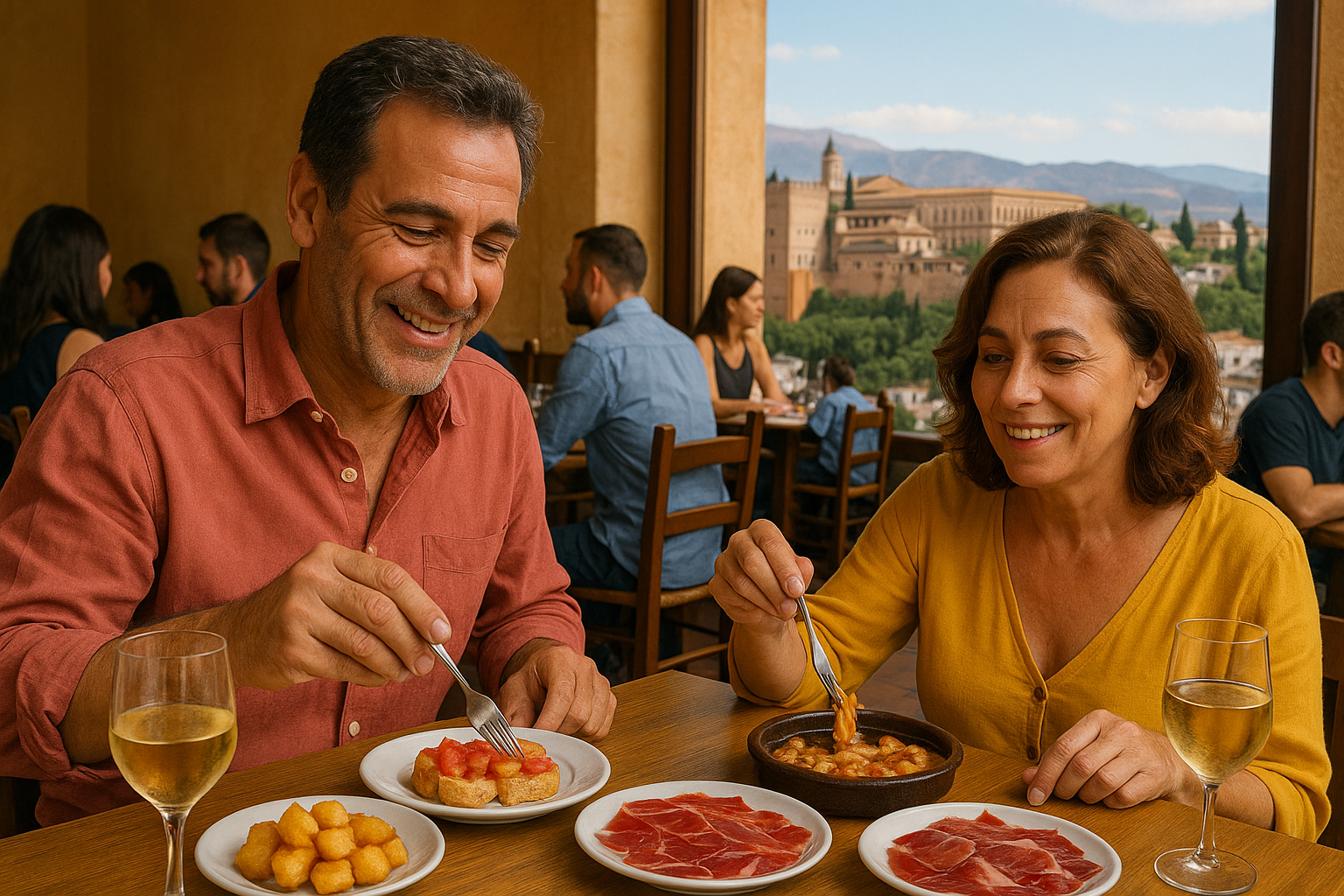
The first thing that surprises many travelers when they sit down to eat in Spain—whether in a tiny bar in Granada, a coastal tavern in San Sebastián, or a lively plaza in Madrid—is that the experience of dining feels less like an isolated little bubble around your table and more like a social current you are invited to join, a kind of collective rhythm powered by conversation, movement, and above all, plates meant not for one person, but for everyone at once. Tapas culture is not simply about food; it’s a worldview, a philosophy of eating, and a quiet but powerful insight into how Spaniards think about time, friendship, pleasure, and community. And if you truly want to understand the Spanish language, learning why people share plates may teach you almost as much as a grammar book.
For many visitors—especially from countries where “my plate is my plate”—the tapas system feels both magical and slightly mysterious. How do people decide what to order? Why do the plates keep coming? Why does no one seem in a rush to finish anything? Why are Spaniards so good at switching seamlessly between bites, jokes, debates, and another wander to another bar? Why does one tapa arrive free in some cities and cost €4 in others? And what does all this say about Spain itself?
This article is your deep dive into the world of tapas: its roots, its unwritten rules, the cultural values behind it, the regional variations, and the way it shapes how Spaniards communicate—not only at the table but in life. Consider this both a cultural guide and a language-learning lens, especially if you’re studying Spanish and want to understand why this cuisine feels so alive.
1. What Tapas Really Are (and What They Aren’t)
Most tourists think tapas are “small plates.” That’s not wrong—but it’s also incomplete.
Tapas, historically, have more to do with movement than portion size. A tapa is something you eat between other activities: between two errands, two bars, two conversations, two hours of strolling. Tapas were never designed to be a three-course, sit-down dinner. They’re snacks that became social glue.
In many regions, people eat standing up while talking. They order one drink and get a tapa. Then they order another and walk to the next bar. It’s a rhythm—a tapeo, which is the Spanish verb meaning “to go out for tapas.”
Tapas ≠ Raciones ≠ Pintxos
Spain has vocabulary for all the different forms of “small sharing foods”:
Tapas – individual small bites (sometimes free, sometimes cheap).
Raciones – larger shared portions meant for the table.
Pintxos – Basque-style skewered bites, often served on bread.
Travelers often use these words interchangeably, but Spaniards don’t. A ración is closer to a dish you truly share. A tapa is often your bite, even if you share several with the group. Pintxos are a world of their own—often more artistic and elaborate, especially in Bilbao and San Sebastián.
Understanding these subtleties is an essential part of understanding Spanish culture itself: words matter, context matters, and small differences express bigger ideas.
2. The Origins of Tapas: Myths, Realities, and Royal Anecdotes
Ask a Spaniard how tapas started and you’ll hear several stories—many historically fuzzy, all culturally true.
The “Cover Your Drink” Story
One legend claims bartenders placed a slice of bread or ham on top of drinks to keep dust and flies out. Since tapa means “cover,” the story sticks easily in people’s memory. Whether this exact practice birthed tapas is debatable, but it reflects a core Spanish instinct: combine practicality with enjoyment.
The Alfonso X Law
Another tale says King Alfonso X “El Sabio” (The Wise) decreed that wine should never be served without food, fearing drunkenness. True or not, it does highlight something real: tapas slow down drinking; they’re a moderation tool disguised as hospitality.
The Andalusian Evolution
Most historians agree the tradition blossomed in Andalusia, where warm evenings, large plazas, and strong communal traditions turned bars into places to socialize endlessly. A tapa encouraged you to stay for one more drink and one more chat.
The Basque Pintxo Revolution
In northern Spain, especially the Basque Country, tapas evolved into pintxos—a more elaborate, culinary competition between chefs, with an added system: you keep toothpicks to count how many you’ve eaten and pay at the end.
Regardless of the origin you prefer, every story expresses a core truth: tapas emerged because Spaniards value connection over consumption, conversation over courses, and slowing down over speeding up.
3. The Social Philosophy Behind Sharing Plates
Sharing food in Spain is not a custom—it’s a worldview.
A. Communal Living Runs Deep
Spain’s social life happens in public spaces: plazas, bars, sidewalks, open-air terraces. Sharing plates mirrors how Spaniards share space, time, and stories.
A large dish in the center of the table sends a message:
We are here together, and everything belongs to the group.
B. No Rush, No Pressure
Spanish dining is famously unhurried. Tapas culture enforces this:
You don’t order everything at once.
You don’t have to commit to a big meal.
You can leave whenever you want.
You can join late or leave early.
You can hop between locations.
It’s flexible, fluid, and spontaneous—traits deeply tied to Spanish daily life.
C. Conversation Matters More Than the Food
Spaniards adore food, but they love talking even more.
Tapas allow conversations to breathe because there is no beginning, middle, and end to the meal. There’s just a flow.
The absence of rigid structure creates space for connection: a story here, a joke there, a debate, a compliment, a gesture to the waiter for “otra ronda” (another round). Language learners often discover that tapas are the best way to practice Spanish without pressure.
4. The Regional Differences: Tapas Across Spain
Spain is not a monolith, and neither is its food culture. Tapas vary dramatically from city to city.
A. Andalusia – The Home of the Free Tapa
Granada and Jaén are famous for the free tapa system: order a drink, get a plate—sometimes generous, always delicious.
Expect:
Fried fish in Málaga
Salmorejo in Córdoba
Dishes with Moorish influence
In Seville, tapas are not free, but the tradition of hopping from bar to bar remains strong.
B. Madrid – The Classic Bar Experience
Madrid blends traditional tapas with a more urban, cosmopolitan vibe.
Typical tapas:
Tortilla española
Gambas al ajillo
Patatas bravas
Croquetas
Bars range from century-old taverns to modern gastro-tapas spots.
C. The Basque Country – Pintxo Heaven
This region cultivated a more artistic approach:
Pintxos often cost €2–4
Usually displayed on bar counters
Toothpick-counting payment method
Known for high gastronomic standards
San Sebastián, in particular, is world-famous for pintxos.
D. Catalonia – A Mix of Tapas and Local Plates
Barcelona didn’t traditionally have tapas culture, but today it’s a fusion hub.
Expect influences from:
Mediterranean seafood
Local Catalan cuisine
Modern creative tapas restaurants
E. Galicia – Seafood Lovers’ Paradise
In Galicia, you’ll find:
Octopus (“pulpo á feira”)
Razor clams
Mussels
Local cheeses and empanadas
Tapas here feel rustic, fresh, and deeply tied to the sea.
5. Tapas Vocabulary Every Spanish Learner Should Know
Tapas are a fantastic way to learn Spanish because they involve constant, natural interaction. Here are essential words and phrases:
Common Vocabulary
Tapa – small bite
Ración – shared portion
Media ración – half portion
Pintxo – Basque-style skewer
Barra – bar counter
Mesón / taberna – traditional tavern
Cuenta – bill
Camarero/a – waiter/waitress
Useful Phrases
¿Qué nos recomienda?
What do you recommend for us?Ponme otra ronda.
Get us another round.¿Cuánto cuesta este pintxo?
How much is this pintxo?Vamos de tapeo.
Let’s go out for tapas.¿Tiene una mesa para cuatro?
Do you have a table for four?Compartimos todo.
We’ll share everything.
These phrases don’t just help you order—they help you feel like a local.
6. The Unwritten Rules of Tapas Culture
Tapas culture is full of subtle social cues:
Rule 1: Don’t Order Everything at Once
Tapas are meant to come slowly, giving time to talk and taste.
Rule 2: Sharing Is Expected
It’s normal to reach for the center of the table.
Rule 3: Movement Is Part of the Experience
One bar rarely equals one night.
Rule 4: The Bill Is Often Shared
Splitting evenly is common, even if someone ate a bit more.
Rule 5: Don’t Hover Over One Table for Hours in Busy Areas
Tabernas depend on turnover, especially in tourist-heavy cities.
Rule 6: Don’t Be Afraid to Stand
Standing at the bar is often where the real action is.
7. Why Tapas Teach You More About Spanish Culture Than You Expect
Tapas illuminate several Spanish values:
A. Social Warmth
Spain’s friendly, open, talkative nature is crystallized in tapas culture. Language learners benefit greatly from this environment.
B. Flexibility
Spaniards value spontaneity and flow—qualities reflected in how they eat.
C. Egalitarianism
Everyone shares, everyone participates, and everyone’s contribution matters.
D. Culinary National Pride
Tapas show the diversity of Spain’s regions, ingredients, and traditions.
8. A Traveler’s Guide: How to Order Tapas Like a Local
1. Start at a Busy Bar
Crowds mean fresh turnover and great food.
2. Order Only 1–2 Items at First
Then add more depending on mood.
3. Don’t Sit If Everyone Else Is Standing
Follow the energy of the place.
4. Ask the Waiter What’s Fresh
Locals rely on recommendations.
5. End the Night with Something Sweet or Classic
Like tarta de Santiago, flan, or hot churros if the night runs late.
9. How Tapas Help You Learn Spanish Faster
Tapas create ideal conditions for natural language learning:
Short conversations with bartenders
Exposure to regional accents
Listening to fast, real Spanish
Using food vocabulary in context
Social interactions with locals
Opportunities to practice ordering
Tapas turn language learning into life learning.
10. The Emotional Side of Tapas: Why They Matter
Beyond food, beyond history, tapas embody something deeply human: the joy of being together. Spaniards don’t rush meals because they see food as time well spent—time shared. Tapas remind us that pleasure is not in the quantity, but the connection.
FAQs
1. Are tapas meant to replace a full meal?
Sometimes yes, sometimes no. It depends on the night and the group.
2. Why do some regions give tapas for free?
Tradition and local custom, especially in Andalusia.
3. Is it rude not to share?
If you’re in a tapas context, sharing is the norm.
4. How many tapas make a meal?
Three to five, depending on appetite and size.
5. Do you tip in Spain?
Tipping isn’t obligatory, but rounding up or leaving 5–10% is appreciated.
6. What time do people eat tapas?
From late afternoon until late night—Spaniards eat later than most countries.
7. Do Spaniards eat tapas at home?
Rarely. Tapas are primarily a bar culture.
8. Is it okay to order tapas alone?
Absolutely—though tapas shine most in groups.
Learn Spanish the Authentic Way with Polyglottist Language Academy
If tapas culture fascinates you, imagine how much deeper your experience of Spain will be once you speak the language confidently.
At Polyglottist Language Academy, we offer:
Complete Beginner to Advanced Spanish
Small-group classes (online and in-person)
Cultural immersion, not just grammar
Warm, supportive instructors
Practical Spanish you can use while traveling in Spain or Latin America
Ready to speak Spanish with confidence?
👉 Sign up for our Spanish classes today!