
7 Portuguese Cheeses You’ve Never Heard Of
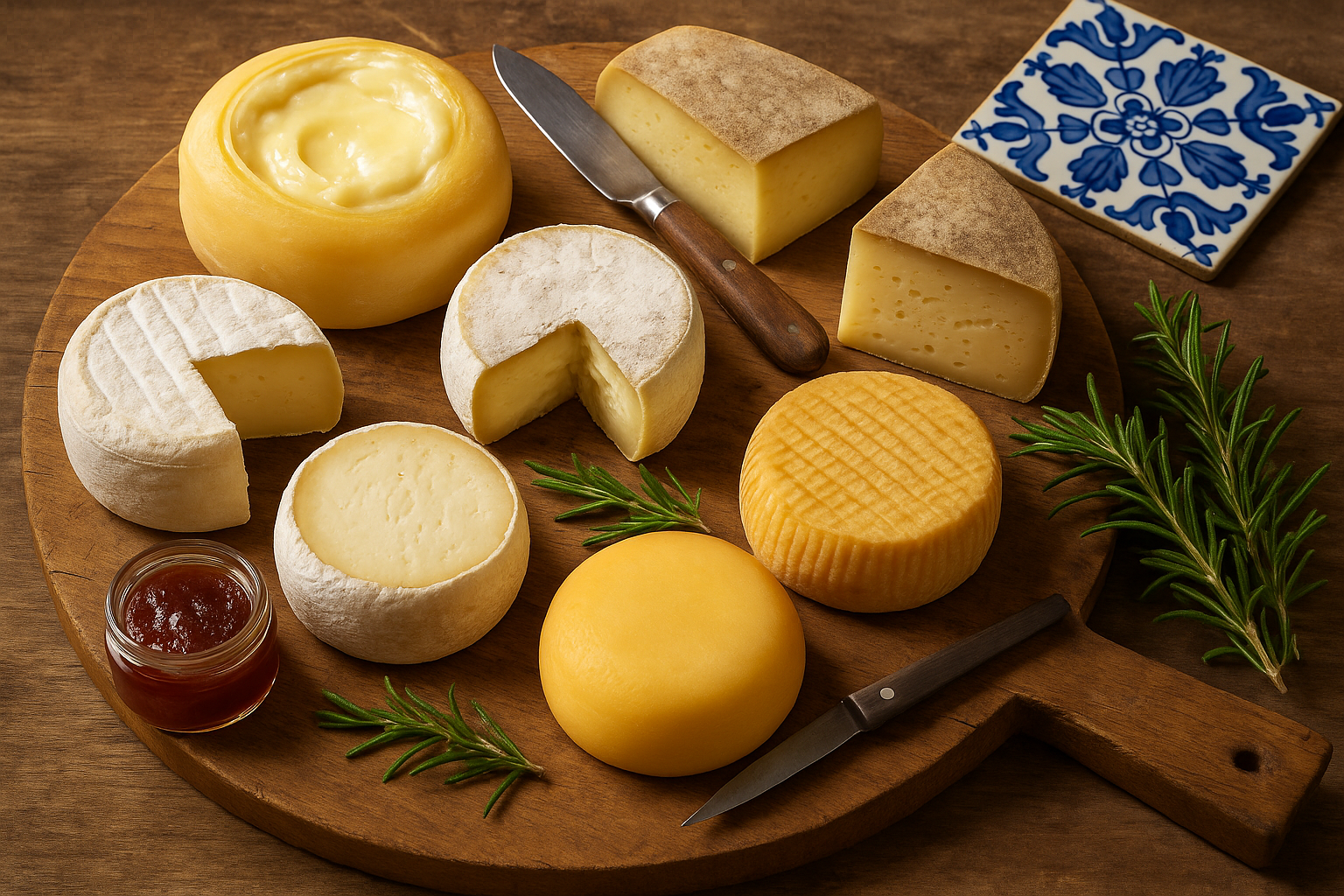
When the conversation turns to European cheese, most people immediately think of French brie, Italian parmesan, or Spanish manchego. Portugal, however, quietly hides one of the most fascinating and diverse cheese traditions in Europe. Despite the country’s relatively small size, its varied geography—from rugged mountain pastures to lush river valleys and volcanic islands—has given rise to an astonishing variety of artisanal cheeses. Many of these remain largely undiscovered outside of Portugal, overshadowed by their more famous European counterparts. But to those who know them, Portuguese cheeses represent some of the most unique and flavorful dairy creations in the world.
Cheese has been part of Portugal’s rural life for centuries. Shepherds in the mountains of Serra da Estrela perfected creamy sheep’s milk cheeses using thistle flower instead of animal rennet, while islanders in the Azores developed firm, spicy cheeses shaped by Atlantic winds and volcanic soil. Every region has its specialty, tied deeply to local identity and traditions. What’s fascinating is how many of these cheeses rarely appear on international menus, even though they’re beloved in Portugal itself.
In this article, we’ll explore seven Portuguese cheeses you’ve probably never heard of—from creamy wheels that ooze onto your plate like molten butter to robust, spicy cheeses aged in cellars until they pack a punch. By the end, you’ll not only want to seek these cheeses out on your next trip to Portugal but also appreciate how cheese, like language, reflects the culture and history of a nation.
1. Serra da Estrela: The Queen of Portuguese Cheeses
Let’s start with the best known within Portugal, though still rare abroad. Queijo da Serra da Estrela is made in the mountains of central Portugal from raw sheep’s milk and coagulated with thistle flower rennet, a unique local tradition.
Texture: Soft, creamy, almost spoonable.
Flavor: Rich, earthy, slightly tangy, with herbal notes from the thistle.
How to eat: Traditionally sliced open at the top and scooped with bread.
This cheese is deeply tied to Portugal’s identity, so much so that it has Protected Designation of Origin (PDO) status. Yet outside Portugal, it’s almost a secret treasure.
2. Azeitão: Creamy and Intense
From the Setúbal region near Lisbon comes Queijo de Azeitão, another sheep’s milk cheese made with thistle rennet. It’s smaller than Serra da Estrela but just as luscious.
Texture: Soft, creamy, almost liquid when ripe.
Flavor: Strong, earthy, with a slight bitterness and an unmistakable aroma.
How to eat: Spread over rustic bread or enjoyed with a glass of local Moscatel wine.
Many visitors to Lisbon never realize that just a short trip away lies one of Portugal’s boldest cheeses.
3. São Jorge: The Cheese of the Azores
Produced on the volcanic island of São Jorge in the Azores, Queijo São Jorge is Portugal’s answer to cheddar or gouda, but with its own Atlantic twist.
Texture: Semi-hard to hard, depending on aging.
Flavor: Spicy, tangy, with hints of salt carried by ocean breezes.
How to eat: On its own, with wine, or grated into dishes.
The cheese has been produced for over 500 years, introduced by Flemish settlers. It remains a staple of Azorean life and one of the few Portuguese cheeses you might spot abroad—though still rare.
4. Nisa: Rustic Elegance from Alentejo
From the wide plains of Alentejo comes Queijo de Nisa, a sheep’s milk cheese also made with thistle rennet.
Texture: Semi-hard, with small holes and a firm consistency.
Flavor: Herbal, slightly sour, with a lingering aftertaste.
How to eat: Sliced thinly with cured meats and olives, typical of Alentejo’s rustic cuisine.
Nisa reflects the simplicity and strength of Alentejo culture: hearty, straightforward, and satisfying.
5. Rabaçal: Cheese with Herbs in Its Soul
Queijo Rabaçal comes from central Portugal, where goats and sheep graze on fields filled with wild herbs, especially Santa Maria herb (a type of thyme).
Texture: Semi-hard.
Flavor: Herbaceous, aromatic, with a unique complexity imparted by the animals’ diet.
How to eat: With regional bread and local red wine.
This is a perfect example of terroir in cheese-making—the landscape itself flavors the cheese.
6. Serpa: The Spicy Cheese of Alentejo
Back to Alentejo, Queijo de Serpa is famous for its pungency. Made from sheep’s milk and aged in cellars, it develops an intense aroma.
Texture: Semi-soft, creamy when young, firmer when aged.
Flavor: Sharp, spicy, with a slightly sour edge.
How to eat: Often enjoyed with robust Alentejo red wines, balancing intensity with intensity.
Serpa is a cheese for those who love bold flavors—it doesn’t whisper, it shouts.
7. Castelo Branco: A Hidden Gem
From the Beira Baixa region, Queijo de Castelo Branco comes in both sheep’s milk and goat’s milk versions.
Texture: Semi-soft to semi-hard, depending on age.
Flavor: Buttery and slightly tangy for the sheep’s version, sharper and more aromatic for the goat’s version.
How to eat: Ideal for cheese boards, offering contrast in one regional specialty.
This cheese is less known even within Portugal, but it’s beloved by locals for its balance of creaminess and flavor.
Why Portuguese Cheese Remains Undiscovered
So why haven’t these cheeses conquered the world like French or Italian varieties? Several reasons:
Production Scale: Many are artisanal and produced in limited quantities.
Export Challenges: Strict EU regulations and small production make export rare.
Overshadowed by Wine: Portugal is internationally famous for wine (Port, Vinho Verde), so cheese gets less attention.
But within Portugal, cheese is central to local gastronomy—an essential pairing with bread, wine, and olives.
The Cultural Meaning of Cheese in Portugal
Cheese in Portugal is more than food—it’s tied to identity. Shepherding traditions, family-run dairies, and regional pride all shape cheese-making. In Serra da Estrela, families guard recipes passed down for generations. In the Azores, cheese represents the islanders’ resilience and resourcefulness. Each cheese tells a story about its landscape and people.
Pairing Portuguese Cheeses
No exploration of cheese is complete without pairings:
Serra da Estrela: Pair with Dão or Bairrada red wines.
Azeitão: Enjoy with Moscatel de Setúbal.
São Jorge: Perfect with fortified wines or robust reds.
Nisa: Matches beautifully with Alentejo reds.
Rabaçal: Complements herbal white wines.
Serpa: Needs a bold Alentejo red.
Castelo Branco: Flexible, pairing well with both reds and whites.
FAQs
1. Are Portuguese cheeses pasteurized?
Most traditional varieties are made from raw milk, though pasteurized versions exist for export.
2. Why do Portuguese cheeses use thistle rennet?
This plant-based rennet is a centuries-old tradition in Portugal, giving cheeses unique herbal flavors.
3. Can I find Portuguese cheeses outside Portugal?
Some, like São Jorge, are exported, but most are rare abroad. Specialty shops may carry them.
4. What makes Portuguese cheese different from Spanish manchego?
Portuguese cheeses often use thistle rennet, which gives them a more herbal and tangy flavor compared to manchego’s nutty profile.
5. Are Portuguese cheeses vegetarian?
Many thistle-rennet cheeses are technically vegetarian-friendly, unlike those using animal rennet.
6. Do all regions of Portugal produce cheese?
Yes, though central and northern regions, plus the Azores, are most famous.
7. What’s the best way to eat Portuguese cheese?
With rustic bread, local olives, and Portuguese wine—it’s a cultural experience as much as a meal.
8. Why aren’t Portuguese cheeses as famous internationally?
Small-scale production and focus on local markets keep them relatively unknown abroad.
Conclusion: Rediscover Portugal Through Cheese
Portuguese cheeses may not be as globally recognized as French brie or Italian gorgonzola, but they offer flavors and traditions unlike anything else in Europe. From the creamy Serra da Estrela to the herbaceous Rabaçal and the volcanic São Jorge, these cheeses reflect the landscapes, histories, and identities of Portugal’s diverse regions. Exploring them is like tasting Portugal itself.
At Polyglottist Language Academy, we believe language and culture go hand in hand. Learning Portuguese is not only about mastering verbs—it’s also about savoring the food, music, and traditions that define the Lusophone world. Whether you’re planning to explore Portugal’s markets or dive into Brazilian culture, our courses connect you with the richness of Portuguese life. Sign up today and bring both language and culture to your table.
💡 Explore more of our blog: