
Why Italian Is Called the “Language of Opera”
Introduction
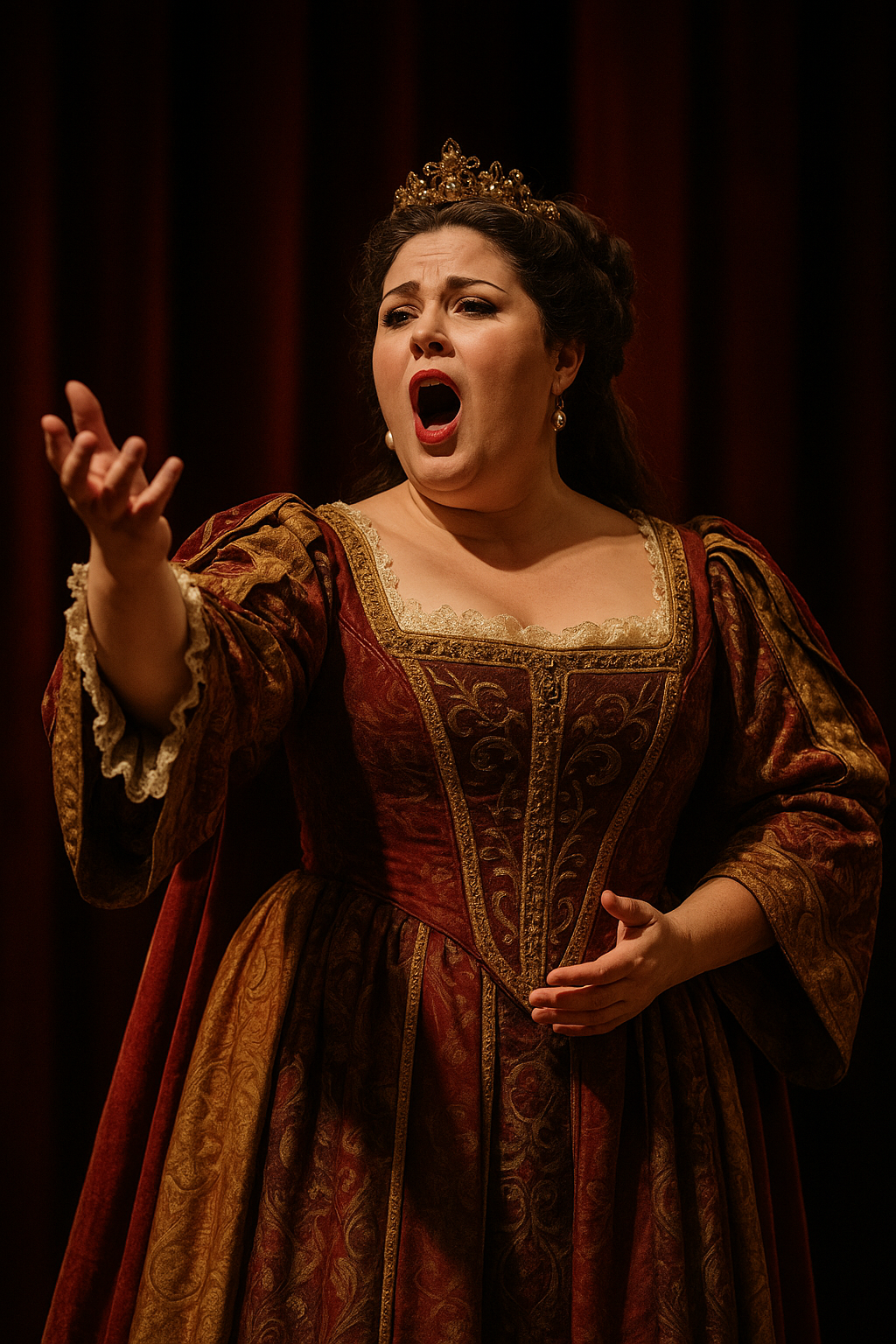
Among all the languages of the world, only one is so closely bound to the greatest art form of drama and music that it earned the title “the language of opera.” Italian has carried this distinction for centuries, not by accident, but because of a unique combination of history, culture, musicality, and linguistic structure that made it the perfect vessel for opera’s soaring melodies and emotional power. From the passionate arias of Verdi to the playful charm of Rossini, from Puccini’s heartbreaking heroines to Mozart’s Italian libretti, Italian has become inseparable from the art of opera, even in countries where Italian is not the spoken language.
This connection goes beyond tradition. It has roots in how Italian sounds, how it flows, and how it naturally lends itself to being sung. If you’ve ever heard the opening strains of an Italian opera, you’ll notice something immediately: the vowels carry, the consonants soften, and the rhythm seems designed for music. Italian words glide across the ear with a musicality unmatched by most languages, which is one of the reasons why singers from around the world still learn Italian diction as part of their training, regardless of whether they ever intend to live in Italy.
But why did Italian, and not French, German, or English, become opera’s global language? The answer lies in the birth of opera during the Renaissance, the role of Italian courts and composers in shaping the genre, and the way the Italian language itself enhances musical performance. In this article, we’ll trace the history of opera’s Italian roots, explore the linguistic qualities that make Italian ideal for singing, and examine why even today, centuries later, Italian retains its privileged place on the world’s great stages.
The Birth of Opera in Italy
Opera as we know it began in late 16th-century Florence. A group of musicians, poets, and intellectuals known as the Camerata de’ Bardi were experimenting with ways to revive ancient Greek drama, which they believed had been performed as a fusion of spoken poetry and music. Their goal was to blend words and melody into a new form of theater that would move audiences as powerfully as the dramas of antiquity.
The result was opera—literally meaning “work” in Italian, as in a “work of art.” The first recognized opera, Dafne by Jacopo Peri, premiered in Florence around 1598. Soon after, Claudio Monteverdi transformed the genre with L’Orfeo(1607), which remains one of the earliest operas still performed today.
Opera spread rapidly through Italian courts and then across Europe, always carrying with it the Italian language. Even foreign composers like Handel, a German, wrote many operas in Italian because it was considered the natural medium for the art. Italian impresarios, librettists, and composers dominated opera houses from London to Vienna, setting the standard for the genre and embedding Italian as opera’s default tongue.
The Golden Age of Italian Opera
As opera matured, Italy produced some of the greatest composers the world has ever known. Each one contributed not only to music but also to the enduring prestige of Italian as the language of opera.
Rossini (1792–1868): Known for his sparkling comic operas like The Barber of Seville, Rossini showcased Italian’s quick, playful side, filled with rapid-fire syllables and witty exchanges.
Verdi (1813–1901): His operas, including La Traviata, Rigoletto, and Aida, embodied emotional intensity and national pride, using the richness of Italian vowels to convey deep passion.
Puccini (1858–1924): The master of melody, Puccini gave us La Bohème, Tosca, and Madama Butterfly, works that highlight Italian’s lyrical power and ability to express vulnerability.
These composers didn’t just write music—they wrote for the Italian voice. Their libretti relied on the natural cadence of the language, its flowing vowels, and its balance between clarity and emotion. The success of these works cemented Italian’s reputation as opera’s true language.
The Musical Qualities of the Italian Language
Why does Italian sound so perfect when sung? The answer lies in the structure of the language itself.
1. Vowel-Dominance
Italian words end in vowels about 80% of the time. This makes the language exceptionally singable, as vowels carry well over musical lines. Compare the English phrase “the end of the road” with the Italian “la fine della strada.” The latter flows with vowels, while the former is broken by hard consonants.
2. Pure Vowel Sounds
Unlike English, where vowels often shift depending on stress or neighboring letters, Italian vowels are pure and consistent: a, e, i, o, u. This clarity makes it easier for singers to project their voices without distortion.
3. Soft Consonants
Italian consonants tend to be softer than those in German or English. While German excels in dramatic sharpness, Italian’s consonants rarely obstruct the smooth flow of sound, keeping the musical line uninterrupted.
4. Rhythmic Balance
Italian naturally alternates stressed and unstressed syllables in a way that aligns well with musical phrasing. This rhythm enhances the natural marriage of text and melody.
Together, these qualities make Italian not just beautiful to hear, but inherently suited to being sung.
Italian Librettos Beyond Italy
Italian didn’t remain confined to Italian composers. Throughout the 17th and 18th centuries, even foreign composers turned to Italian librettists for their works.
Handel, a German working in London, wrote numerous operas in Italian.
Mozart, though Austrian, composed masterpieces like Le Nozze di Figaro and Don Giovanni with Italian librettos by Lorenzo Da Ponte.
In the courts of Vienna, Paris, and London, Italian troupes were often imported to perform opera, because Italian singers and librettists were considered the best.
Even when opera later developed strong traditions in French (Carmen), German (Der Ring des Nibelungen), and Russian (Eugene Onegin), Italian remained central. Singers trained in Italian diction as a foundation, and many operas continued to be translated into Italian for performance abroad.
Opera as a Cultural Export
Opera became one of Italy’s greatest cultural exports, alongside Renaissance art and Roman architecture. By the 18th century, Italian opera companies were performing across Europe and even in the New World. The prestige of Italian culture was such that opera houses built in Vienna, Paris, London, and St. Petersburg often prioritized Italian works and hired Italian singers.
This cultural export reinforced the idea that Italian was the international language of opera. Even today, the Metropolitan Opera in New York, La Scala in Milan, and the Royal Opera House in London regularly stage Italian operas at the core of their repertoire.
Why Italian Still Matters in Opera Training
To this day, aspiring opera singers around the world study Italian diction. Why? Because Italian teaches the fundamental skills of vocal projection and clarity.
Singers practice Italian art songs and arias early in their training, learning how to sustain pure vowel sounds and connect musical lines. Even if a singer goes on to specialize in Wagnerian German opera or French Romantic opera, Italian often remains their foundation.
Voice coaches emphasize that Italian “sings itself”—its clarity allows singers to focus on vocal technique without battling linguistic obstacles. This pedagogical role further cements Italian as the language of opera.
The Emotional Range of Italian
Opera is about emotion—love, betrayal, joy, despair. Italian provides an unparalleled range of expression, from fiery outbursts to tender whispers. The flexibility of its vocabulary and the expressiveness of its intonation allow librettists and composers to capture every shade of human feeling.
Consider the word amore (love). Its open vowels invite musical expansion, allowing a composer to stretch it across several notes. Compare that to the English “love”—a short, closed sound with little room for ornamentation.
Italian isn’t just easier to sing; it’s more emotionally resonant when sung.
Italian Opera Today
Italian opera continues to dominate the repertoire of major opera houses. Works by Verdi and Puccini are staples, drawing audiences worldwide. Contemporary composers may experiment with other languages, but Italian operas remain central because of their musicality and universal appeal.
Even audiences who don’t understand Italian often prefer hearing operas in the original language. Subtitles provide translation, but the beauty of the sound transcends words. Italian simply “fits” the operatic voice better than any other language.
What Opera Teaches Language Learners
For Italian learners, opera isn’t just entertainment—it’s an incredible linguistic resource. Listening to arias can improve your ear for pronunciation, rhythm, and vocabulary. Because operatic diction is exaggerated for clarity, it’s often easier to catch words than in rapid street Italian.
Studying opera can also give you cultural insight into Italy’s history, values, and identity. From Verdi’s role in the Italian unification movement to Puccini’s portrayal of modern, struggling characters, opera reflects Italian society as much as it shapes it.
FAQs: Italian as the Language of Opera
1. Why is Italian called the language of opera?
Because opera was born in Italy, developed by Italian composers and librettists, and because the Italian language is particularly suited to being sung.
2. Is Italian easier to sing than other languages?
Yes. Italian vowels are pure, consistent, and carry well. Its soft consonants and rhythmic structure also help.
3. Did all composers write operas in Italian?
Not all, but many did—especially during the 17th and 18th centuries. Even non-Italian composers like Handel and Mozart used Italian librettos.
4. Are all operas in Italian?
No. There are great operatic traditions in German, French, Russian, Czech, and English. But Italian operas remain central to the global repertoire.
5. Why do singers still study Italian today?
Because Italian diction trains singers in proper vocal technique, breath control, and vowel clarity.
6. Do I need to understand Italian to enjoy opera?
Not at all—most opera houses provide subtitles. But learning some Italian can deepen your appreciation.
7. Which Italian composers should beginners listen to?
Start with Verdi (La Traviata), Puccini (La Bohème), and Rossini (The Barber of Seville).
8. How can I use opera to learn Italian?
Listen to recordings with the libretto in front of you, practice repeating lines, and focus on pronunciation.
Conclusion and Call to Action
Italian is called the “language of opera” not only because the art form was born in Italy but because the language itself is inherently musical, expressive, and suited to singing. Its history, cultural prestige, and linguistic structure all converged to make Italian the natural vehicle for opera’s drama and beauty. Even today, centuries later, Italian remains at the heart of opera, cherished by singers and audiences worldwide.
At Polyglottist Language Academy, we believe that learning Italian is more than memorizing grammar—it’s about discovering a language that has shaped art, music, and culture for centuries. Our Italian classes go beyond textbooks, incorporating real cultural experiences, including opera, to help you not only speak the language but feel it. If you’re ready to bring your Italian to life, sign up for our classes today and discover why Italian isn’t just a language—it’s music.
Explore More on Our Blog
If you enjoyed this article, you’ll love our other insights into Italian language and culture: