
Why Italians Take August Off: A Look at “Ferragosto” and Italian Summer Culture
Introduction: The Month When Italy Shuts Down—And Comes Alive
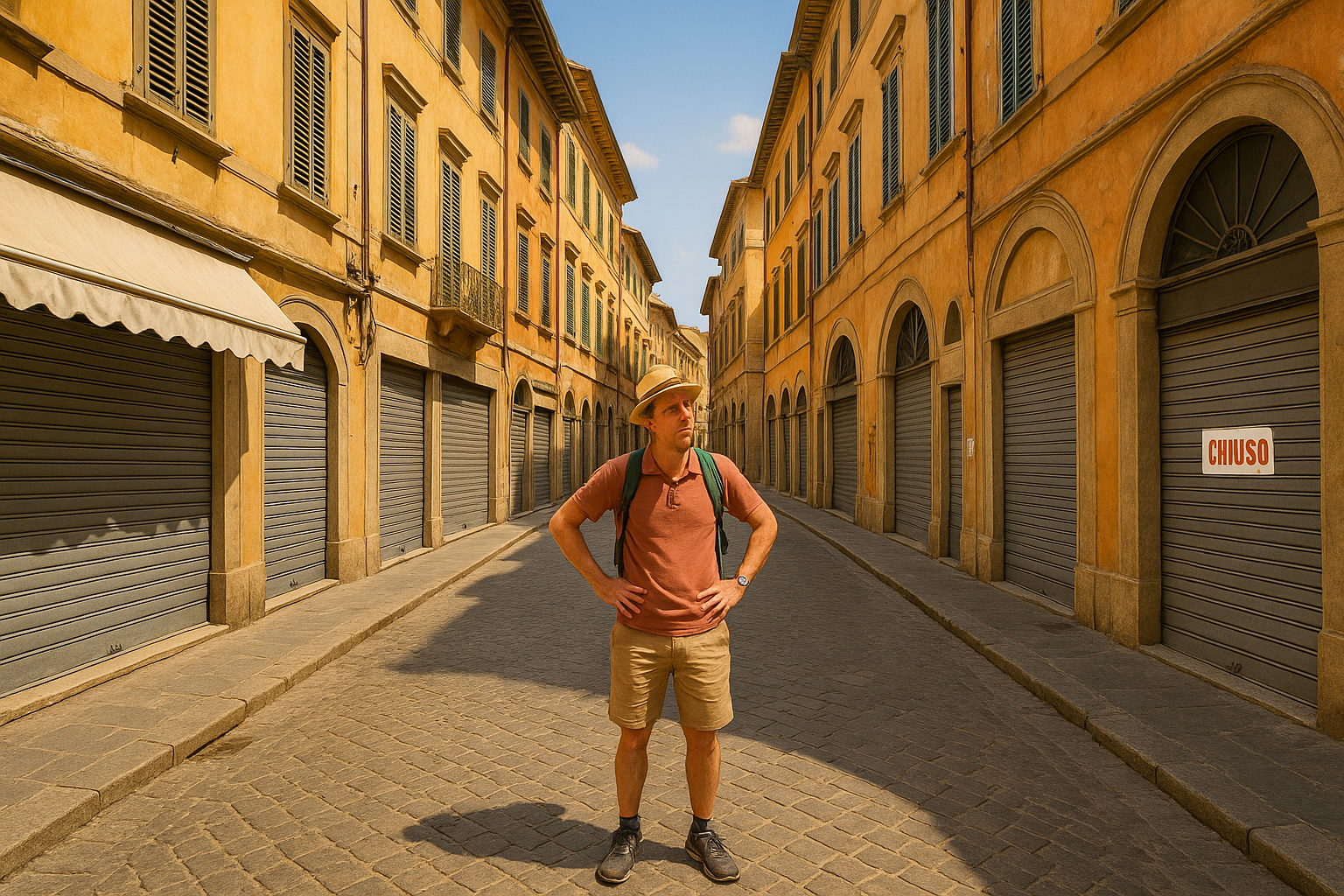
If you’ve ever tried to schedule a meeting, book a hair appointment, or visit your favorite trattoria in Italy during August, chances are you’ve been met with a polite shrug and a firm “Siamo chiusi per ferie.” Closed for the holidays.
To the uninitiated, August in Italy can be bewildering. Whole towns seem to empty. Shops close. Bureaucracy halts. Even some major businesses go on pause. But far from a sign of laziness or inefficiency, this nationwide break is a window into the Italian soul.
It’s called Ferragosto, and it’s not just a day—it’s a mindset, a ritual, and a reflection of deeper values about time, pleasure, and the art of truly switching off.
In many parts of the world, particularly in the U.S. or U.K., taking long stretches of time off—especially all at once—is unusual, even frowned upon. In Italy, it's a cherished tradition. And it doesn’t just belong to the privileged few. From big cities to remote villages, August is the month when everyone—from postal workers to politicians—presses pause.
But Ferragosto isn’t just about holidays. It’s about family lunches under grapevines, packed beaches, open-air concerts, religious traditions, and a kind of collective exhale that’s woven into the national identity. To understand it is to understand something essential about Italy itself.
In this article, we’ll explore:
The ancient Roman origins of Ferragosto
How Italians spend their August holidays today
What it’s like to visit Italy during this unique time
Cultural values around rest, family, and pleasure
How Ferragosto connects to Italy’s broader view of time and life
What learners of Italian can gain from studying this cultural moment
Whether you're a traveler planning a summer trip, a student of Italian, or just curious about what makes Italy tick, this is your deep dive into the most Italian month of the year.
Part 1: What Is Ferragosto?
Ferragosto, celebrated on August 15, is Italy’s most iconic summer holiday. It’s a national public holiday, originally rooted in Roman and Catholic traditions, but now more broadly tied to summer vacation culture.
The Word Itself
Ferragosto comes from the Latin Feriae Augusti, meaning “Augustus’ rest,” established by Emperor Augustus in 18 BCE to provide workers with a break after the summer harvest.
Over time, this pagan festival merged with the Catholic Feast of the Assumption—celebrating the Virgin Mary’s ascent to heaven—on the same day, August 15. The result is a blend of sacred and secular, rest and ritual.
Part 2: How Italians Spend August
Though the official holiday is August 15, the entire month is a season of vacation. Depending on one’s job or region, people may take anywhere from a few days to the entire month off.
Common Activities:
Beach Vacations – Italy’s coastlines fill with sunbathers, swimmers, and umbrella-packed beaches. Families rent houses or stay in seaside hotels for weeks.
Mountains and Countryside – For cooler air, many Italians head to the Alps, the Dolomites, or la campagna.
Family Meals – Ferragosto lunch is a sacred institution. Expect long meals with roasted meats, pasta, wine, and dessert—often anguria (watermelon).
Fireworks and Festas – Towns hold local festivals (sagre), concerts, religious processions, and sometimes parades.
Travel Abroad – More affluent Italians may travel internationally, though many stay within the country.
Part 3: What Actually Shuts Down?
Businesses and Services
Small shops, family-run restaurants, and local offices often close for 2–3 weeks.
Even doctors’ offices and gyms may shut their doors.
Large corporate offices implement staggered shutdowns or "smart holidays."
What Stays Open?
Tourist hubs like Rome, Venice, and Florence stay open (though some smaller venues may not).
Chain supermarkets and essential services operate on reduced hours.
Transportation runs but may be slower or more expensive due to demand.
Part 4: Cultural Significance—More Than a Vacation
Ferragosto is not just about rest—it's a national reset, a communal understanding that life is not just for work.
Key Cultural Themes:
Pleasure and Pause – Italians understand that productivity requires rhythm. August isn’t laziness—it’s balance.
Family Over Work – Spending time with family (nonni included!) is a priority, not an afterthought.
Slowing Down – In a culture that values food, beauty, and conversation, August is the time to fully indulge in those values.
Resistance to Hustle Culture – The idea of working nonstop is seen as unhealthy, even uncivilized. True wealth is time to enjoy life.
Part 5: What Travelers Should Know
Should you travel to Italy in August?
Yes—but with preparation.
Pros:
Lots of festivals and concerts in towns and cities
Long daylight hours and warm nights
Major tourist sites stay open
Cons:
Hot weather—temperatures can soar past 35°C (95°F)
Many locals leave town, so you may not get the full cultural immersion
Some restaurants and artisan shops are closed
✅ Tip: Plan ahead. Make reservations for trains, restaurants, and hotels early.
✅ Tip: Don’t expect fast service—it’s August. Go with the flow.
Part 6: Regional Differences
North vs. South
In northern cities (Milan, Turin), whole neighborhoods may empty.
In southern Italy, Ferragosto often blends with religious traditions, like processions, saints’ festivals, and public fireworks.
Cities vs. Small Towns
Small towns are more likely to completely shut down.
Big cities stay open for tourism but feel different—emptier, slower, sleepier.
Part 7: Ferragosto in Language and Expression
Understanding Ferragosto also enriches your Italian vocabulary and cultural literacy.
Phrases to Know:
Buon Ferragosto! – Happy Ferragosto!
Siamo chiusi per ferie. – We’re closed for vacation.
Andiamo in villeggiatura. – We’re going on a summer holiday (old-fashioned, but charming).
Mi rilasso sotto l’ombrellone. – I’m relaxing under the beach umbrella.
📚 Bonus tip: Look out for Ferragosto references in Italian films, books, and pop music—it's everywhere.
Part 8: What Language Learners Can Learn from Ferragosto
Ferragosto is an ideal moment for language learners to reflect on Italian culture in practice—not just grammar drills.
Lessons for Learners:
Language is seasonal. Vocabulary, expressions, and conversation topics change with the seasons—just like culture.
Cultural fluency = real fluency. Knowing how to talk about August in Italy, or understanding why your tutor didn’t answer your message for two weeks, helps you connect with people.
Pause is powerful. Even in your learning journey, a strategic break can help reset and refocus.
🌞 Want to keep your Italian alive during summer? Use Ferragosto-themed movies, songs, or food to study without a textbook.
FAQs About Ferragosto and Italian Summer Culture
Q: Is Ferragosto celebrated only on August 15?
A: While the official holiday is the 15th, most Italians take a week or more off around this date—and many take the whole month of August.
Q: Can I still travel to Italy in August?
A: Yes! Just plan ahead, book early, and expect a more relaxed, slower pace of life.
Q: Are cities like Rome and Florence totally empty?
A: They’re quieter, especially local neighborhoods—but tourism keeps them open and lively.
Q: Do trains and buses still run?
A: Yes, but schedules may be reduced and tickets can sell out fast. Reserve early.
Q: Is it hard to get food in August?
A: Not in tourist areas—but your favorite family-run osteria might be closed. Chain stores stay open.
Q: Do Italians celebrate Ferragosto abroad?
A: Yes! Many Italian communities abroad gather for picnics or meals on August 15 to keep the tradition alive.
Want to Learn More About Italian Culture and Language?
At Polyglottist Language Academy, we bring you more than verb charts—we bring you the stories, traditions, and rhythms of real Italian life.
Whether you're based in Berkeley, San Francisco, Oakland, or online, our expert instructors help you:
Speak with cultural confidence
Understand Italy beyond the textbook
Dive into real-life topics like Ferragosto, holidays, and daily life
Build the vocabulary that Italians actually use
🇮🇹 Small classes (3–6 students)
🧑🏫 Engaging, expert teachers
📆 Flexible schedules
📍 In-person and online options
👉 Explore our Italian classes and sign up today.
You Might Also Like…
If you’re interested in Italian language and culture, check out these other blog articles:
From Ciao To Arrivederci: How To Master Italian Greetings And Goodbyes
Using “Piacere” Correctly In Italian (It’s Not Just ‘To Like’)
Aperitivo, Passeggiata & More: Everyday Italian Culture Through Language
Grammar Hacks To Learn Italian Faster (With Fewer Flashcards)
How To Ask Questions In Italian: Grammar, Tone, And Intuition
Italian Classes For Adults In Marin And San Francisco: It’s Never Too Late
🌞 Whether you’re under a beach umbrella or learning online, Ferragosto reminds us that language isn’t just spoken—it’s lived.
Come live Italian with us—Buon Ferragosto! 🇮🇹