
How to Avoid Looking Like a Tourist in France (Language Edition)
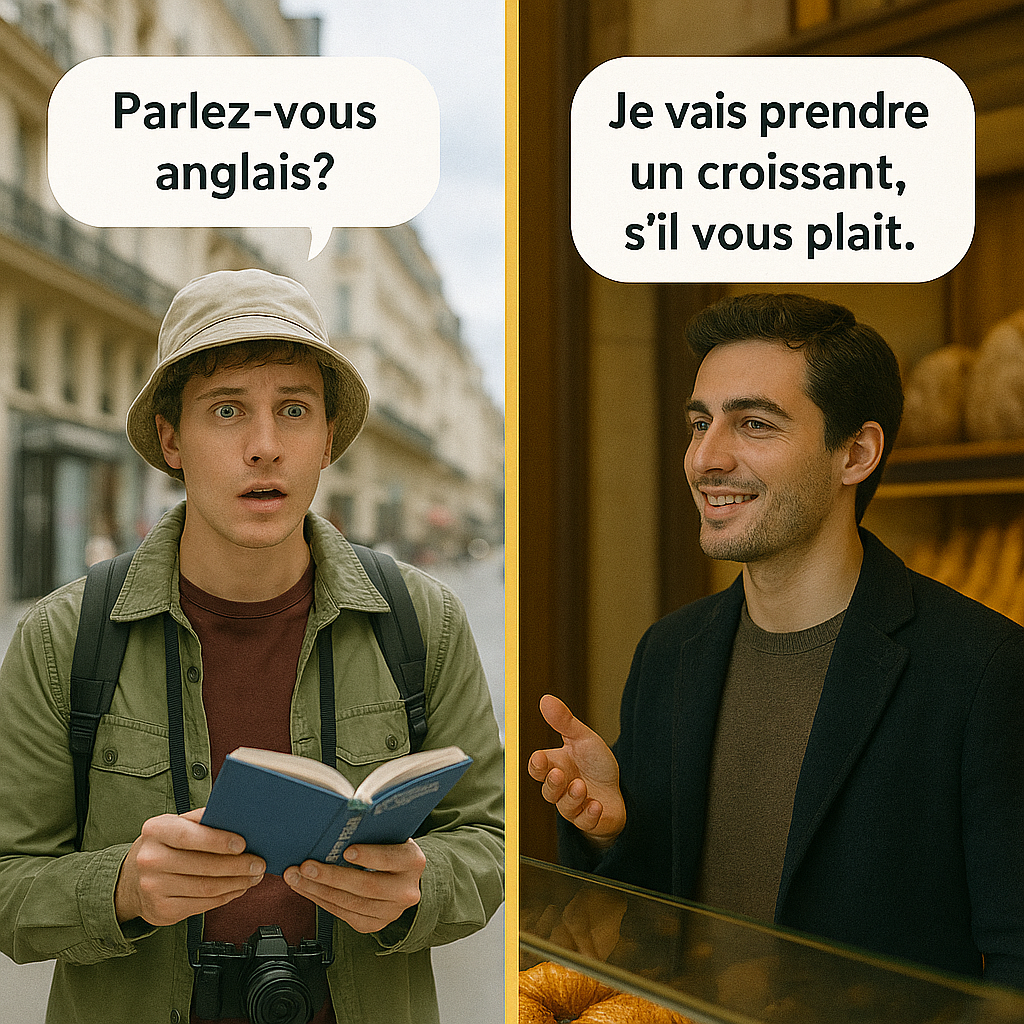
There’s a special kind of pride—and sometimes sheer relief—that comes from blending in while traveling. It’s the subtle thrill of ordering a coffee in perfect French and getting a nod of recognition from the barista, or the satisfaction of navigating a bustling market without anyone switching abruptly to English. For many travelers, especially in France, the ultimate goal is not just to see the sights but to experience the country as an insider, not an outsider. Yet for all its romantic appeal, France can feel like one of the hardest places to “pass” as a local, particularly because of how deeply intertwined language is with identity, culture, and social norms.
While tourists might worry about what clothes to wear or which guidebooks to carry, one of the biggest giveaways that you’re not from around here happens the moment you open your mouth. It’s not merely about your accent or your grammar mistakes—it’s about the small, everyday ways that native speakers use the language to signal politeness, confidence, and cultural savvy. Even fluent speakers can accidentally reveal themselves as foreigners by using the wrong register, translating too literally from English, or failing to sprinkle in the tiny conversational markers that make French feel alive and authentic.
The good news is that you don’t have to speak perfect, Parisian French to avoid standing out. With the right phrases, cultural awareness, and a few strategic tricks, you can instantly sound less like a lost tourist and more like someone who truly belongs. You’ll find that people respond differently to you—warmer, more helpful, more respectful—because they recognize that you’re making the effort not just to speak French but to speak it like they do.
In this article, we’re diving deep into the language habits that separate tourists from locals. We’ll uncover the subtle giveaways that scream “visitor!” and share practical strategies to help you sound more natural, confident, and culturally attuned. Whether you’re planning a weekend in Paris, a month in Provence, or simply want to refine your spoken French for everyday encounters, these tips will help you blend in linguistically—and enjoy France on a whole new level.
Because sometimes the biggest difference between being a tourist and feeling like a local comes down to just a few well-chosen words.
Why Language Is the #1 Tourist Giveaway
French People Listen for Nuance
In France, how you speak matters as much as what you say. Locals pick up on:
✅ Register (formal vs. casual)
✅ Politeness markers
✅ Intonation
✅ Cultural references
✅ Filler words and interjections
Even a single misplaced phrase can make you sound foreign.
Literal Translations Can Be Dangerous
Many tourists:
Translate English phrases directly into French.
Use words that are technically correct but contextually awkward.
Skip social niceties that are vital in France.
Confidence Counts
French culture values linguistic confidence. A hesitant, overly formal delivery can signal “tourist” even if your grammar is perfect.
The Most Common Language Mistakes Tourists Make
Let’s tackle the biggest tourist giveaways and how to avoid them.
1. Skipping “Bonjour”
French social life revolves around greetings. Walking into a shop and launching into a question without saying “bonjour” is a cardinal sin.
❌ Tourist:
Excusez-moi, où est la gare ?
✅ Local:
Bonjour, excusez-moi, où est la gare ?
Always greet before speaking—even to strangers.
2. Overusing “S’il Vous Plaît” Like a Magic Word
Tourists often sprinkle “s’il vous plaît” excessively, thinking it makes everything polite. In French, politeness comes from tone and phrasing, not just magic words.
Better:
Je voudrais un café, s’il vous plaît.
vs.
Donnez-moi un café, s’il vous plaît. (Too brusque)
3. Mixing Up “Tu” and “Vous”
Using tu too quickly signals either:
Over-familiarity
Lack of cultural awareness
Stick with vous in:
Shops
Restaurants
Formal encounters
Strangers
Switch to tu only when invited.
4. Literal English Translations
Literal translations sound odd:
Je suis excitée → “I’m excited” → implies sexual excitement
Je suis pleine → “I’m full” → means “I’m pregnant”
Instead:
J’ai hâte. → I’m looking forward to it.
Je n’ai plus faim. → I’m full.
5. Asking “Parlez-vous anglais ?” Too Soon
It’s polite to try French first, even just a simple greeting. Otherwise, it comes across as presumptuous.
Better:
Bonjour, excusez-moi. Est-ce que je peux poser une question en anglais ?
6. Speaking Too Loudly
Tourists often:
Speak louder when nervous
Over-enunciate
French conversation is generally softer and more subdued.
7. Using English Fillers
English fillers like “like,” “you know,” “so” stand out. Try these instead:
Ben… → Well…
Euh… → Um…
Alors… → So…
Enfin… → Anyway…
8. Overusing “Comment ça va ?”
French people rarely say “Comment ça va ?” to strangers. Instead:
Bonjour, ça va ? → among friends
Bonjour, Monsieur/Madame. → with strangers
9. Asking for “The Toilet”
Instead of:
Où sont les toilettes ?
Better:
Où est la salle de bain ? (at someone’s home)
Les toilettes, s’il vous plaît ? (in public places)
How to Sound More Local
Master Polite French
Polite phrases locals use daily:
Excusez-moi de vous déranger, mais… → Sorry to bother you, but…
Est-ce que je pourrais… ? → Could I…?
Auriez-vous… ? → Would you have…?
Embrace French Filler Words
Locals pepper their speech with:
Enfin… → Anyway…
Bref… → In short…
Du coup… → So then…
Quoi. → Right.
Example:
Il faisait froid, du coup on est restés à la maison.
It was cold, so we stayed home.
Use Understated Responses
French people rarely gush. Instead of:
C’est AMAZING !
Try:
C’est pas mal. → Not bad.
C’est sympa. → It’s nice.
C’est chouette. → It’s cool.
Practice Your Intonation
French intonation rises at the end of yes/no questions.
Statements have a musical, flowing rhythm.
Listen to native speakers and imitate their melody.
Learn Real-Life Expressions
Instead of textbook phrases, locals say:
Ça marche. → That works.
T’inquiète. → Don’t worry.
C’est pas grave. → It’s no big deal.
J’en ai marre. → I’m fed up.
Avoid Over-Formal Speech
Tourists often stick to overly formal phrases:
Je désirerais… → Very stiff
Serait-il possible de… ? → High formality
Instead:
Je voudrais… → I’d like…
Est-ce que je peux… ? → Can I…?
Learn Regional Touches
Locals might greet you with:
Salut ! → Hi!
Ça roule ? → How’s it going? (casual)
In Provence, you might hear:
Oh fan ! → Wow!
Embrace local flavor where possible.
Be Confident, Not Perfect
French people appreciate:
Effort
Confidence
Good manners
They don’t expect perfect grammar.
Situational Tips for Avoiding Tourist Vibes
In Shops
✅ Greet first: Bonjour, Madame/Monsieur.
✅ Use polite verbs: Je voudrais…
✅ Don’t handle merchandise without asking.
In Restaurants
✅ Wait to be seated.
✅ Avoid snapping fingers or calling “Garçon!”
✅ Thank servers:
Merci, c’était délicieux.
On the Street
✅ Speak softly.
✅ Don’t start conversations in English.
✅ Keep personal space.
At Museums
✅ Greet staff.
✅ Avoid loud conversations.
✅ Be mindful of queues.
Phrases That Instantly Make You Sound Local
C’est pas grave. → It’s no big deal.
Ça marche. → That works.
Pas de souci. → No problem.
Je suis désolé(e). → I’m sorry.
Ça me dit. → I’m up for it.
C’est pas trop mon truc. → It’s not really my thing.
On y va ? → Shall we go?
Ça te dit ? → Do you feel like it?
Practice Listening to Real French
Watch:
French YouTubers
French news clips
French TV shows
Listen:
French podcasts
French music
Imitate:
Intonation
Pauses
Filler words
Why Blending In Matters
✅ Locals treat you with more respect.
✅ People speak French to you rather than switching to English.
✅ You feel more confident and immersed.
✅ You avoid misunderstandings and social faux pas.
✅ Your experience becomes richer and more authentic.
FAQs
Q: Will French people correct me if I speak incorrectly?
A: Often, yes—but gently. They appreciate effort.
Q: Is it rude if I speak English right away?
A: Not rude, but less polite. Try French first.
Q: Should I aim for perfect grammar?
A: No. Natural rhythm, polite phrases, and confidence matter more.
Q: Do I need a perfect accent?
A: Not at all. A foreign accent is fine. Just avoid English intonation patterns.
Q: Is “Comment ça va ?” always appropriate?
A: Only with people you know. With strangers, stick to “Bonjour.”
Q: Can I use “tu” with everyone?
A: No. Use “vous” with strangers, elders, or in formal contexts.
Q: Are filler words important?
A: Very! They make speech sound natural.
Q: What if someone responds too fast for me?
A: Politely ask them to slow down:
Pouvez-vous parler plus lentement, s’il vous plaît ?
At Polyglottist Language Academy, we believe speaking French is more than words—it’s about sounding like you belong. Our courses teach real-life language, cultural finesse, and the confidence to navigate French conversations without giving away your tourist status. Whether you’re traveling for fun, business, or a dream of living in France, we’re here to help you blend in, speak out, and truly connect.
Ready to sound less like a tourist and more like a local? Sign up for French classes!
Check Out Our Other Blog Articles
Explore more secrets to speaking authentic French:
How Learning French Changes Your Personality And Way Of Thinking
Is Parisian French The “Best” French? A Deep Dive Into Regional Accents And Attitudes
How To Keep Your French Alive If You’re Not In A Francophone Country
When French Gets Philosophical: How To Talk About Life, Love, And Meaning
The Secret French Grammar Structures That Sound Instantly Native
French For Abstract Thinkers: Expressing Complex Ideas Like A Native
Why Fluent French Isn’t Perfect French—And Why That’s A Good Thing
A Crash Course In “French Filler Words” (Eh Bien, Tu Vois, Genre...)
What Learning French Teaches You About English (Yes, Really!)