
Visiting a French Market: What to Say, How to Haggle, What to Avoid
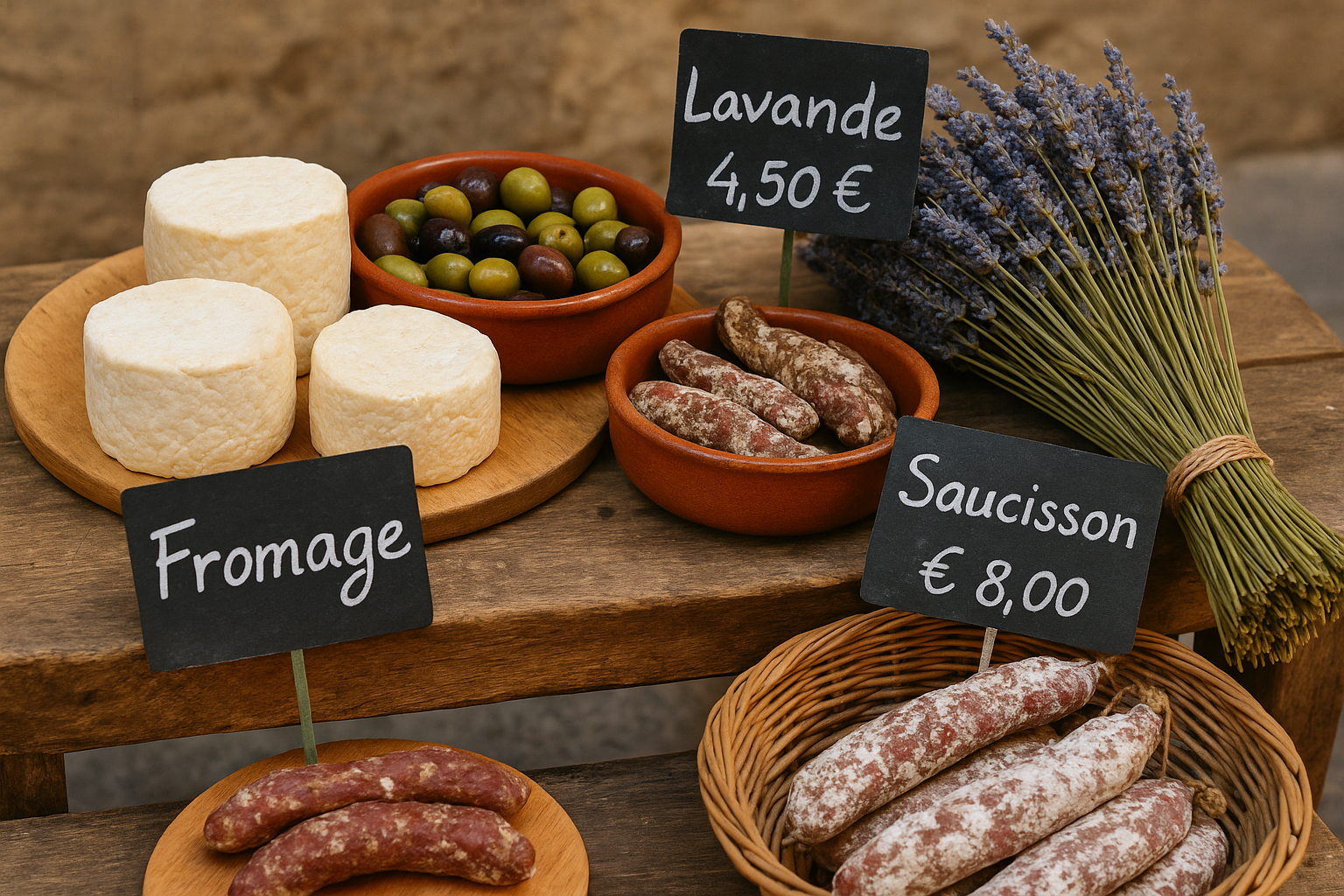
Introduction
There’s a reason that French markets hold such a mythical place in the imagination of travelers and locals alike: they’re not just places to buy food, but vibrant snapshots of daily life, where the smell of ripe peaches mingles with the briny tang of fresh oysters, where rows of vivid flowers line ancient cobblestones, and where conversations buzz in a language that seems crafted precisely for these small moments of human connection. For anyone learning French—or simply hoping to dive deeper into the culture—wandering through a market isn’t just an enjoyable pastime. It’s one of the richest linguistic and cultural experiences you can have, offering a masterclass in everyday vocabulary, social etiquette, and the gentle art of human interaction.
Yet while the idea of visiting a market sounds utterly charming, the reality can feel slightly intimidating if you’re not prepared. From knowing the right greetings to navigating the subtle dance of haggling (when appropriate), to avoiding the faux pas that might mark you as an outsider, there’s a lot more to a market visit than meets the eye. Unlike the impersonal efficiency of supermarkets, French markets operate on rituals, social codes, and a deep respect for both produce and the people selling it. Even your first words at a stall can set the tone for the entire interaction—will the vendor smile and engage, or remain brisk and distant?
The beauty is that learning how to move confidently through a French market doesn’t require perfect language skills—just some key phrases, cultural awareness, and a willingness to engage. Mastering a few essential expressions, knowing when (and how) to haggle, and understanding local market customs can transform your experience from awkward tourist transaction to authentic cultural exchange. And beyond the delicious cheeses, sun-warmed tomatoes, and fragrant herbs you’ll bring home, you’ll leave with something even better: the feeling of truly belonging, if only for a moment, in the rhythm of French daily life.
In this article, we’ll cover exactly what to say when visiting a French market, share the dos and don’ts of haggling, and highlight the cultural pitfalls to avoid—so your market visits can be as smooth, joyful, and delicious as possible.
Why French Markets Are So Special
Before diving into phrases and strategies, it’s worth understanding why markets are so central to French life:
Community Hubs: Markets aren’t just for shopping; they’re social gatherings where locals catch up with neighbors and chat with vendors.
Freshness and Seasonality: Vendors take pride in seasonal, local products. You’ll find produce, cheese, meats, fish, flowers, and even artisanal crafts.
Cultural Heritage: Many markets have been operating for centuries in historic town squares.
Sensory Experience: Colors, scents, sounds, and flavors create a uniquely French atmosphere.
Essential Phrases to Use at the Market
Greetings Matter
Always greet vendors. A simple bonjour sets the tone.
Bonjour, Madame / Monsieur.
Never launch into questions or orders without greeting first. It’s considered rude.
Asking Prices
Combien ça coûte ? → How much does it cost?
C’est combien, ces tomates ? → How much are these tomatoes?
Requesting Quantities
Un kilo de pommes, s’il vous plaît. → A kilo of apples, please.
Une tranche de jambon, s’il vous plaît. → A slice of ham, please.
Un morceau de fromage, s’il vous plaît. → A piece of cheese, please.
Je voudrais deux poivrons rouges. → I’d like two red peppers.
Asking to Taste
It’s normal—and encouraged—to sample before buying:
Je peux goûter ? → Can I taste?
Or more polite:
Est-ce que je pourrais goûter, s’il vous plaît ?
Expressing Likes or Dislikes
C’est délicieux ! → It’s delicious!
C’est trop sucré pour moi. → It’s too sweet for me.
Je préfère celui-là. → I prefer that one.
Small Talk and Compliments
Compliments go a long way:
Elles sont belles, vos fraises ! → Your strawberries are beautiful!
Or:
Ça sent très bon ! → That smells wonderful!
Small talk builds rapport with vendors.
Wrapping Up the Purchase
C’est tout, merci. → That’s all, thank you.
Je vais prendre ça. → I’ll take that.
Handling Payment
Vous prenez la carte ? → Do you accept cards?
J’ai seulement des espèces. → I only have cash.
Many smaller stalls prefer cash, especially in rural markets.
How to Haggle at French Markets
Contrary to popular belief, haggling is not universal at French markets. Here’s how to know when it’s acceptable—and when it’s not.
When Haggling is Appropriate
✅ At flea markets (marchés aux puces):
Antique furniture
Second-hand clothes
Vintage items
✅ For bulk purchases:
Si je prends deux kilos, vous pouvez faire un prix ?
(If I take two kilos, can you give me a better price?)
When Haggling is NOT Appropriate
🚫 Fresh food markets:
It’s considered disrespectful to haggle over:
Fruits and vegetables
Meat, fish, poultry
Cheese and dairy
Prices reflect the vendor’s labor and product quality. Haggling here may be seen as insulting.
How to Haggle Politely
If you’re in a context where it’s acceptable:
Always be polite and smiling.
Start with:
Vous pouvez me faire un petit prix ?
(Can you give me a small discount?)
Or:
C’est votre dernier prix ?
(Is that your final price?)
If the vendor says no, thank them and either accept the price or move on.
Cultural Tips for Visiting French Markets
1. Take Your Time
Markets are leisurely. People chat, browse, and savor the atmosphere. Don’t rush transactions.
2. Let Vendors Handle the Produce
Don’t pick up fruits or vegetables unless invited. It’s customary for vendors to choose for you, especially in produce markets.
3. Use Local Bags or Baskets
Many French shoppers carry baskets (paniers) or reusable bags. It’s eco-friendly—and makes you look like a local.
4. Pay Attention to Lines
Lines at French markets can be invisible but real. Observe who’s waiting and respect turns.
5. Be Respectful of Vendors’ Time
Busy vendors appreciate efficiency during peak hours. Keep chatter short if there’s a crowd behind you.
6. Mind Hygiene Rules
Due to health laws, many food samples are handled with gloves or toothpicks. Don’t reach in with your hands.
7. Bring Small Change
Especially at smaller stalls, having coins and small bills makes transactions smoother.
Things to Avoid at a French Market
🚫 Skipping Greetings
Walking up and asking, “How much?” without a greeting is rude.
🚫 Handling Products Without Permission
Always wait for the vendor to invite you to touch produce.
🚫 Loud or Aggressive Haggling
French haggling is subtle and polite, never pushy.
🚫 Assuming Vendors Speak English
While many do, it’s polite to begin in French. Even a simple Bonjour, parlez-vous anglais ? shows respect.
🚫 Trying to Bargain at Food Stalls
It’s simply not done.
Special Vocabulary for French Markets
Fruits & Vegetables
fraises → strawberries
tomates → tomatoes
poivrons → peppers
épinards → spinach
cerises → cherries
Cheese & Dairy
fromage → cheese
crème fraîche → fresh cream
beurre → butter
Butchery & Charcuterie
jambon → ham
saucisson → dry sausage
poulet → chicken
Seafood
poisson → fish
huîtres → oysters
crevettes → shrimp
Bakery
baguette → baguette
croissant → croissant
pain complet → whole wheat bread
Benefits of Visiting French Markets for Language Learners
Real-life listening practice
Exposure to regional accents
Learning practical vocabulary
Cultural immersion
Building confidence in speaking
French markets are a perfect “classroom” for conversational French.
A Sample Dialogue at a French Market
Shopper: Bonjour, Madame. Vos fraises sont magnifiques !
Vendor: Merci beaucoup ! Vous voulez goûter ?
Shopper: Oui, volontiers.
Vendor: Tenez. Elles viennent d’à côté, très sucrées.
Shopper: Mmm, délicieuses ! Je vais en prendre un demi-kilo, s’il vous plaît.
Vendor: Bien sûr. Autre chose ?
Shopper: Non, c’est tout. Combien je vous dois ?
Vendor: Trois euros cinquante.
Shopper: Voilà. Merci, bonne journée !
Vendor: Merci à vous, bonne journée !
FAQs
Q: Can I haggle at any French market?
A: No. Haggling is typical only at flea markets or antique markets—not food markets.
Q: Should I greet every vendor I talk to?
A: Yes. Always begin with Bonjour.
Q: Is it rude to only look and not buy?
A: Not at all. Vendors are used to browsing customers.
Q: Do French markets accept credit cards?
A: Larger vendors might, but cash is safest—especially for small amounts.
Q: Can I taste products before buying?
A: Often yes, especially with cheese, fruits, or charcuterie. Always ask first.
Q: Are prices cheaper at markets?
A: Sometimes, but quality is often higher than supermarkets, so prices can vary.
Q: Are markets open every day?
A: No. Many operate only once or twice a week. Check local schedules.
Q: Do vendors speak English?
A: Some do in tourist areas, but start in French to show respect.
At Polyglottist Language Academy, we believe language learning is about connecting with people—and nowhere is that truer than at a bustling French market. Our classes go beyond textbooks, teaching you the practical phrases, cultural insights, and conversational confidence you need to navigate real-life situations like market visits. Whether you’re planning a trip to France, or simply dreaming of your next adventure, we’re here to help you speak French with ease, authenticity, and joy.
Ready to turn your next market visit into a true French experience? Sign up for French classes and let’s bring your French to life!
Check Out Our Other Blog Articles
Explore more secrets to speaking real, authentic French:
How Learning French Changes Your Personality And Way Of Thinking
Is Parisian French The “Best” French? A Deep Dive Into Regional Accents And Attitudes
How To Keep Your French Alive If You’re Not In A Francophone Country
When French Gets Philosophical: How To Talk About Life, Love, And Meaning
The Secret French Grammar Structures That Sound Instantly Native
French For Abstract Thinkers: Expressing Complex Ideas Like A Native
Why Fluent French Isn’t Perfect French—And Why That’s A Good Thing
A Crash Course In “French Filler Words” (Eh Bien, Tu Vois, Genre...)
What Learning French Teaches You About English (Yes, Really!)