
The Unwritten Rules of Italian Social Life You’ll Only Learn by Living There
Introduction: Beyond the Pasta and Piazzas
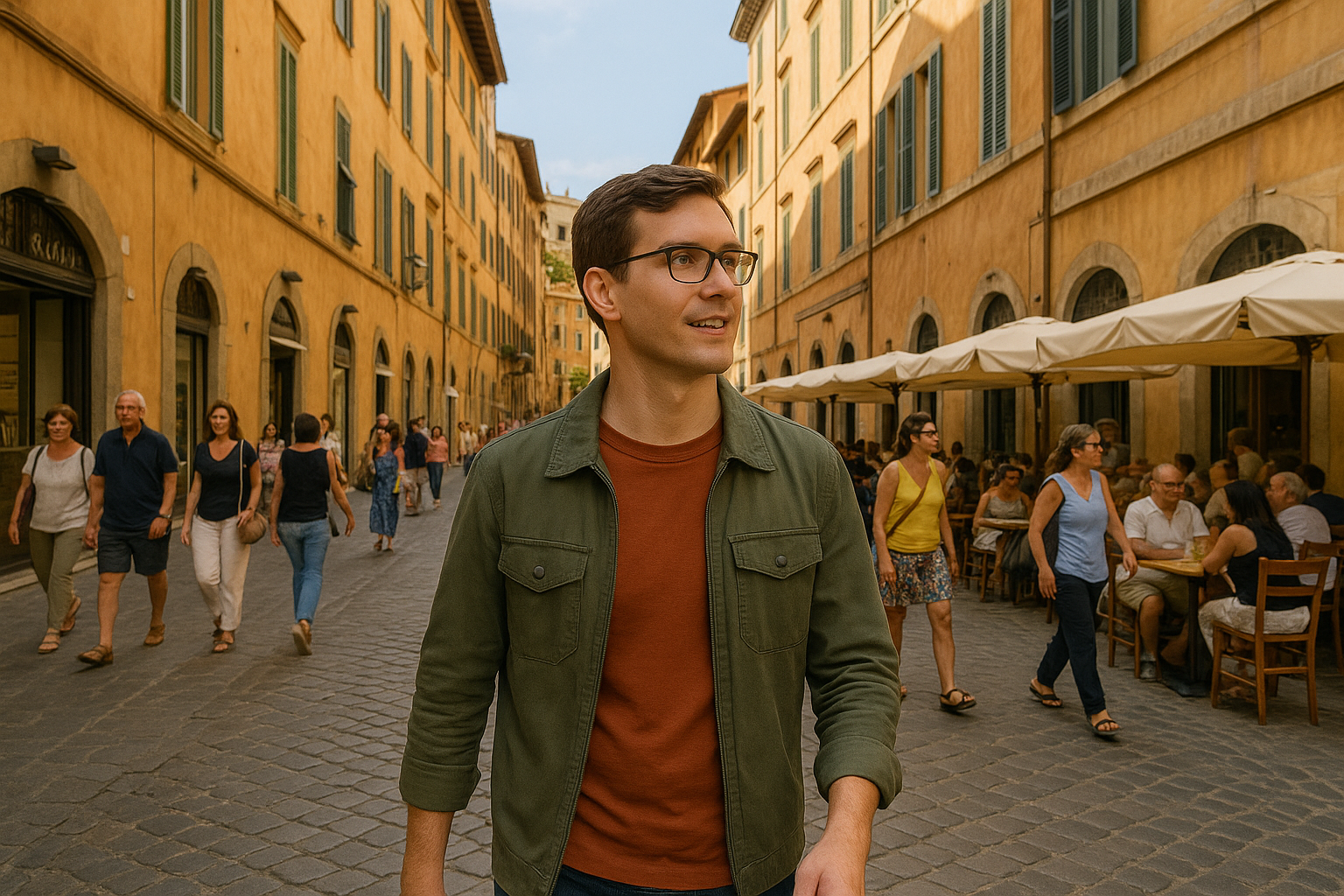
Imagine this: you’re standing in the middle of an Italian piazza at twilight. The sun is dipping behind terracotta rooftops, casting a golden glow over cobblestones polished by centuries of footsteps. The scent of espresso mingles with laughter and the faint strains of an accordion. You’re in Italy, the land of la dolce vita—good food, good wine, and… well, let’s be honest: a whole set of social rules no one warned you about.
Italians are famously warm, expressive, and passionate people. Yet beneath the joyful chaos of daily life lies a complex web of unwritten social codes. These codes determine everything from how loudly you can talk, to when it’s appropriate to drink a cappuccino, to the subtle art of polite disagreement.
When you visit Italy for a few days, you might think you’ve got it all figured out. You learn a few phrases, try the gelato, marvel at the traffic, and leave feeling charmed. But the moment you decide to stay longer—to work, study, or live in Italy—that’s when you start discovering the invisible boundaries that shape Italian social life.
These unwritten rules aren’t written in any guidebook. They’re absorbed through observation, embarrassment, and gentle corrections from your Italian friends. They’re the difference between feeling like an eternal tourist or becoming truly part of the community.
In this article, we’ll dive into:
Everyday customs and conversational habits
Social norms in public and private life
Dining etiquette and coffee culture
How to navigate friendships, love, and disagreements
The subtle nuances that separate visitors from locals
So grab a coffee (just… not after lunch!), settle in, and let’s uncover the secrets of Italian social life—the ones you’ll only learn by living there.
La Bella Figura: More Than Just Looking Good
If there’s one golden thread running through all Italian social behavior, it’s la bella figura—literally, “the beautiful figure.” But this concept goes far beyond appearance.
La bella figura means:
Looking presentable in public
Acting with dignity and respect
Maintaining grace, even in difficult situations
Protecting your reputation and the image of those close to you
This cultural obsession shapes countless daily interactions. For example:
Dressing well to go grocery shopping
Speaking politely, even during disagreements
Avoiding public displays of embarrassment
It’s why an Italian might say, “Non fare brutta figura” (Don’t make a bad impression). In Italy, how you present yourself matters deeply. It’s not vanity—it’s social respect.
Greeting Rituals: Kisses, Handshakes, and Ciao Confusion
One of the first unwritten rules foreigners encounter is the saluto—the greeting ritual. In Italy, greetings are a performance, and getting it wrong can feel surprisingly awkward.
The Double Kiss
Among friends and acquaintances, the classic greeting is two cheek kisses—first on the right cheek, then the left. However:
Men often shake hands unless they’re close friends or family.
Younger people are more likely to kiss.
In professional settings, stick to a handshake.
Beware the “lean in” confusion. Non-Italians often end up going the wrong way, leading to an unintended smooch!
When to Say Ciao
“Ciao” seems universal, but it’s not always appropriate:
Use Ciao only with friends, family, and people your age.
With strangers, elders, or in formal settings, use Buongiorno (Good morning), Buonasera (Good evening), or Salve(Hello).
Dropping a casual Ciao to your landlord or the bank manager might earn you raised eyebrows.
Conversation: A Dance of Interruptions
If you’ve ever sat at an Italian dinner table, you’ll notice:
People talk over each other.
Hands wave in animated gestures.
Loud voices don’t mean anger—they mean enthusiasm.
Interruptions are part of the game. Italians show interest by jumping in. Silence, on the other hand, can feel awkward.
Yet even in this lively chaos, there’s an unspoken rhythm. You’ll rarely hear an Italian:
Publicly contradict someone harshly
Point out someone’s mistake directly
Use a blunt “No”
Instead, they’ll say:
“Mah… non so…” (“Hmm… I’m not sure…”)
“Forse…” (“Perhaps…”)
“Secondo me…” (“In my opinion…”)
Directness can come off as rude, so softening disagreement is a key social skill.
Coffee Culture: Rules Hidden in Espresso Shots
Coffee in Italy is sacred—and strictly regulated by invisible rules.
Cappuccino: A Morning Affair
Cappuccino is for breakfast. Ordering it after lunch brands you as a tourist.
Italians drink it standing at the bar, rarely lingering over giant mugs.
Espresso Etiquette
It’s called simply un caffè.
It’s a quick ritual—often consumed in under 60 seconds.
Don’t expect fancy syrups or complicated orders.
Paying for Coffee
Many Italians pay first at the cashier, then take the receipt to the barista.
Don’t grab a table unless you’re prepared to pay extra for servizio al tavolo.
Meal Times and Social Rules
Eating in Italy isn’t just about food—it’s about ritual, timing, and respect.
Meal Times Are Sacred
Lunch usually happens between 1:00 and 2:30 pm.
Dinner rarely begins before 8:00 pm.
Early dinners are considered for tourists and children.
Showing up to a restaurant at 6 pm for dinner will earn you puzzled looks.
Bread Isn’t for Dipping
Unlike American restaurants where dipping bread into olive oil is encouraged, in Italy:
Bread is used to fare la scarpetta (scoop up sauce) but only once you’re almost finished.
Bread baskets are placed on the table but not automatically free in every region.
Punctuality… Sort Of
Social events often start later than stated.
Being 10-15 minutes late is normal for casual gatherings.
For business meetings, however, punctuality is appreciated.
Personal Space and Physical Contact
Italians value closeness. You’ll quickly notice:
Standing close while talking
Touching arms or shoulders for emphasis
Kissing on the cheek in greetings and farewells
For Northern Europeans or Americans used to more personal space, this can feel overwhelming. But in Italy, physical closeness signals warmth and trust.
The Subtleties of Compliments and Modesty
Italians love giving compliments—but they’re also masters of modesty.
When praised, an Italian might:
Deflect with “Ma dai…” (“Oh come on…”)
Say “Figurati!” (literally, “Imagine!” but meaning “Don’t mention it.”)
Laugh it off rather than accept directly
Meanwhile, praising yourself is frowned upon. Letting others discover your talents is the mark of true bella figura.
Friendship and Social Circles
Friendship in Italy takes time to build but runs deep.
Small Circles
Italians often socialize with long-standing friends from childhood or school.
It can feel hard to “break in,” but once accepted, you’re treated like family.
Shared Experiences
Italians bond through shared rituals: meals, coffee breaks, festivals.
Casual invites to coffee are significant steps toward friendship.
Helping Each Other
Friendship also means:
Helping each other navigate bureaucracy
Sharing connections (the famous conoscenze)
Offering support in times of need
Family is Everything
Family remains the cornerstone of Italian social life. It’s not uncommon for:
Adults in their 30s to live with parents
Families to vacation together
Sunday lunch to be a sacred tradition
Even in modern cities, family ties shape priorities, career choices, and social life.
Navigating Complaints and Criticism
One of Italy’s unwritten rules: you’re allowed to complain—but only certain ways.
Complaining about public services, politics, or weather is common.
Direct personal criticism, however, is avoided.
If an Italian criticizes you gently, they’re doing it out of care. A sharp critique might be softened with humor or irony.
Dress Codes: Fashion Matters
Italy breathes fashion—even in small towns.
Flip-flops outside the beach are frowned upon.
Shorts are acceptable for tourists but less common for adults in cities.
Even casual outfits look “put together.”
La bella figura extends to clothing. You never know who you’ll bump into—even buying milk.
Love and Dating: A Dance of Passion and Protocol
Italian romance is passionate—but governed by tradition.
Compliments are common in flirting.
Men might be persistent—but “No” still means “No.”
Dating often involves elaborate rituals of calling, texting, and showing interest.
For women, maintaining mystery is often considered elegant. For men, confidence (not arrogance) is key.
The Language of Gestures
No article about Italian social life is complete without gestures. Italians talk with their hands:
Pinched fingers for “Ma che vuoi?” (“What do you want?”)
Palm up, shaking side to side for “Non lo so!” (“I don’t know!”)
Fingers flicking under the chin for “I don’t care.”
These gestures aren’t random—they’re part of the communication system.
Learning by Living
Ultimately, these unwritten rules are learned not in books but through immersion:
Making mistakes
Being gently corrected
Observing how Italians behave in different contexts
Don’t be afraid to ask questions. Italians are usually thrilled to explain their customs—and they’ll appreciate your curiosity.
Living in Italy transforms you from an outsider into someone who instinctively knows:
When to kiss or shake hands
How to order coffee like a local
How to blend into a lively conversation without feeling lost
FAQs: The Unwritten Rules of Italian Social Life
Q: Do Italians really dress up all the time?
A: Not always formally, but they like to look neat and stylish—even in casual settings. Bella figura is about presentation.
Q: Is it rude to talk loudly in Italy?
A: Not necessarily! Italians are expressive and lively. But being excessively loud in quiet places, like churches or museums, is frowned upon.
Q: Can I order a cappuccino in the afternoon?
A: Technically, yes—but locals rarely do. Cappuccino is seen as a breakfast drink.
Q: How can I tell if an Italian is being rude or just joking?
A: Italians often use humor and sarcasm. Look for body language and tone. When in doubt, ask.
Q: Why do Italians stand so close when talking?
A: It’s a sign of warmth and engagement. It may feel intimate, but it’s normal in Italy.
Q: Is it normal to kiss people I just met?
A: Not usually. Cheek kisses are for friends and acquaintances. Stick to handshakes with strangers.
Q: How can I blend in socially in Italy?
A: Observe, be polite, dress neatly, and stay curious. Italians love sharing their culture.
Q: Is it okay to criticize things in Italy?
A: Complaining about politics or services is fine. Criticizing individuals directly is trickier—do it gently if at all.
Ready to Discover the Real Italy?
At Polyglottist Language Academy, we believe that learning Italian goes far beyond grammar and vocabulary. It’s about understanding the soul of Italy—its humor, traditions, gestures, and unwritten social codes.
Our Italian classes:
Teach authentic language you’ll actually use
Explore cultural insights and unwritten rules
Prepare you for real-life situations, from cafés to conversations
Help you connect with Italians on a deeper level
Why just visit Italy when you can truly live it?
👉 Sign up for our Italian classes today!
And if you’re eager for more insights into languages and cultures, check out our other blog articles: