
Mandarin Immersion in BerkEley: How to Practice Without Leaving Town
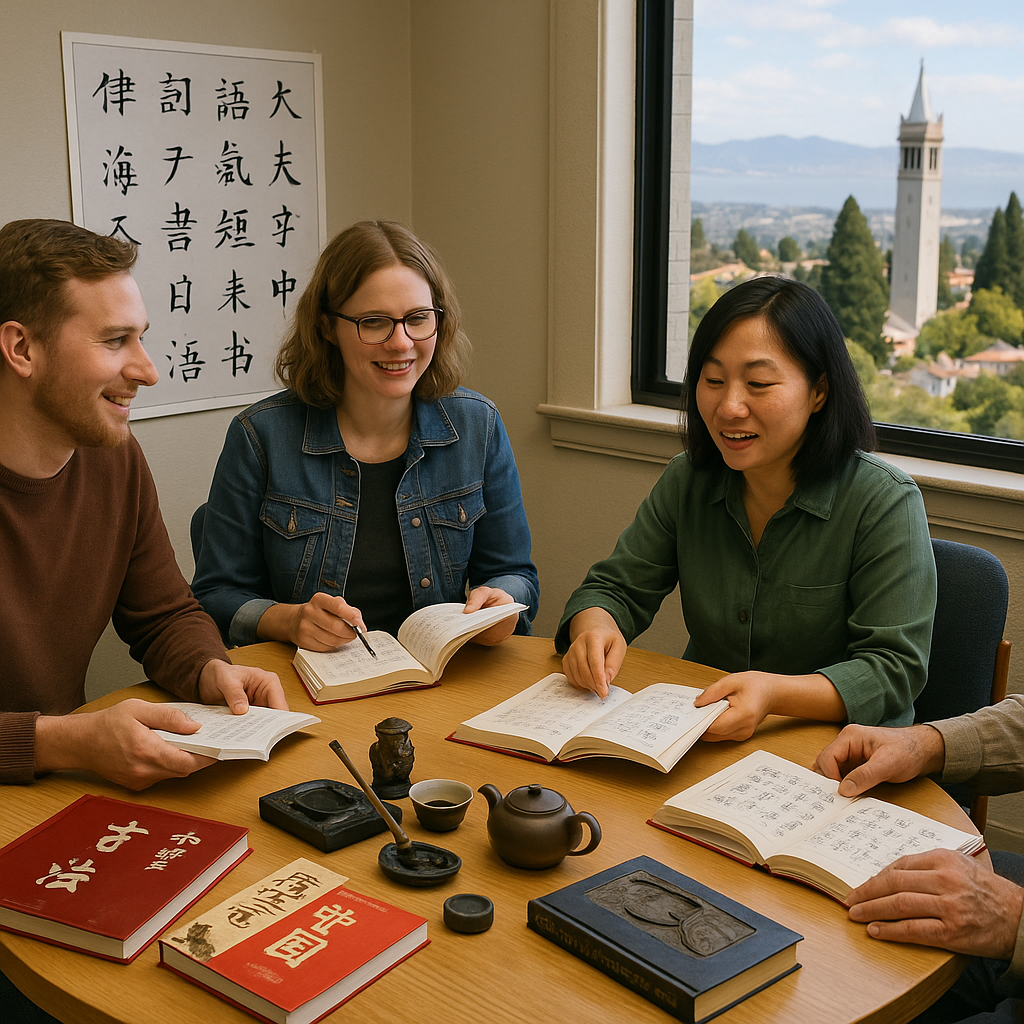
No plane ticket? No problem. Here’s how to immerse yourself in Mandarin—right here in the East Bay.
🌉 Introduction: Immersion Starts at Home—If You Know Where to Look
When most people think about immersing themselves in Mandarin, they picture hopping on a flight to Beijing, Shanghai, or Taipei. And sure—traveling abroad is an incredible way to accelerate your fluency. But what if we told you that you don’t need to leave Berkeley (or even the Bay Area) to start living in Mandarin?
In fact, Berkeley is one of the best places in the U.S. to immerse yourself in Chinese language and culture. Thanks to the city’s rich international community, its proximity to Oakland and San Francisco, and its vibrant food and arts scene, Mandarin is everywhere—if you know where to find it.
Whether you're a beginner just learning to say nǐ hǎo, or an intermediate speaker hoping to brush up on conversation, immersing yourself locally is one of the smartest and most sustainable ways to build real fluency. In this guide, we’ll show you how to surround yourself with Mandarin every day—without ever booking a flight.
🧭 Your Local Guide to Mandarin Immersion in Berkeley
1. Take Mandarin Classes at a Local Language School
Let’s start with the most effective strategy: structured learning. Enroll in small-group or private lessons with experienced instructors who can guide you through grammar, pronunciation, and conversation.
Here in Berkeley, Polyglottist Language Academy offers Mandarin classes for adults and teens at all levels. Classes are small (3–6 students), highly interactive, and focused on real-life communication. Whether you're learning tones for the first time or preparing for a business trip to China, there’s a class for you.
2. Shop and Dine at Chinese Markets and Restaurants
Language and food go hand in hand. Visit 99 Ranch Market in nearby Richmond or Berkeley Bowl to shop for Chinese ingredients. Read food labels in Mandarin, ask for items using simple phrases, and try naming vegetables out loud as you go.
For dining out, try local Mandarin-speaking restaurants where you can practice ordering. Some great picks include:
Great China (Berkeley)
Shandong Restaurant (Oakland)
Spices 3 (San Francisco)
Don’t be afraid to ask for the Chinese menu—or even say a few words to your server in Mandarin. Even short exchanges build confidence.
3. Join a Local Mandarin Conversation Group
Berkeley has plenty of meetups and language exchanges, including events hosted by UC Berkeley students and local cultural centers. Sites like Meetup.com, Eventbrite, and even bulletin boards at Berkeley Public Library often list Mandarin-speaking events.
These groups are a safe space to try speaking out loud—even if you make mistakes. And you’ll meet others who are on the same learning journey.
4. Read Chinese Signs, Menus, and Labels Around Town
Keep your eyes open—you’ll find Mandarin everywhere in Berkeley and the surrounding areas. Look for signs in store windows, packaging in Chinese groceries, bus stop ads, and bilingual restaurant menus.
Try reading characters aloud. Use translation apps like Pleco or Google Lens to decode unfamiliar words and slowly expand your vocabulary through daily exposure.
5. Watch Chinese Shows with Subtitles
If you're at home, turn on the immersion by watching Chinese dramas, variety shows, or news broadcasts. Use Netflix, YouTube, or iQIYI to stream content with Mandarin audio and subtitles.
Some beginner-friendly shows to try:
A Love So Beautiful (青春最好时)
The Story of Yanxi Palace (延禧攻略)
Street Dance of China (这!就是街舞)
Even 10–15 minutes a day of passive listening improves your ear for tones and cadence.
6. Switch Your Devices to Mandarin
If you’re feeling bold, change your phone or social media settings to Mandarin. You’ll start seeing vocabulary every time you check the weather, reply to a message, or open your calendar. It’s a subtle but powerful way to build immersion into your routine.
7. Celebrate Chinese Holidays and Festivals
Engage with the culture, not just the language. Look for local Lunar New Year parades in Oakland or San Francisco, Mid-Autumn Festival gatherings, or Chinese calligraphy workshops hosted by local community centers or schools.
These events give you cultural context for the words you’re learning—and often offer chances to speak Mandarin with others.
❓ FAQ: Mandarin Immersion in Berkeley
Q: Can I really get fluent without going to China or Taiwan?
A: Absolutely. Immersion is about creating a Mandarin-rich environment—and Berkeley gives you the tools if you know where to look.
Q: I’m a beginner. Is it okay to join conversation groups?
A: Yes! Most groups are very welcoming. Let people know you’re a beginner, and don’t worry about being perfect.
Q: How long does it take to see results with local immersion?
A: With consistent practice—like weekly classes and daily listening or reading—you’ll notice progress within a few months.
Q: What if I’m nervous to speak Mandarin in public?
A: Start small: greet a shopkeeper, order a dish in Mandarin, or introduce yourself. Every small step builds confidence.
Q: Is Polyglottist Language Academy only for beginners?
A: Not at all! We offer beginner to advanced classes, with conversation-based learning tailored to your level.
🎓 Ready to Start Speaking Mandarin with Confidence?
Whether you're dreaming of a trip to China or just want to hold your own in a local market, Mandarin immersion in Berkeley is 100% possible—and we're here to guide you.
At Polyglottist Language Academy, we offer expert-led, small-group Mandarin classes for adults and teens that help you build real-world communication skills—right here in the Bay Area or from the comfort of your home.
📍 In-person and online classes available for Berkeley, Oakland, San Francisco, San Jose, and beyond.
👉 Sign up for a Mandarin class today and let your immersion journey begin!
📚 More Blog Posts to Keep You Learning
What To Expect In Your First Adult Mandarin Class (And Why You’ll Love It)
How Mandarin Can Boost Your Career In The Bay Area Tech And Business Scene
Why Learning Mandarin As An Adult Is More Doable Than You Think
From Dumplings To Dialogues: How To Speak Mandarin At Bay Area Restaurants
Best Mandarin Classes For Busy Professionals In The Bay Area