
What Confucius Still Teaches Modern China—and You
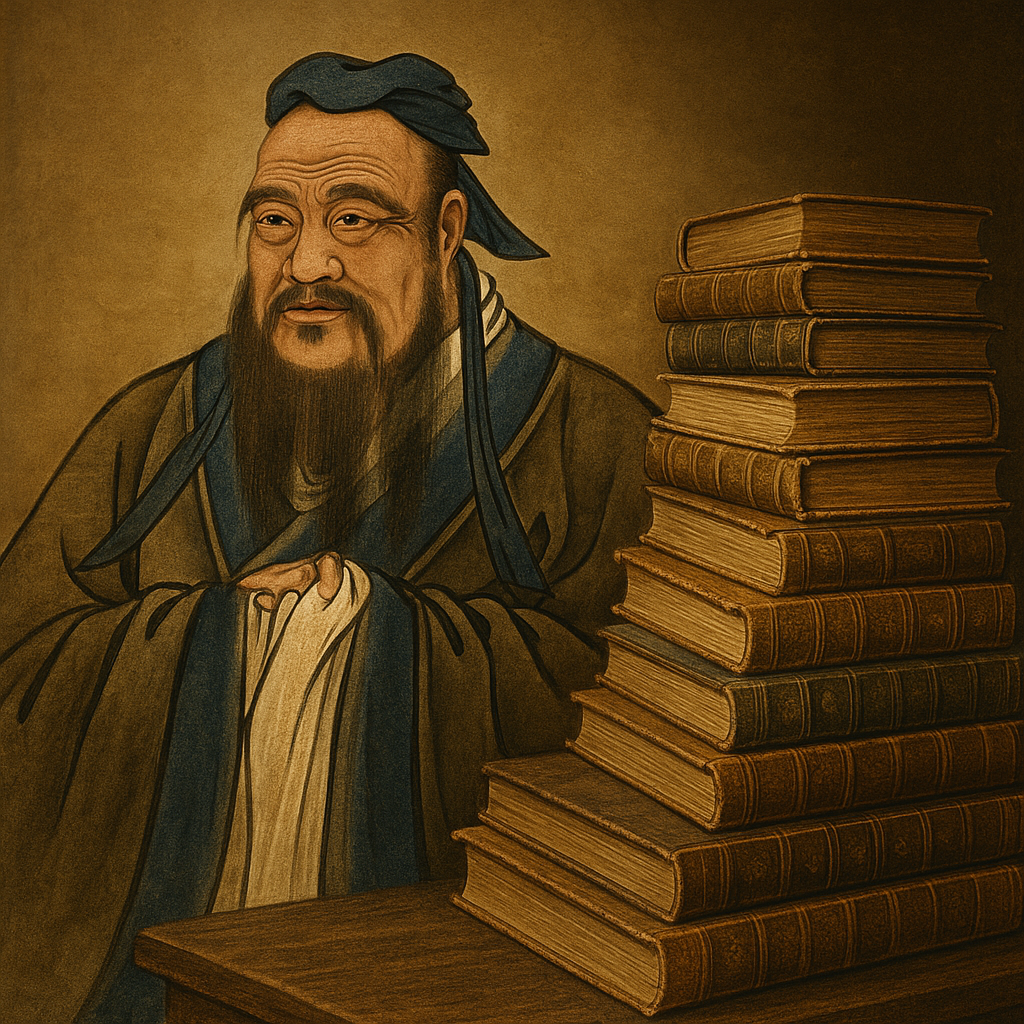
📜 Introduction: Ancient Wisdom That Shapes a Billion Lives (and Might Shape Yours Too)
If you’ve ever visited China, studied Mandarin, or even watched a Chinese historical drama, chances are you’ve felt the shadow of Confucius—the ancient philosopher whose influence still pulses through modern Chinese society.
More than 2,500 years after his birth, Confucius (Kǒng Zǐ / 孔子) remains a towering figure not just in textbooks, but in everyday thinking, social norms, family expectations, and national policy. His teachings—captured in the Analects—aren’t just historical relics. They’re cultural DNA. And understanding Confucian values can unlock much more than insight into China’s past. They can help you speak Mandarin with more nuance, interact with Chinese friends and colleagues more effectively, and even reflect on your own values in today’s hyper-individualistic world.
But here’s the surprising twist: the wisdom of Confucius isn’t just for scholars or philosophers. It’s everywhere in modern China—from how people greet their elders to how companies structure leadership, how children are raised, and how society measures success. And for language learners, cultural travelers, or anyone fascinated by the East, learning about Confucius opens the door to a richer, more layered experience of China.
In this article, we’ll break down what Confucius taught, how his ideas continue to shape contemporary China, and what those ideas might teach you, wherever you are in the world.
👨🏫 Who Was Confucius, Really?
Confucius (551–479 BCE) was a Chinese philosopher, teacher, and political theorist during the tumultuous Spring and Autumn Period. He wasn’t a mystical guru or religious founder—he was a practical thinker concerned with how humans can live in harmony.
His philosophy focused on:
Ethical behavior
Social roles and responsibility
Filial piety (respect for parents and elders)
Ritual and propriety
Self-cultivation
He believed society could be stable and harmonious if individuals developed moral character, followed proper roles, and treated others with empathy and respect.
His most famous work? The Analects (论语 – Lúnyǔ), a collection of his sayings recorded by his disciples.
🇨🇳 Confucius in Modern China: Alive and Well
While Confucius was once criticized during the Cultural Revolution, his reputation has since undergone a major revival. Today, he is not only taught in schools but invoked by politicians, corporate leaders, and even social influencers.
Here’s how his influence plays out in daily life:
👪 1. Family Structure and Filial Piety (孝 – xiào)
Confucian thought emphasizes that family is the foundation of society. Respecting parents, caring for elders, and honoring ancestors are still essential values in China today.
How you’ll see it: Adult children financially supporting their parents, celebrating holidays like Qingming (Tomb-Sweeping Day), and prioritizing family unity over personal freedom.
🏛 2. Respect for Authority and Social Harmony
Confucius taught that social order comes from everyone fulfilling their roles—with rulers, teachers, and parents as moral leaders.
How you’ll see it: Deference to teachers, formality in workplace hierarchies, and strong national unity as a collective good.
🤝 3. Emphasis on Ritual and Manners (礼 – lǐ)
Ritual, for Confucius, wasn’t just ceremony—it was about showing respect and strengthening relationships.
How you’ll see it: Attention to greetings, gift-giving customs, and respectful communication in Mandarin (like using 您 – “nín,” the formal “you”).
🎓 4. Lifelong Learning and Self-Improvement
One of Confucius’s core values was the pursuit of self-cultivation—not for status, but for moral development.
How you’ll see it: A strong emphasis on education, competitive academic systems, and personal reflection as a virtue.
🌏 What Confucius Might Teach You
Even if you’re not Chinese—or not religious—Confucianism offers timeless wisdom for modern life. Here are three ideas worth adopting:
✅ 1. Relationships Matter More Than Individualism
Confucius reminds us that a meaningful life isn’t about going it alone—it’s about how we treat others and contribute to community.
✅ 2. Courtesy Isn’t Outdated
In a world where casualness often wins, Confucius teaches the value of thoughtfulness, modesty, and respect—even in small things like greetings and tone.
✅ 3. Self-Work Is Never Done
Confucius believed virtue is a daily practice. Even if we fail, the goal is always to improve—not to be perfect.
📚 FAQs About Confucius and Modern Chinese Culture
❓Is Confucianism a religion?
Not exactly. It’s more a philosophy or ethical system. There’s no god or heaven—but there is a deep concern with virtue, ritual, and human relationships.
❓Do young people in China still care about Confucian values?
Yes, though it varies. Many young people blend traditional values (like respect for family) with modern ambitions. Confucian values still shape expectations in family, school, and work.
❓How can understanding Confucianism help language learners?
It helps you grasp why Mandarin is structured the way it is—why formality, politeness, and deference matter. It also helps you interpret body language, speech levels, and social customs more accurately.
❓Is Confucius taught in Chinese schools today?
Yes. His sayings appear in textbooks, national speeches, and moral education programs. His legacy is deeply embedded in China’s cultural curriculum.
❓Can Confucian values clash with Western ideas?
Sometimes. For example, Western individualism may conflict with Confucian emphasis on duty and hierarchy. But these differences also make intercultural understanding richer and more interesting.
📣 Want to Learn Mandarin and Understand Chinese Culture?
At Polyglottist Language Academy, we teach Mandarin in a way that goes beyond vocabulary. We help you understand the cultural logic behind the language—so you don’t just speak Chinese, you connect with it.
Our small group Mandarin classes (3–6 students max) offer real conversation practice, cultural insights, and expert guidance—online or in person in Berkeley, serving learners from Oakland, San Francisco, San Jose, and beyond.
👉 Join us today and discover how language + culture = fluency. Click here to sign up!
📖 More Mandarin Articles You’ll Love:
What To Expect In Your First Adult Mandarin Class (And Why You’ll Love It)
How Mandarin Can Boost Your Career In The Bay Area Tech And Business Scene
Why Learning Mandarin As An Adult Is More Doable Than You Think
From Dumplings To Dialogues: How To Speak Mandarin At Bay Area Restaurants
Best Mandarin Classes For Busy Professionals In The Bay Area
Managing Language Anxiety: Psychological Strategies For Relaxation And Focus
Mastering Politeness Levels And Formality In Different Cultures
Building A Daily Language Routine: How Consistency Drives Fluency
Confucius shaped a civilization. His ideas still shape modern China—and they can shape your Mandarin learning journey too. Learn the language, explore the culture, and grow in the process—with Polyglottist by your side.
🀄📘🎓