
Top 5 Regions in China for Nature, Culture, and Food
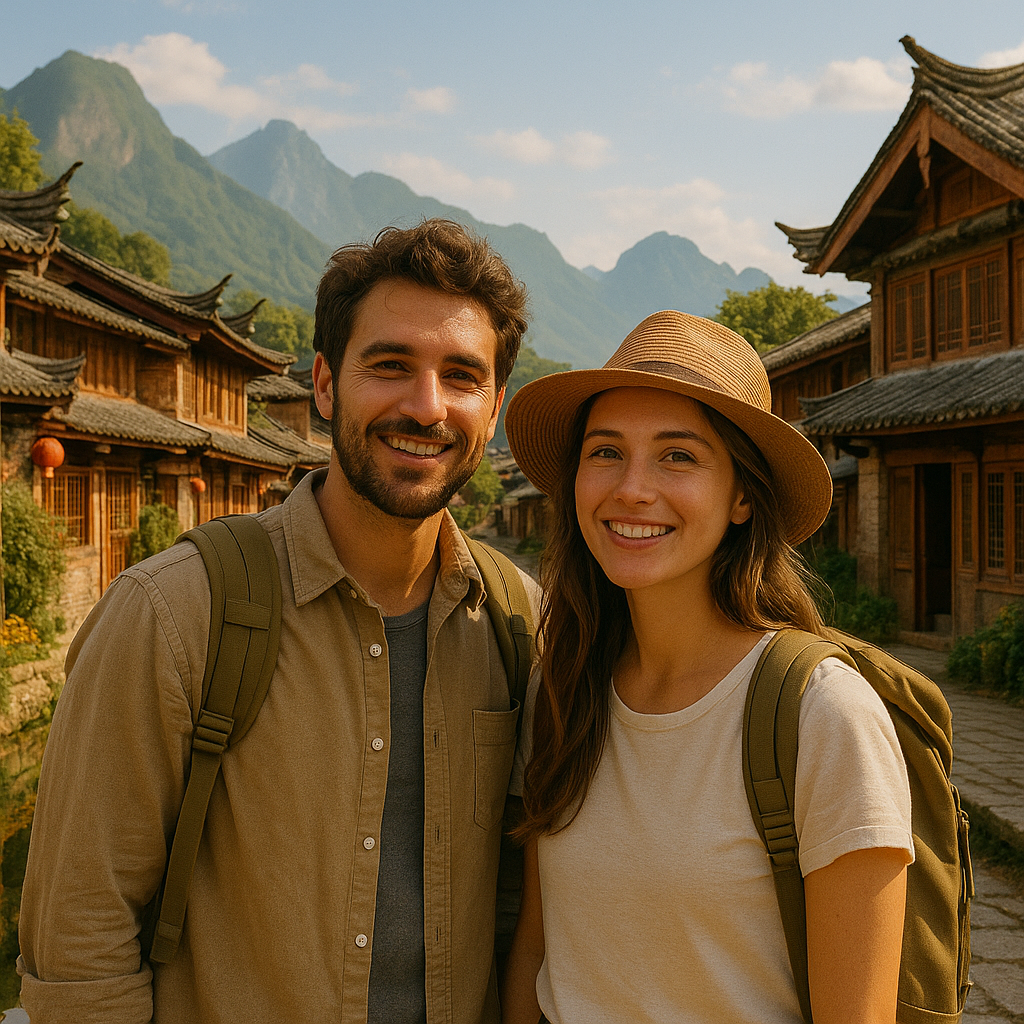
Where to Go for an Unforgettable Journey Through China’s Heart and Soul
🌏 Introduction: Why Explore Regional China?
When most people think of China, the towering skyline of Shanghai or the bustling streets of Beijing might come to mind. While these mega-cities are impressive in their own right, they represent only a tiny fraction of what this vast country has to offer. China is a land of astonishing diversity—geographically, culturally, and culinarily. From snow-capped mountains and terraced rice fields to fiery cuisine and centuries-old traditions, each region in China is like a world unto itself.
And yet, many travelers barely scratch the surface.
To truly understand China—not just as a country, but as a civilization—you must venture beyond the urban centers and into the regions that define it. China is home to 56 ethnic groups, hundreds of dialects, and traditions that have evolved independently over millennia. In every province, you’ll find a different flavor on your plate, a different rhythm in the streets, and a different relationship to nature, history, and the cosmos.
This article is your guide to the Top 5 Regions in China that offer the most breathtaking mix of natural beauty, cultural depth, and unforgettable food. Whether you’re planning your first trip or already in love with China and looking for your next adventure, these regions will change the way you see the country—and yourself.
🏔️ 1. Yunnan Province 云南
“Where China Meets Southeast Asia, and the Mountains Kiss the Sky”
🌄 Nature:
Yunnan is one of the most ecologically diverse provinces in China, with snow-capped peaks, subtropical rainforests, and alpine lakes. It borders Vietnam, Laos, and Myanmar, and this intersection of terrains makes it a haven for nature lovers. Don’t miss:
Tiger Leaping Gorge: One of the deepest gorges in the world
Lugu Lake: A serene, high-altitude lake shared with Sichuan
Stone Forest: An otherworldly limestone landscape
Meili Snow Mountain: Sacred to Tibetan Buddhists
🧧 Culture:
Yunnan is home to over 25 different ethnic minorities, including the Bai, Naxi, and Dai peoples. The city of Lijiang is a UNESCO World Heritage Site with cobblestone streets and traditional wooden houses that reflect the harmony between Han Chinese and minority cultures.
Naxi music and Dongba pictographic writing
Minority festivals like the Torch Festival and Water Splashing Festival
🍲 Food:
Yunnan cuisine is rich, earthy, and mushroom-heavy. It’s known for its:
Crossing-the-Bridge Rice Noodles (过桥米线)
Wild mushroom hot pot
Yunnan ham and cured meats
Fresh herbs and flowers used in cooking
🏞️ 2. Sichuan Province 四川
“Spicy, Spiritual, and Sublime”
🌄 Nature:
Home to giant pandas, misty mountains, and rushing rivers, Sichuan is where Taoist philosophy and Buddhist spirituality meet dramatic natural beauty.
Mount Emei: One of China’s Four Sacred Buddhist Mountains
Jiuzhaigou Valley: A fairy-tale landscape of turquoise lakes and waterfalls
Huanglong: Known for its colorful pools and travertine formations
🧧 Culture:
Sichuan is a cradle of Taoism and Buddhism, and you’ll see temples nestled into hillsides and monks walking in markets. The city of Chengdu is one of China’s cultural capitals—known for its laid-back lifestyle and teahouse culture.
Chengdu Opera and famous face-changing performances
Calligraphy, poetry, and traditional Sichuan embroidery
Ancient towns like Leshan and Luodai
🌶️ Food:
One word: spicy. Sichuan cuisine is beloved for its bold flavors and use of Sichuan peppercorns, which create a numbing, tingling sensation.
Mapo Tofu
Kung Pao Chicken (宫保鸡丁)
Twice-cooked pork
Chongqing hotpot
🌾 3. Guangxi Zhuang Autonomous Region 广西
“Karst Peaks and Ethnic Beats”
🌄 Nature:
Guangxi is home to some of the most surreal landscapes in China. Its karst mountains rise like spires from the earth, creating postcard-perfect vistas.
Guilin and Yangshuo: Famous for river cruises and limestone peaks
Detian Waterfall: Shared with Vietnam, and the largest transnational waterfall in Asia
Longji Rice Terraces: Ingeniously carved into steep hills by the Zhuang and Yao peoples
🧧 Culture:
Guangxi is predominantly populated by the Zhuang ethnic group, China’s largest minority. Their traditions, embroidery, and architecture add a vibrant layer to the region.
Traditional drum towers and wind-rain bridges
Colorful festivals like the Sanyuesan Festival
Folk songs used in courtship rituals
🥬 Food:
Guangxi cuisine is more subtle than Sichuan’s, often sour, herbal, and focused on freshness.
Luo Si Fen (螺蛳粉): Spicy rice noodles with river snails and fermented bamboo shoots
Steamed dishes with mountain herbs
Pickled vegetables and river fish
⛰️ 4. Xinjiang Uyghur Autonomous Region 新疆
“Silk Road Echoes in a Desert Kingdom”
🌄 Nature:
Xinjiang is wild and expansive, with deserts, snow-capped mountains, and clear blue lakes. It’s China’s largest province and one of the most remote.
Tianshan Mountains
Karakul Lake near the Pakistani border
Taklamakan Desert
Kashgar Old Town: A Silk Road gem that feels worlds away
🧧 Culture:
The Uyghur people dominate Xinjiang’s cultural landscape, which is Islamic, Turkic, and Central Asian in flavor. The Sunday Market in Kashgar and camel caravans in the desert are vivid echoes of the Silk Road.
Distinct mosques, bazaars, and music styles
Traditional Muqam dance and storytelling
Intricate carpet weaving and leatherwork
🍖 Food:
Uyghur cuisine features lamb, hand-pulled noodles, cumin, and naan. It's hearty, flavorful, and deeply satisfying.
Laghman noodles
Kebabs
Polo (pilaf)
Dapanji (big-plate chicken with potatoes and peppers)
🌊 5. Fujian Province 福建
“Where Mountains Meet the Sea and Teapots Tell Stories”
🌄 Nature:
Located on the southeastern coast, Fujian is a region of lush green hills and coastal magic.
Wuyi Mountains: A UNESCO World Heritage Site and tea-growing haven
Gulangyu Island: Colonial architecture and piano museums
Tulous: Round earth buildings traditionally inhabited by Hakka families
🧧 Culture:
Fujian is a blend of Han Chinese and Hakka heritage. It’s also home to many overseas Chinese communities and ancient seafaring traditions.
Unique Min dialects that are vastly different from Mandarin
Historic ports and temples dedicated to Mazu, the sea goddess
Teahouses and ceramic teapots passed down through generations
🦐 Food:
Fujian cuisine is all about umami, seafood, and broths.
Buddha Jumps Over the Wall: A complex, high-end soup with abalone and shark fin
Fish ball soup
Oyster omelet
Sweet peanut soup and taro desserts
🙋♀️ FAQs About Traveling and Exploring China’s Regions
Q: Do I need to speak Mandarin to travel in these regions?
Basic Mandarin is helpful, especially in rural areas. English is more common in major cities, but locals will appreciate any effort you make to speak Chinese.
Q: Are these regions safe for solo travelers?
Yes! China is generally very safe. Just use the same precautions you would anywhere.
Q: What’s the best time to visit these regions?
Yunnan: March–June, Sept–Nov
Sichuan: April–June, Sept–Nov
Guangxi: March–May, Oct–Nov
Xinjiang: June–Sept
Fujian: Oct–Dec
Q: Do I need a special visa for remote areas like Xinjiang?
No special visa is required, but security checks are more frequent in Xinjiang.
Q: How can I prepare for culture shock in remote areas?
Learn about local customs, stay open-minded, and study some regional Mandarin expressions.
🎓 Want to Explore These Places? Start with Mandarin
Understanding regional China starts with learning the language.
At Polyglottist Language Academy, we offer engaging, personalized Mandarin classes that help you speak confidently and navigate China’s diverse regions with ease. Whether you’re traveling, relocating, or just fascinated by Chinese culture, our classes will empower you to connect, explore, and grow.
📍 Join us online or in-person in Berkeley, Oakland, San Jose, Sacramento, Santa Rosa, Reno, and Portland.
👉 Click here to sign up for Mandarin classes today!
📚 More Blog Posts to Explore
What To Expect In Your First Adult Mandarin Class (And Why You’ll Love It)
How Mandarin Can Boost Your Career In The Bay Area Tech And Business Scene
Why Learning Mandarin As An Adult Is More Doable Than You Think
From Dumplings To Dialogues: How To Speak Mandarin At Bay Area Restaurants
Best Mandarin Classes For Busy Professionals In The Bay Area