
The 10 Chinese Dishes Everyone Should Try at Least Once
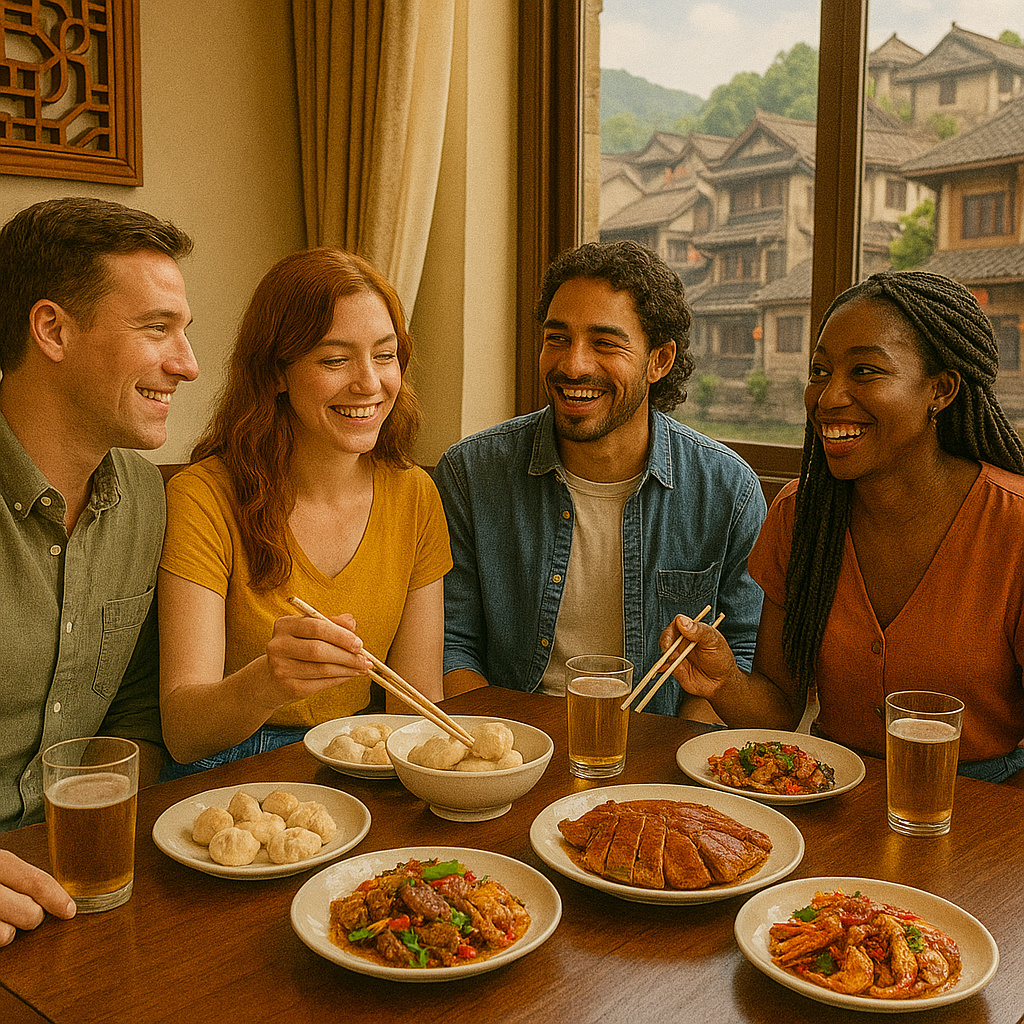
A delicious journey through the heart of Chinese cuisine—from soup dumplings to fiery hotpot.
Introduction: Chinese Food Is More Than Takeout
When you think of Chinese food, what comes to mind? Sweet and sour chicken? Egg rolls? Fried rice?
If that’s the full extent of your Chinese culinary experience, you’re only tasting the tiniest tip of an iceberg that stretches across thousands of years, dozens of provinces, and hundreds of regional cuisines. Chinese food isn’t just a category—it’s an entire world, shaped by history, geography, and philosophy.
In fact, calling it “Chinese food” is a little misleading. China is home to eight officially recognized culinary traditions (known as the Eight Great Cuisines), each with its own flavors, ingredients, and cooking techniques. From the numbing spice of Sichuan peppercorns to the subtle elegance of Cantonese steamed fish, Chinese cuisine is one of the richest, most diverse, and most influential food cultures on Earth.
This list doesn’t attempt to represent every province or specialty. Instead, it highlights 10 iconic Chinese dishes that everyone should try at least once—whether you’re a foodie, a language learner, or just curious about Chinese culture. Some are famous worldwide; others are beloved classics in China that are just starting to gain international recognition.
If you’re planning a trip to China, dining at a Chinese restaurant near you, or simply looking to expand your cooking repertoire, these 10 dishes are a great way to begin your journey through the delicious depths of Chinese cuisine.
1. Xiaolongbao (小笼包) – Soup Dumplings from Shanghai
Delicate, elegant, and unexpectedly soupy inside, xiaolongbao are a masterpiece of Chinese dim sum. These steamed dumplings from Jiangnan (especially Shanghai and Suzhou) contain seasoned pork and rich broth sealed inside a thin wrapper.
What makes it special:
The soup is gelatinized and melts during steaming.
Best eaten with black vinegar and thin ginger slivers.
They require a specific technique to eat: gently lift with chopsticks, bite the top, sip the soup, then devour.
🥢 Must-try for anyone curious about Chinese texture and technique.
2. Peking Duck (北京烤鸭) – A Dish Fit for Emperors
Originating from Beijing and perfected in imperial kitchens, Peking Duck is a sensory experience: crackling skin, tender meat, and pancakes to wrap it all up.
What makes it special:
The duck is air-dried and roasted to ensure crisp skin.
Served with spring onions, hoisin sauce, and thin pancakes.
The skin is often carved table-side in a multi-course presentation.
🦆 It's not just food—it’s a performance.
3. Mapo Tofu (麻婆豆腐) – Fiery Comfort from Sichuan
Spicy, numbing, and deeply savory, mapo tofu is one of Sichuan’s most beloved dishes. It features soft tofu in a sauce of fermented broad bean paste, chili oil, and Sichuan peppercorns.
What makes it special:
Balances mala (numbing and spicy) flavors.
Often includes minced pork or beef.
Best eaten with plain white rice to soak up the sauce.
🔥 It’s the dish that will forever change how you think about tofu.
4. Hotpot (火锅) – The Ultimate Communal Feast
More than a meal, hotpot is an experience—gather around a bubbling pot of broth and cook your own vegetables, meats, and tofu at the table.
What makes it special:
Broths range from mild to mouth-numbing spicy.
Dip cooked food in sauces you mix yourself (sesame, garlic, chili oil, etc.).
Often includes thin-sliced beef, lotus root, mushrooms, and tofu skin.
👨👩👧👦 Best shared with friends or family. Every region has its own variation, from Chongqing to Yunnan.
5. Jiaozi (饺子) – Traditional Dumplings of the North
Often eaten during Chinese New Year, jiaozi are dumplings filled with pork, shrimp, vegetables, or even eggs and leeks.
What makes it special:
Can be boiled, steamed, or pan-fried.
Symbol of prosperity and family togetherness.
Served with soy sauce, vinegar, and garlic.
🥟 Eating jiaozi is practically a cultural rite of passage.
6. Gong Bao Chicken (宫保鸡丁) – The Real Kung Pao Chicken
Forget the overly sweet versions served in Western takeout joints. The real Gong Bao Chicken is a spicy, tangy Sichuan dish made with chicken, dried chilies, peanuts, and a slightly sweet vinegar sauce.
What makes it special:
Crunchy peanuts and tender chicken balance each other perfectly.
A staple of Sichuan cooking with strong flavors but mild heat.
One of the most accessible dishes for newcomers to spicy Chinese food.
🍗 It’s familiar, but done the Chinese way.
7. Lanzhou Beef Noodles (兰州牛肉面) – China’s Most Famous Noodle Bowl
Hailing from the northwestern city of Lanzhou, these hand-pulled noodles are served in a rich, clear beef broth with slices of beef, radish, scallions, and chili oil.
What makes it special:
Made with freshly pulled la mian (hand-stretched noodles).
Topped with cilantro, preserved veggies, and a hint of garlic.
A Halal tradition from China’s Hui Muslim population.
🍜 Comfort food with depth and heritage.
8. Char Siu (叉烧) – Cantonese BBQ Pork
Red, sticky, and smoky, Char Siu is barbecued pork from Guangdong province, often seen hanging in restaurant windows.
What makes it special:
Marinated in honey, soy sauce, hoisin, and Chinese five-spice.
Served with rice or stuffed in steamed buns (char siu bao).
Sweet and savory with a caramelized glaze.
🔥 Perfect for meat lovers and barbecue fans.
9. Dan Dan Noodles (担担面) – Spicy Noodles with a Crunch
These Chengdu-origin noodles are served in a spicy sauce made from chili oil, Sichuan pepper, minced pork, pickled vegetables, and crushed peanuts.
What makes it special:
Known for its ma la (numbing spicy) sensation.
The sauce is bold, complex, and packed with umami.
Ideal for those who want to explore Sichuan street food.
🌶️ Not for the faint of heart—but worth every bite.
10. Zongzi (粽子) – Sticky Rice Wrapped in Leaves
Traditionally eaten during the Dragon Boat Festival, zongzi are sticky rice dumplings wrapped in bamboo or reed leaves.
What makes it special:
Can be sweet (with red bean or jujube) or savory (with pork, mushrooms, and salted egg yolk).
Steamed or boiled for several hours.
A festive food with ancient origins.
🎋 A bite of zongzi is a bite of history.
FAQs: Exploring Chinese Cuisine
Is Chinese food in China different from Chinese food in the West?
Absolutely. Many dishes have been adapted abroad. The real thing is more regional, nuanced, and often less sweet or oily.
Is it hard to order food in China if you don’t speak Mandarin?
It can be—but many restaurants have picture menus. Apps like Pleco and Google Translate help a lot. Learning a few food-related words is a huge plus.
Is Chinese food safe for travelers?
Generally, yes. Stick to busy places, watch food prep hygiene, and eat food that’s been cooked thoroughly.
Can vegetarians eat well in China?
Yes, especially in Buddhist temples and in cities like Hangzhou. But be specific—many vegetable dishes include meat-based broths or small bits of pork.
What’s the difference between Northern and Southern Chinese food?
Northern cuisine is wheat-based (noodles, dumplings) and hearty. Southern cuisine (like Cantonese) uses more rice, lighter flavors, and steaming.
What is the spiciest cuisine in China?
Sichuan and Hunan cuisines are known for their intense use of chilies and numbing Sichuan peppercorn.
Can I learn to make these dishes at home?
Yes! Many are beginner-friendly. You can find recipes online—or better yet, take a cooking class in China.
Do I need to use chopsticks for everything?
Chopsticks are common, but it’s okay to ask for a spoon or fork in tourist areas. Learning chopsticks etiquette is part of the cultural fun!
Taste the Culture—And Learn the Language
Food is a doorway into culture, and nowhere is that more true than in China. Each bite of mapo tofu or xiaolongbao tells a story—not just about ingredients, but about migration, dynasty, family, and identity. Want to truly understand Chinese cuisine? Pair your food journey with a few Mandarin lessons.
At Polyglottist Language Academy, we offer Mandarin classes designed for travelers, foodies, and culture lovers. You’ll learn how to order with confidence, read menus, and connect more deeply with local people and traditions.
👉 Sign up today and let your taste buds lead the way.
📚 Hungry for More?
Explore more of our articles about language, culture, and travel in China:
What To Expect In Your First Adult Mandarin Class (And Why You’ll Love It)
How Mandarin Can Boost Your Career In The Bay Area Tech And Business Scene
Why Learning Mandarin As An Adult Is More Doable Than You Think
From Dumplings To Dialogues: How To Speak Mandarin At Bay Area Restaurants
Best Mandarin Classes For Busy Professionals In The Bay Area