
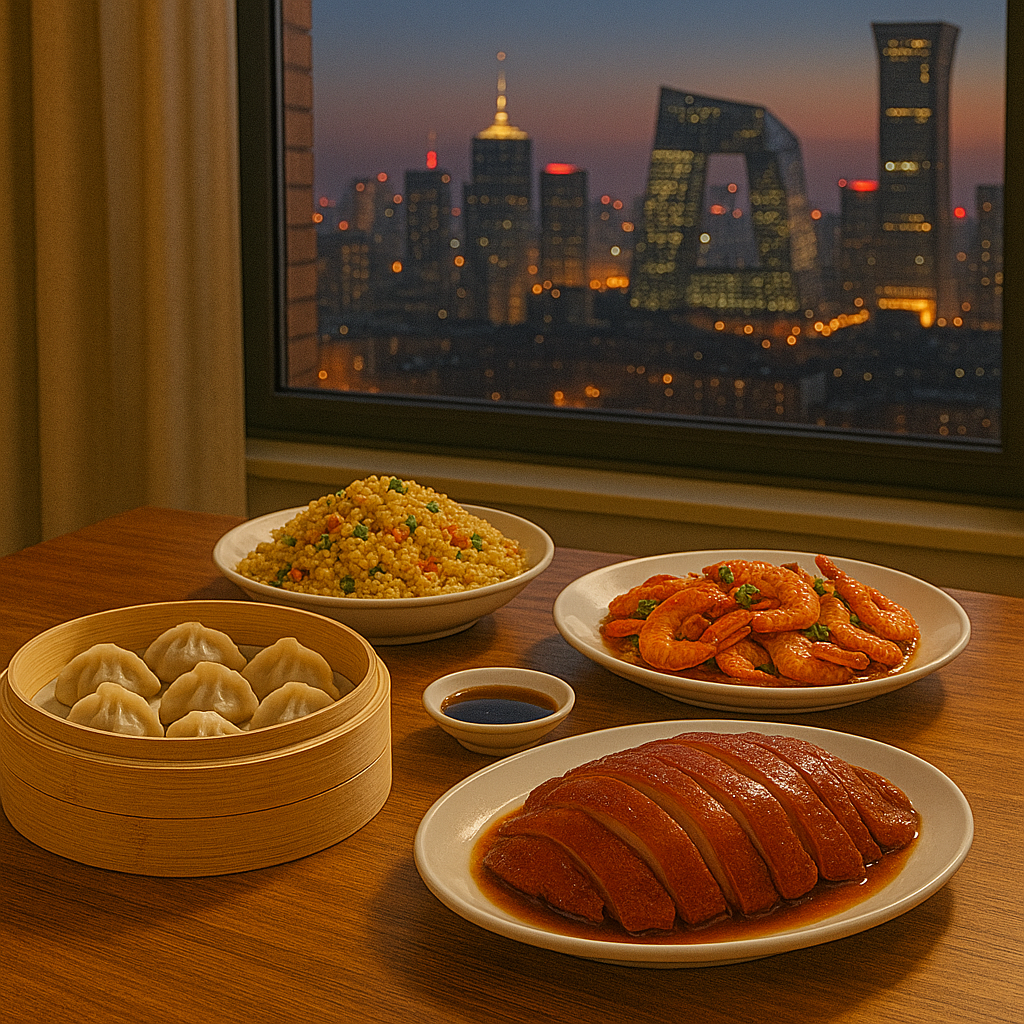
Explore Chinese cuisine one bite—and one character—at a time.
The Language of Food: Why Every Mandarin Learner Should Start with the Menu
If you're learning Mandarin or planning a trip to China, you might be drilling tones and memorizing vocabulary—but have you studied the menu?
Food is the heart of Chinese culture. It’s how families bond, how cities define themselves, how holidays are celebrated, and how respect is shown. And for language learners, Chinese cuisine offers one of the most delicious ways to learn. The names of dishes often reflect regional identities, cooking techniques, poetic descriptions, or historical stories—all wrapped in a single mouthwatering phrase.
But for beginners, Chinese menus can feel like cryptic puzzles. What’s the difference between shuǐjiǎo and zhēngjiǎo? Why are there five different words for “chicken”? And what exactly is Peking duck, anyway?
In this 3,000-word beginner’s guide, we’ll walk you through the classic dishes of Chinese cuisine—from dumplings and noodles to duck and desserts—while unpacking the language behind the food. You’ll come away not only hungry, but better equipped to order in Mandarin, understand Chinese menus, and impress your friends at your next dim sum brunch.
PART 1: THE BIG PICTURE—UNDERSTANDING CHINESE CUISINE
Before we get to the individual dishes, let’s take a step back.
🍲 What Makes Chinese Food Unique?
Chinese cuisine is not one single tradition. It’s a rich tapestry of eight major regional cuisines, each with its own flavor profile, cooking techniques, and iconic dishes:
Cantonese (粤菜) – Mild, slightly sweet, lots of steaming and stir-frying
Sichuan (川菜) – Bold, spicy, famous for numbing peppercorns (má là)
Hunan (湘菜) – Hot and fragrant, with lots of chili, garlic, and preserved ingredients
Shandong (鲁菜) – Seafood-rich, crispy textures, aromatic broths
Jiangsu (苏菜) – Elegant presentation, often slightly sweet, great use of seasonal ingredients
Zhejiang (浙菜) – Light and fresh, focused on natural flavors
Fujian (闽菜) – Seafood-heavy with a balance of sweet and sour
Anhui (徽菜) – Wild herbs, slow braising, deep mountain flavors
So, when someone says “Chinese food,” they’re actually referring to a continent’s worth of variety. Knowing which region a dish comes from helps you predict its taste and better understand its name in Mandarin.
PART 2: DUMPLINGS 101
🥟 饺子 (Jiǎozi) – Dumplings
Perhaps the most iconic of all Chinese dishes, dumplings are a staple of northern China and symbolize wealth during Lunar New Year.
Types to Know:
水饺 (Shuǐjiǎo) – Boiled dumplings
煎饺 (Jiānjiǎo) – Pan-fried dumplings (often called potstickers)
蒸饺 (Zhēngjiǎo) – Steamed dumplings
Common fillings: Pork and cabbage (猪肉白菜), shrimp and chive (虾仁韭菜), or mushroom and tofu for vegetarians (香菇豆腐).
🍲 Bonus Vocabulary:
包子 (Bāozi) – Steamed buns, typically larger and fluffier
小笼包 (Xiǎolóngbāo) – Soup dumplings from Shanghai, filled with meat and broth
馄饨 (Húntún) – Wontons, usually served in soup
PART 3: NOODLES YOU NEED TO KNOW
🍜 面条 (Miàntiáo) – Noodles
In China, noodles aren’t just food—they’re a metaphor for life, longevity, and regional identity.
Famous Noodle Dishes:
兰州拉面 (Lánzhōu lāmiàn) – Hand-pulled beef noodle soup from Gansu
炸酱面 (Zhàjiàngmiàn) – Beijing-style noodles with fermented soybean paste
担担面 (Dàndànmiàn) – Sichuan spicy noodles with minced meat and sesame sauce
热干面 (Règānmiàn) – “Hot dry noodles” from Wuhan, usually eaten for breakfast
Noodle Styles to Watch For:
手拉面 (shǒu lā miàn) – Hand-pulled noodles
刀削面 (dāo xiāo miàn) – Knife-cut noodles
米粉 (mǐfěn) – Rice noodles (especially common in southern China)
PART 4: RICE, STIR-FRIES & HOMESTYLE FAVORITES
🍚 米饭 (Mǐfàn) – Steamed white rice
The backbone of many Chinese meals, often served plain to accompany stronger dishes.
🍛 炒饭 (Chǎofàn) – Fried rice
A staple comfort food. Look for:
扬州炒饭 (Yángzhōu chǎofàn) – Classic mix of shrimp, egg, peas, and ham
咖喱炒饭 (Gālí chǎofàn) – Curry fried rice
素炒饭 (Sù chǎofàn) – Vegetarian version
🍳 番茄炒蛋 (Fānqié chǎo dàn) – Tomato and egg stir-fry
A simple, beloved home-cooked dish. Sweet, savory, and comforting.
🍆 鱼香茄子 (Yúxiāng qiézi) – “Fish-fragrant” eggplant
Despite the name, this dish contains no fish. It refers to the sauce, which uses garlic, ginger, and vinegar—a favorite in Sichuan cuisine.
PART 5: MEAT & SEAFOOD DISHES TO MASTER
🦆 北京烤鸭 (Běijīng kǎoyā) – Peking Duck
Crispy skin, tender meat, and a ritualized serving style involving pancakes, scallions, and sweet bean sauce. A must-try in Beijing.
🐔 宫保鸡丁 (Gōngbǎo jīdīng) – Kung Pao Chicken
A Sichuan dish with diced chicken, peanuts, dried chili peppers, and a tangy sauce. Often imitated, rarely matched.
🐖 红烧肉 (Hóngshāo ròu) – Red-braised pork belly
Slow-braised in soy sauce and sugar until melt-in-your-mouth tender. A national favorite made famous by Chairman Mao.
🦐 干烧虾仁 (Gānshāo xiārén) – Dry-braised shrimp
Crispy shrimp in a slightly spicy, sweet glaze. Common in banquet meals.
PART 6: VEGETABLE & TOFU DISHES THAT SHINE
🥬 青菜 (Qīngcài) – Generic word for “greens”
Usually stir-fried with garlic or soy sauce. Popular varieties include 小白菜 (bok choy), 空心菜 (water spinach), and 芥兰 (Chinese broccoli).
🧈 麻婆豆腐 (Mápó dòufu) – Spicy tofu in chili oil
A famous Sichuan dish known for its málà (numbing and spicy) flavor. Best eaten with rice.
🌱 家常豆腐 (Jiācháng dòufu) – Homestyle tofu
Pan-fried tofu cooked with soy sauce, vegetables, and garlic. Cozy and flavorful.
PART 7: SWEETS, SNACKS, AND STREET FOOD
🍡 糖葫芦 (Tánghúlu) – Candied hawthorn
A popular Beijing street snack: fruit skewered and coated in a crunchy sugar shell.
🥮 月饼 (Yuèbǐng) – Mooncakes
Eaten during the Mid-Autumn Festival, often filled with lotus paste, red bean, or salted egg yolk.
🍢 烧烤 (Shāokǎo) – Chinese BBQ skewers
Grilled meats and vegetables dusted with cumin and chili powder. Common in night markets.
🍵 豆花 (Dòuhuā) – Silken tofu pudding
A soft tofu dessert served with syrup or savory toppings, depending on the region.
PART 8: How to Read a Chinese Menu
Chinese menus rarely follow a Western appetizer–entrée–dessert format. Instead, they often categorize by:
Meat type (beef, chicken, pork, seafood)
Cooking method (braised, stir-fried, steamed)
Cold vs. hot dishes
Noodles, rice, soup
Learning key characters helps:
牛 (niú) – beef
鸡 (jī) – chicken
猪 (zhū) – pork
鱼 (yú) – fish
炒 (chǎo) – stir-fried
汤 (tāng) – soup
饭 (fàn) – rice
面 (miàn) – noodles
Tip: Don’t be afraid to ask, “这道菜是什么?” (Zhè dào cài shì shénme?) – “What is this dish?”
Frequently Asked Questions (FAQs)
Q: I’m vegetarian—can I enjoy Chinese food easily?
A: Absolutely. Tofu and vegetable dishes are a huge part of Chinese cuisine. Just say “我吃素” (Wǒ chī sù) – “I’m vegetarian.”
Q: What are the most beginner-friendly dishes to try?
A: Start with dumplings (饺子), fried rice (炒饭), tomato-egg stir-fry (番茄炒蛋), or Kung Pao chicken (宫保鸡丁).
Q: Are Chinese dishes usually spicy?
A: Only certain regions—like Sichuan and Hunan—are known for spice. You can always ask, “辣吗?” (Là ma?) – “Is it spicy?”
Q: How do I order like a local in Mandarin?
A: Learn basic phrases:
“我要这个。” (Wǒ yào zhège.) – “I want this one.”
“请不要太辣。” (Qǐng bú yào tài là.) – “Please not too spicy.”
“可以打包吗?” (Kěyǐ dǎbāo ma?) – “Can I get this to go?”
Q: What if the menu has no English or pictures?
A: Try using a translation app or learning key food characters in advance. Or just take the plunge and point!
Bring the Menu to Life—Learn Mandarin with Us
At Polyglottist Language Academy, we believe that food and language go hand in hand. Our Mandarin classes for adults and teens in San Francisco Bay Area and open to learners from Oakland, Berkeley, San Jose, Sacramento, Portland, Santa Rosa, Reno and beyond. They are designed to give you practical, real-world skills—like reading a Chinese menu, ordering in Mandarin, and understanding food culture.
🍜 Ready to impress at your next Chinese dinner? Sign up today and start learning!
Don’t Miss These Tasty Reads:
What To Expect In Your First Adult Mandarin Class (And Why You’ll Love It)
How Mandarin Can Boost Your Career In The Bay Area Tech And Business Scene
Why Learning Mandarin As An Adult Is More Doable Than You Think
From Dumplings To Dialogues: How To Speak Mandarin At Bay Area Restaurants
Best Mandarin Classes For Busy Professionals In The Bay Area