
Table Manners That Shock Americans in China
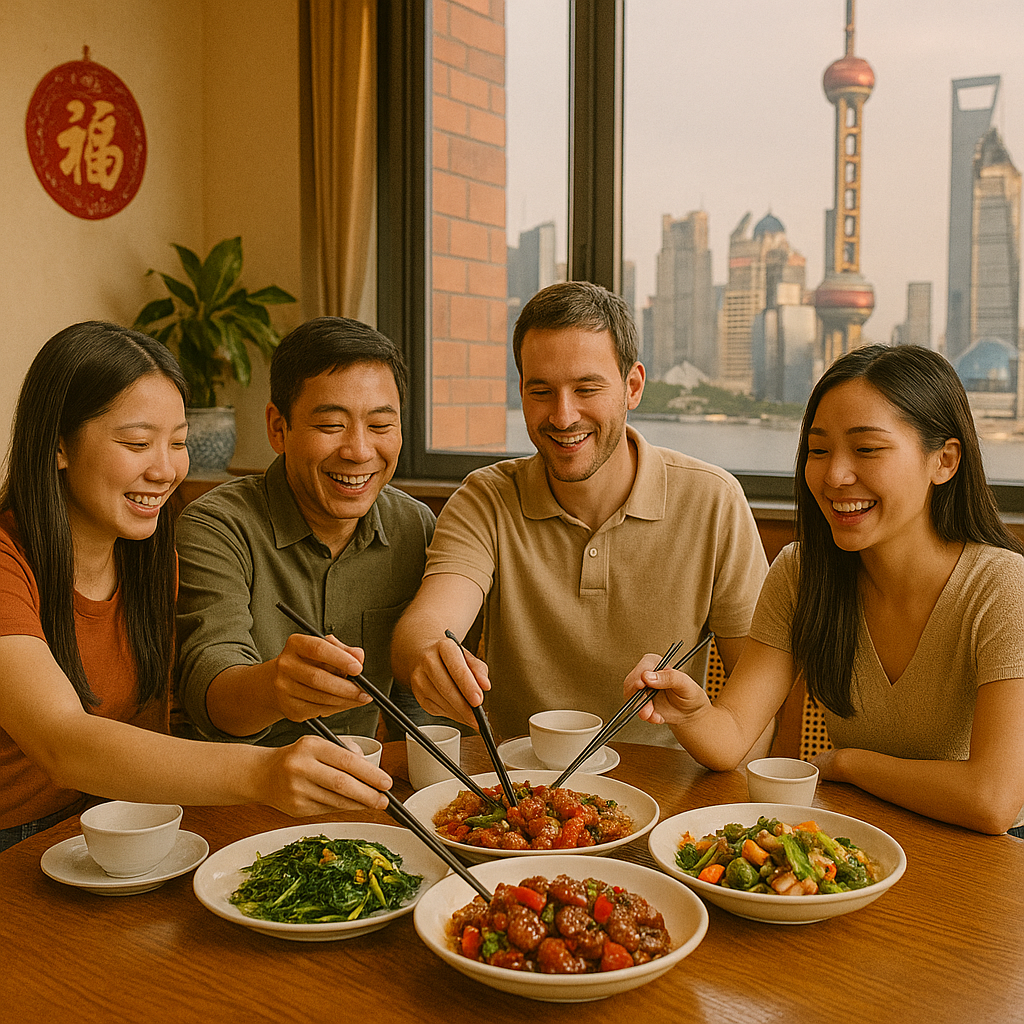
Imagine being invited to dinner in China. You’re seated around a big, circular table full of delicious dishes—no menus, no ordering, no splitting the bill. Then someone slurps their noodles loudly, picks up a chicken foot with chopsticks, and places it directly into your bowl. You smile, unsure what just happened, while your instincts tell you, That’s not how we do things back home.
Welcome to the fascinating world of Chinese table etiquette—where rules, gestures, and expectations can be surprisingly different from American norms. If you’re preparing to travel to China, study Mandarin, or even attend a Chinese friend’s family dinner, knowing what to expect at the table can help you avoid awkward missteps and better understand the culture behind the cuisine.
In this article, we’ll walk you through some Chinese dining customs that tend to surprise American guests, from the significance of the lazy Susan to the etiquette of chopsticks and toasts. Some habits may seem informal (or even rude) by American standards, while others are deeply rooted in respect, hospitality, and centuries of tradition.
Understanding these table manners isn’t just about being polite—it’s a powerful way to connect, show cultural appreciation, and experience Chinese life more authentically.
1. Sharing Everything—Literally
In the U.S., meals are often served as individual portions. In China, meals are all about sharing. A typical meal features several dishes placed in the center of the table for everyone to enjoy.
What shocks Americans:
There’s no “your dish” or “my plate.” Everyone dips into the same bowls, often with their own chopsticks. In fancier settings, a serving spoon may be provided, but in informal meals, people just help themselves directly. And if someone places a tasty morsel into your bowl—say thank you! It’s a gesture of hospitality and care.
2. Slurping and Smacking Are Totally Okay
In the U.S., making noise while eating is usually frowned upon. But in China, slurping your noodles or soup is not only acceptable—it’s often seen as a sign you’re enjoying the meal.
What shocks Americans:
Loud eating isn’t rude. In fact, being too quiet at the table can be awkward. Talking, toasting, laughing, and even making a bit of noise while eating are signs of a lively, happy meal.
3. Toasting Isn’t Casual—It’s Ritual
Chinese meals often include baijiu (a strong liquor) or beer, and toasting is a big deal. Guests toast the host, younger people toast elders, colleagues toast each other—it’s a social ritual that carries meaning and respect.
What shocks Americans:
You can’t just clink glasses and sip. In formal settings, the person toasting should hold their glass lower than the person they’re toasting, especially if they are older or hold a higher status. And you often have to toast everybody at the table—one by one.
4. Bones Go on the Table, Not the Plate
In the U.S., we’re taught to discreetly remove bones or food waste and place them on the edge of our plate or a napkin. In China, it’s completely normal to spit bones, shells, or gristle directly onto the table or into a designated dish.
What shocks Americans:
This casual disposal can feel messy, but it’s not considered poor manners. At larger banquets, small bowls or plates are often placed nearby for this purpose.
5. Chopstick Etiquette Is Serious Business
Most Americans know not to stick their chopsticks upright into a bowl of rice (it resembles funeral rites). But there are other chopstick taboos that may not be as obvious.
What shocks Americans:
Don’t point your chopsticks at someone
Don’t wave them around in conversation
Don’t stab food with them
Don’t use them to dig through dishes for your favorite piece
Don’t cross them or leave them resting across the top of your bowl
Treat your chopsticks with the same respect you would cutlery at a formal dinner in the U.S.
6. No Tipping, No Splitting the Bill
In the U.S., tipping and splitting checks are standard. In China, the host almost always pays—and insisting too hard on splitting the bill can feel awkward or even rude.
What shocks Americans:
Tipping is not expected and can even be refused
Fighting to pay the bill can be a social ritual
Guests should thank the host and may reciprocate with an invitation in the future
If you're dining with someone older, they’re usually expected to cover the meal.
7. Don’t Finish Everything on the Table
In American homes, clearing your plate is a sign of appreciation. In China, leaving a little food on the serving dishes shows the host provided enough—or even more than enough.
What shocks Americans:
If everything is completely gone, the host might feel they didn’t prepare enough. But don’t leave your personal bowl unfinished—it could imply you didn’t enjoy the food.
FAQs
Q: Is it okay to refuse food politely in China?
A: Yes, but it’s common to decline once or twice out of politeness and then accept. Refusing too firmly might come off as cold or unfriendly.
Q: What if I can’t use chopsticks?
A: It’s totally fine to ask for a spoon or fork in many restaurants. But giving chopsticks a try is appreciated, even if you’re clumsy at first.
Q: What should I do when someone toasts me?
A: Smile, clink glasses, and take at least a small sip. Return the gesture with your own toast if possible, especially to the host or older guests.
Q: Are there different rules for casual vs. formal meals?
A: Yes. Casual family dinners may be very relaxed, but formal business or banquet meals involve more structure, toasting rituals, and hierarchy.
Discover More Than Just the Language
At Polyglottist Language Academy, we believe learning Mandarin is about more than words—it’s about understanding the culture that gives those words meaning. Our Mandarin classes for adults and teens go beyond grammar to include real-world cultural insights like the dining customs you’ve just read about.
We offer small group and private classes, both online and in-person, serving learners in Berkeley, Oakland, San Jose, Sacramento, Santa Rosa, Reno, and Portland. If you’re ready to go from confused to confident in Mandarin and Chinese culture, we’re here to help.
👉 Join a Mandarin class today and start building fluency with purpose and depth.
You Might Also Like:
What To Expect In Your First Adult Mandarin Class (And Why You’ll Love It)
How Mandarin Can Boost Your Career In The Bay Area Tech And Business Scene
Why Learning Mandarin As An Adult Is More Doable Than You Think
From Dumplings To Dialogues: How To Speak Mandarin At Bay Area Restaurants
Best Mandarin Classes For Busy Professionals In The Bay Area