
How to Behave at a Chinese Temple or Sacred Site
Introduction:
Visiting a Chinese temple can be one of the most powerful and memorable parts of a trip to China or any region with a Chinese cultural presence. Whether it’s the incense-filled courtyards of a Taoist temple tucked into the mountains or the serene, gold-roofed halls of a bustling Buddhist monastery, these sacred spaces offer a window into the spiritual heart of Chinese civilization.
But for visitors unfamiliar with Chinese customs, the experience can also feel mysterious or intimidating. Should you bow? Can you take photos? What’s the right way to light incense? And what exactly are all those offerings of fruit, money, or candles for?
Unlike a Western church where etiquette may seem more familiar to some, Chinese sacred sites follow their own rich traditions of ritual, symbolism, and unspoken social rules. Understanding these customs isn't just about avoiding faux pas—it’s about engaging with the culture on a deeper, more respectful level.
Whether you're a spiritual seeker, a cultural enthusiast, or simply curious, this guide will help you navigate your visit to a Chinese temple with mindfulness and respect. Let’s walk through the essential dos and don’ts of temple etiquette in China and other Chinese-speaking regions.
1. Dress Modestly and Respectfully
Temples are sacred spaces, not tourist attractions, even if they are open to visitors. Dress modestly by covering your shoulders, chest, and knees. Avoid flashy or revealing clothing. If in doubt, choose conservative, neutral-toned attire that doesn’t draw too much attention.
2. Remove Hats and Sunglasses
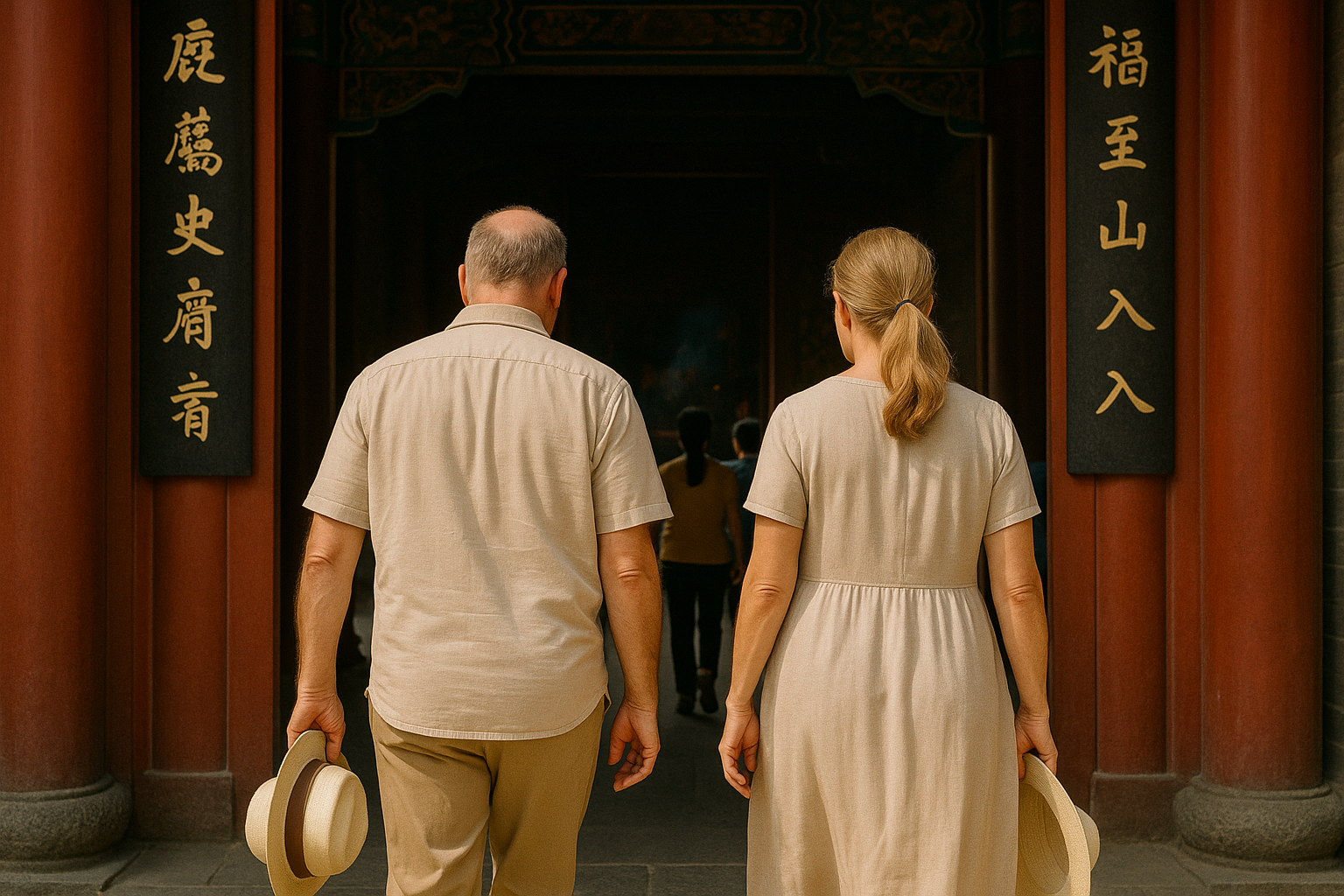
Just as you would in many religious places around the world, take off your hat and sunglasses before entering a temple hall. This small gesture shows humility and respect in front of the deities and monks or nuns present.
3. Enter and Exit with Awareness
Traditionally, visitors enter temples through the left gate and exit through the right, leaving the center gate reserved for the gods or temple staff. Step over the threshold rather than on it—stepping on the raised stone sill is considered disrespectful and bad luck.
4. Use a Gentle Posture and Quiet Voice
Speak quietly, walk calmly, and avoid laughing or making phone calls. Loud behavior is considered disruptive in a place designed for meditation and prayer. Let your body language reflect the peaceful atmosphere: hands clasped respectfully, slow movements, and eyes alert to your surroundings.
5. Offer Incense the Right Way
Burning incense is one of the most common rituals at Chinese temples. You’ll often see devotees placing incense sticks in large bronze burners while making wishes or prayers.
Here’s how to do it respectfully:
Light three incense sticks (a common symbolic number)
Face the main deity or temple hall
Bow three times with the incense held upright at forehead level
Place the incense upright into the burner
Always follow what the locals are doing—and if you’re unsure, just observe quietly before participating.
6. Respect the Images and Statues
Never touch, climb on, or take selfies with statues of the Buddha or other deities. These images are sacred and meant to be venerated, not treated as props. If you want to take photos, look for signs; many temples either prohibit photography or ask that you refrain from photographing inside main halls.
7. Don’t Point Your Feet at Sacred Objects
Pointing your feet directly at an altar, Buddha statue, or monk is seen as highly disrespectful. If you sit down to meditate or rest, try to sit cross-legged or keep your feet tucked beneath you.
8. Avoid Turning Your Back on the Buddha
When leaving a hall, it's polite to back away slightly before turning around. Turning your back on a deity is considered discourteous. You don’t need to walk backward the whole way, but a brief pause and respectful gesture go a long way.
9. Observe, Don’t Imitate Blindly
If you’re unfamiliar with Buddhist or Taoist rituals, don’t copy people’s movements just for fun or photo ops. It’s better to observe silently than to mimic without understanding. Respect for intention matters more than just participation.
10. Offer Donations Thoughtfully
Temples often rely on visitor donations for upkeep. You’ll find red boxes where you can place small bills. Donations are entirely voluntary, but appreciated. If you're offering food, candles, or flowers, ask a temple staff member where and how to place them.
FAQs
Q: Can I take photos at a Chinese temple?
A: Often, photography is allowed outside temple halls but prohibited inside sacred interiors. Always check for signs or ask a staff member. Never use flash, and avoid photographing people in prayer.
Q: Is it okay to participate in temple rituals if I’m not religious?
A: Yes—if done respectfully. Observing quietly or following basic practices like bowing or lighting incense is acceptable. Be sincere and avoid treating rituals as novelty.
Q: What should I do if I accidentally break a rule?
A: Most temple staff understand that foreigners are unfamiliar with all the customs. A polite apology and respectful attitude go a long way. Just be mindful and willing to learn.
Q: Are Chinese temples Buddhist or Taoist?
A: Many are Buddhist, Taoist, or a blend of both, depending on the region. You may also encounter Confucian temples, ancestral halls, or local folk shrines. Each follows its own traditions, but core etiquette is similar.
Q: Can I bring children to a temple?
A: Yes, but make sure they understand it’s a quiet place. Encourage them to observe respectfully and avoid running or shouting.
Q: What’s the best time to visit a temple?
A: Early mornings are peaceful and ideal for experiencing the spiritual atmosphere. Avoid major festivals if you're not comfortable with crowds, but these are also beautiful times to witness traditional rituals.
Learn More Than Just Language: Understand the Culture
At Polyglottist Language Academy, we believe language learning is incomplete without cultural understanding. That’s why our Mandarin classes for teens and adults include real-world insights into Chinese traditions, customs, and everyday etiquette.
Whether you’re traveling to China, working with Chinese clients, or simply fascinated by the culture, our expert instructors will guide you through both the language and the mindset behind it. We offer small online classes and private lessons to students in Berkeley, Oakland, San Jose, Sacramento, Santa Rosa, Reno, and Portland, and welcome learners from all backgrounds.
👉 Sign up now for our Mandarin classes and deepen your connection to the language and culture of China.
You Might Also Like:
What To Expect In Your First Adult Mandarin Class (And Why You’ll Love It)
How Mandarin Can Boost Your Career In The Bay Area Tech And Business Scene
Why Learning Mandarin As An Adult Is More Doable Than You Think
From Dumplings To Dialogues: How To Speak Mandarin At Bay Area Restaurants
Best Mandarin Classes For Busy Professionals In The Bay Area