
Things You Didn't Know You Could (and Couldn’t) Do in China
Surprising do’s and don’ts every traveler should know
Introduction: China Is Not What You Think
If you're preparing for a trip to China—or even just daydreaming about one—there are probably a few things you expect. Maybe you imagine climbing the Great Wall, tasting spicy Sichuan food, or standing in awe beneath a skyline that blends ancient pagodas and futuristic skyscrapers. But beyond the iconic sights, China is full of surprises—especially when it comes to what you can and can’t do.
Despite being one of the world’s oldest civilizations, modern China moves fast, shifts norms quickly, and often confounds Western expectations. You might be surprised to learn that crossing the street on a red light might get you publicly shamed, that tipping is usually frowned upon, or that you can get just about anything delivered to your hotel in under 30 minutes.
China is not always the place of rigid rules and formality that outsiders imagine—nor is it a free-for-all of anything goes. It’s a place where tradition and modernity co-exist in fascinating (and sometimes confusing) ways. Knowing the unspoken rules—and delightful freedoms—can help you experience the country more smoothly, and more deeply.
In this guide, we’ll explore the unexpected cultural, legal, and practical do’s and don’ts that catch many travelers off guard. Whether you’re visiting for business, study, or adventure, these tips will prepare you for the real China.
✅ Things You Can Do in China (That Might Surprise You)
1. Get Anything Delivered—Anywhere, Fast
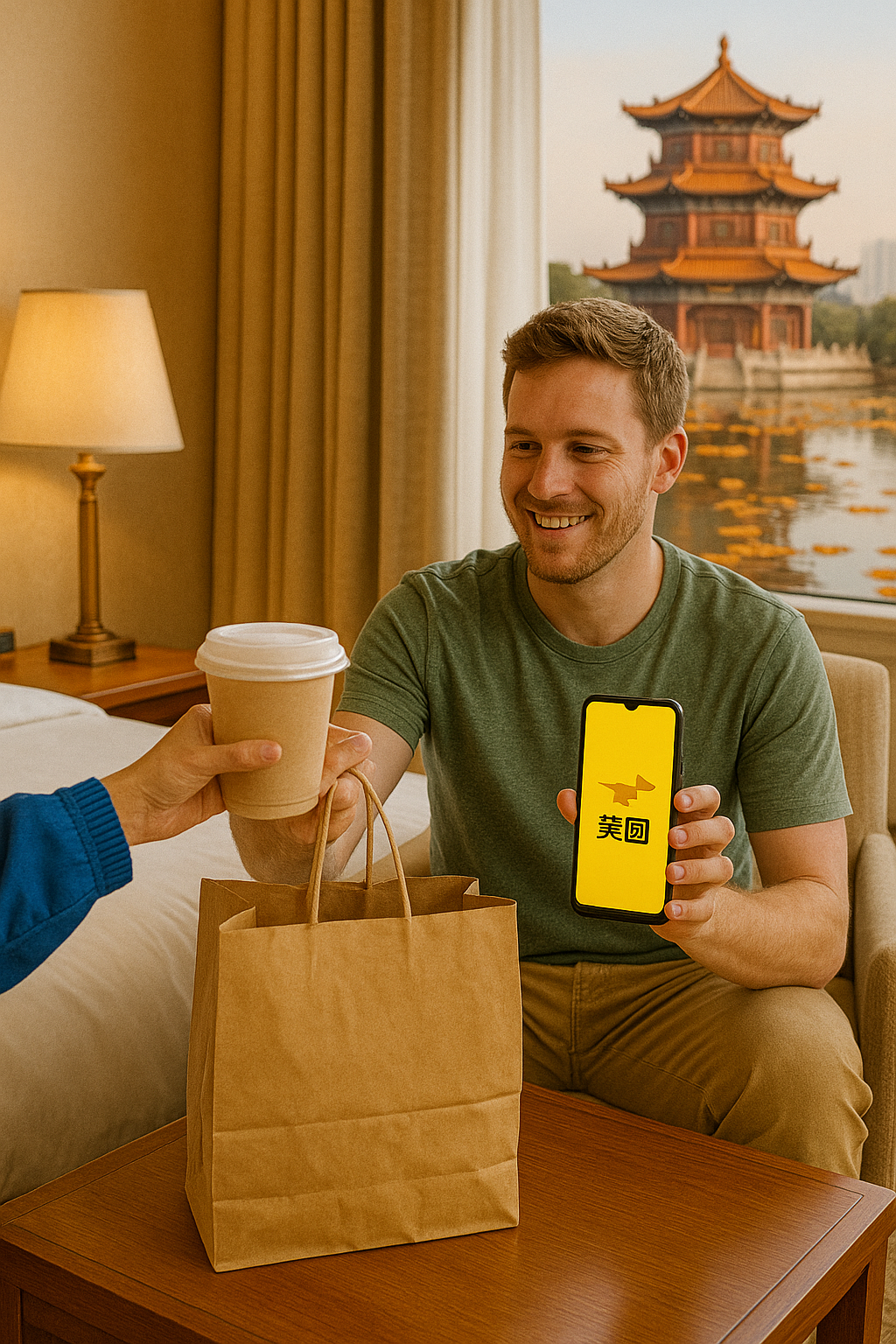
From bubble tea to phone chargers, China’s delivery ecosystem is legendary. Apps like Meituan and Ele.me allow you to order meals, groceries, medicine, and even manicures delivered directly to your hotel or Airbnb—often in under 30 minutes.
2. Use Your Face to Pay for Things
China is miles ahead in mobile payments. With apps like Alipay and WeChat Pay, you can scan your face at vending machines or supermarket checkouts—no wallet needed.
3. Visit Temples for Free or Low-Cost
While famous sites like the Forbidden City have entry fees, many Buddhist and Daoist temples are free or only ask for small donations. You’re welcome to light incense, observe monks in prayer, or just enjoy the peace.
4. Ride Bullet Trains That Feel Like Planes
China’s high-speed rail system is vast, efficient, and comfortable. In many cases, it’s faster and more convenient than flying—especially for city-to-city travel.
5. Walk Around Safely at Night
Despite its size, China is considered one of the safest countries for foreigners. Violent crime is extremely rare. Cities like Shanghai and Chengdu are lively late into the night, and you’ll see families, solo women, and children out even at midnight.
6. Bargain in Markets—But Not in Stores
In street markets and with independent vendors, bargaining is expected. But in chain stores, shopping malls, or supermarkets, prices are fixed. Knowing where to haggle is half the game.
🚫 Things You Can’t (or Shouldn’t) Do in China
1. Use Google, Instagram, or YouTube
Due to the “Great Firewall,” many Western websites are blocked in mainland China. You’ll need a reliable VPN to access them—but even then, it’s a grey legal area, and connection can be spotty.
2. Publicly Criticize the Government
Freedom of speech has strict limits in China, especially concerning politics. Avoid posting, commenting, or speaking negatively about government policies or leaders—even in private online chats.
3. Bring Books or Media with Sensitive Content
Customs can inspect your bags, and bringing in books, magazines, or films about Tibet, Taiwan, or Tiananmen Square can be problematic. Stick to novels, travel guides, and everyday reading material.
4. Tip in Restaurants
Tipping isn’t part of Chinese culture. In most cases, leaving money on the table will just confuse the server. The exception? High-end Western establishments and tour guides.
5. Cross the Street at Random
Jaywalking used to be common, but now many intersections have facial recognition cameras that flash violators’ photos on public screens. Better to wait for the light—even if locals don’t.
6. Expect Open Debate in the Classroom
In academic or professional settings, students and employees may hesitate to speak up or challenge authority. This doesn’t mean they aren’t thinking critically—it’s just a cultural norm to avoid confrontation or “losing face.”
FAQs: China’s Surprising Social Norms
Q: Can I use my credit card in China?
A: Foreign credit cards (Visa, Mastercard) are rarely accepted outside of international hotels. Mobile payments dominate, so consider downloading Alipay or WeChat Pay with a linked travel card.
Q: Do I need a VPN?
A: If you want to access Google, Gmail, Instagram, or other Western platforms, yes. Be sure to download and test your VPN before you arrive.
Q: Is it rude to ask personal questions in China?
A: Not at all. Questions about your age, salary, marital status, or whether you have children are common ice-breakers—not meant to be intrusive.
Q: Can I speak English in major cities?
A: In big cities like Beijing or Shanghai, many young people speak some English. But outside tourist zones, it’s hit or miss. A few phrases in Mandarin go a long way.
Q: What’s considered inappropriate clothing in China?
A: China is generally casual, but modesty is appreciated, especially in temples or villages. Avoid very revealing outfits, and always cover shoulders when entering sacred spaces.
Ready to Learn the Language and the Culture?
At Polyglottist Language Academy, we believe that true fluency means more than just speaking the words—it means understanding the society, customs, and worldview behind them. Our Mandarin classes give you the tools to navigate real-life situations in China, from ordering food and navigating cities to understanding subtle cultural signals that textbooks often miss.
Whether you’re a traveler, a student, or a professional, our expert instructors will help you gain both language skills and cultural fluency.
👉 Join one of our small-group or individual Mandarin courses today!
Curious to Learn More? Check Out These Articles:
What To Expect In Your First Adult Mandarin Class (And Why You’ll Love It)
How Mandarin Can Boost Your Career In The Bay Area Tech And Business Scene
Why Learning Mandarin As An Adult Is More Doable Than You Think
From Dumplings To Dialogues: How To Speak Mandarin At Bay Area Restaurants
Best Mandarin Classes For Busy Professionals In The Bay Area