
The Hidden Meanings of Colors in Chinese Culture
Why red isn’t just lucky, and why white isn’t always pure
Introduction: More Than Meets the Eye
Colors are a universal part of human life. We wear them, decorate with them, and associate them with moods, emotions, and holidays. But in many cultures, colors go beyond simple decoration—they carry deep symbolic weight. Nowhere is this more true than in China.
In Chinese culture, colors are more than aesthetic choices. They are embedded with centuries of meaning drawn from Confucian philosophy, Daoist cosmology, dynastic history, and traditional beliefs about luck, health, and the cycle of life. To a Chinese speaker, color can signal respect, rebellion, prosperity, or even death—depending on the context.
So while you might think of red as the color of romance or white as clean and modern, Chinese associations may surprise you. Red means celebration and good fortune. White? Mourning and death. And that’s just the beginning.
Whether you're preparing for a trip to China, studying Mandarin, or doing business with Chinese partners, understanding the hidden meanings of colors will help you avoid cultural missteps and connect more meaningfully. In this article, we’ll explore the fascinating world of Chinese color symbolism—what each major color means, where these meanings come from, and how they show up in daily life.
The Symbolism of Color in Chinese Culture
🔴 Red: Happiness, Celebration, Vitality
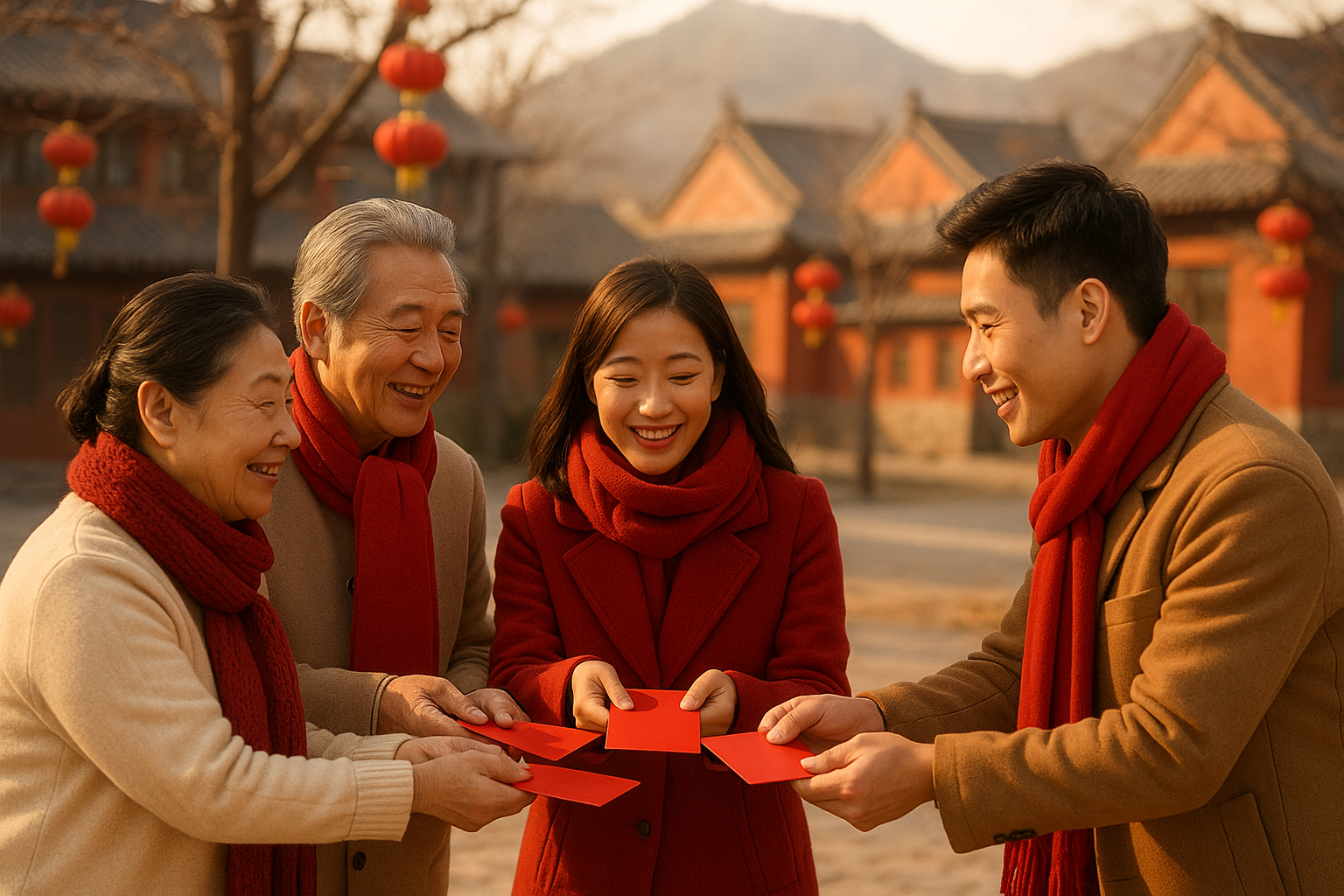
Red is by far the most auspicious and universally positive color in Chinese culture. It symbolizes good luck, joy, and prosperity. You’ll see it everywhere during Lunar New Year, weddings, and festivals. Traditional red envelopes (hóngbāo) containing money are given to children and elders to bring good fortune.
Associated with: fire element, south direction, summer season.
Avoid using it in: funerals or solemn occasions—red is too celebratory for such events.
⚪ White: Mourning, Purity, Endings
In the West, white is often linked to weddings and new beginnings. In China, however, it carries the opposite meaning: death and mourning. White is the traditional color of funerals and grief. Family members of the deceased often wear white or off-white clothing.
Associated with: metal element, west direction, autumn season.
Appropriate for: somber events, rituals of remembrance.
Avoid using it in: wedding decorations, festive gift wrapping.
⚫ Black: Authority, Mystery, Stability (and Sometimes Evil)
Black has a complex reputation in Chinese culture. Traditionally it was linked to water, the north, and winter, representing the unknown and the hidden. It can imply power, control, and formality—but also darkness and evil, depending on context.
Common in: business suits, formal wear, police uniforms.
Avoid using it in: birthday gifts or celebratory decor—it can come off as too grim.
🟡 Yellow: Royalty, Earth, Respect
Yellow was once reserved exclusively for emperors. It symbolizes centrality, authority, and the earth element. It is also linked with fertility, growth, and intellectual refinement. Today, yellow remains highly respected, often used in religious temples, sacred objects, and important documents.
Associated with: central direction, earth element, late summer.
Appropriate for: ceremonial events, academic achievements, temple visits.
🟢 Green: Growth, Youth, Fertility—and Jealousy
Green represents life, vitality, and health, but it also has a surprising negative meaning. A “green hat” (dài lǜ mào) is a major faux pas in Chinese culture—it implies that a man’s wife is cheating on him. Never gift a green hat!
Associated with: wood element, east direction, spring.
Appropriate for: eco-friendly products, healing, health-related contexts.
Avoid using it in: gifts involving hats or personal clothing.
🟠 Gold: Wealth, Prestige, Opulence
Gold is linked with money, success, and achievement. It often appears alongside red in festive contexts—think red and gold wedding invitations or Lunar New Year packaging. It’s also widely used in branding, especially for luxury items.
Associated with: good fortune, nobility.
Appropriate for: gifts, business ventures, wedding favors.
🌈 Color Combinations: Layers of Meaning
Colors don’t exist in isolation. In Chinese design, combinations matter:
Red and gold: ultimate symbol of celebration and prosperity.
Black and white: avoid this pairing—it screams “mourning.”
Green and red: festive, but be careful around holidays—it can also look like a Christmas reference, which has different associations in China.
Where You'll See Color Symbolism in Action
Weddings: Red dresses, red envelopes, red lanterns—never white!
Funerals: White and black clothes, white flowers.
New Year: Red everywhere, from firecrackers to couplets on doors.
Business Gifts: Gold-wrapped boxes with no green hats, please.
Temples: Yellow and red decorations, signaling respect and sanctity.
Politics & Protests: Color-coded symbolism is powerful—be aware of historical and regional meanings.
FAQs: Colors in Chinese Culture
Q: Can I wear white in China if it’s part of my personal style?
A: Yes, especially in modern urban areas. But avoid all-white outfits during festive or celebratory events, and never wear white to a wedding.
Q: Why is red used in Chinese weddings?
A: Red symbolizes joy, fertility, and good fortune—ideal for launching a new family. Brides traditionally wear red, and red decorations are everywhere.
Q: Is it offensive to give a gift in black wrapping paper?
A: It’s not outright offensive, but it may come across as cold or unlucky. Choose red, gold, or yellow for a warm impression.
Q: What’s the deal with the green hat?
A: The phrase “wearing a green hat” (dài lǜ mào) is a slang insult implying infidelity. Never give someone a green hat!
Q: Are these color meanings still relevant with young people?
A: While some meanings are becoming more flexible, traditional associations still carry weight—especially during festivals, family events, and rituals.
Learn More Than Words at Polyglottist Language Academy
At Polyglottist Language Academy, we believe that learning a language means understanding a culture—its symbols, rituals, and worldview. Our Mandarin classes go beyond vocabulary and grammar to give you insight into the values and customs that shape everyday Chinese life.
Whether you're a complete beginner or an intermediate speaker, we offer small group and individual classes tailored to your level and interests. Join us and experience Mandarin the way it’s meant to be learned: with real cultural depth.
Keep Exploring Chinese Language and Culture
Check out our other popular articles on Chinese culture and Mandarin learning:
What To Expect In Your First Adult Mandarin Class (And Why You’ll Love It)
How Mandarin Can Boost Your Career In The Bay Area Tech And Business Scene
Why Learning Mandarin As An Adult Is More Doable Than You Think
From Dumplings To Dialogues: How To Speak Mandarin At Bay Area Restaurants
Best Mandarin Classes For Busy Professionals In The Bay Area