
The Ultimate Italy Travel Checklist: Language, Culture, and Confidence
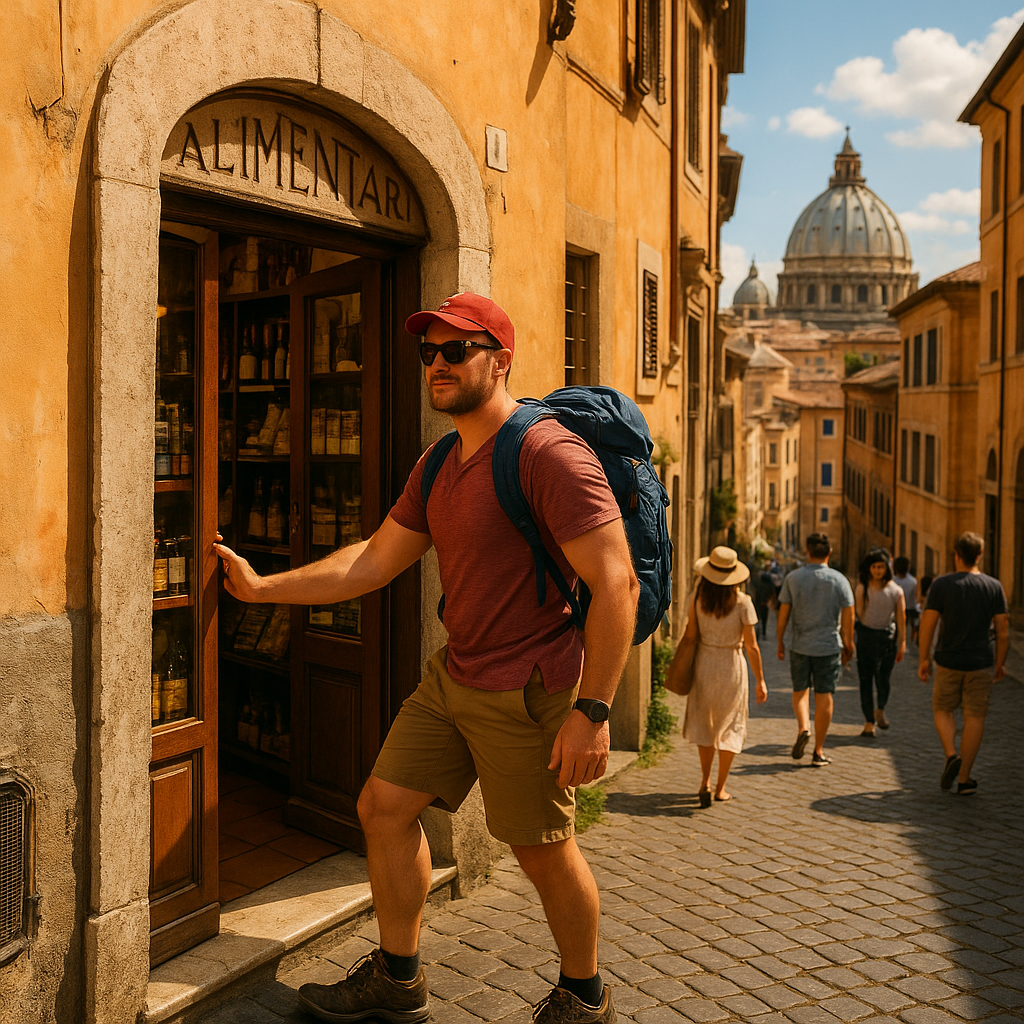
Planning your dream trip to Italy? Whether you're wandering through ancient ruins in Rome, sipping wine in Tuscany, or catching the perfect Instagram shot along the Amalfi Coast, Italy offers unforgettable experiences. But to truly enjoy la dolce vita, there’s more to packing than just clothes and a passport. Real travel confidence comes from knowing the culture, communicating in the language, and being mentally prepared to immerse yourself in a world that’s rich, warm, and very Italian.
Italy is more than a destination—it’s an experience that unfolds through all five senses. The scent of fresh espresso in a sunlit piazza, the sound of church bells echoing through cobbled alleys, the taste of handmade pasta in a family-owned trattoria. You won’t just see Italy—you’ll feel it. But what turns a good trip into a great one? Preparation. The right mindset. And a toolkit of language, culture, and street-smart know-how.
Imagine arriving in Florence and being able to ask for directions in Italian, or ordering wine in a Roman enoteca without pointing at the menu. Imagine being invited to a local festival in Sicily because you greeted someone with a friendly buongiorno and knew how to follow it up with a casual conversation. Language opens doors—and cultural awareness keeps them open.
Especially if you're from the San Francisco Bay Area—whether you live in Berkeley, San Jose, Oakland, or San Francisco—this checklist is tailored to help you travel smarter, speak better Italian, and enjoy a deeper connection to the places and people you'll meet in Italy.
Here at Polyglottist Language Academy, we’ve helped countless Bay Area learners prepare for Italian adventures—whether for vacation, study abroad, family roots, or simply a love of the language. Our students often return saying the same thing: “I’m so glad I took the time to prepare. It made my whole trip better.”
So if you’re dreaming of Italy—Venice canals, Sicilian beaches, Tuscan vineyards—this guide is for you. Grab a notebook—or your carry-on—and let’s get into it.
1. LANGUAGE ESSENTIALS: ITALIAN PHRASES THAT OPEN DOORS
Even a little Italian goes a long way in making connections. Here's what you need before you go:
Must-Know Phrases
Buongiorno / Buonasera – Good morning / Good evening
Per favore / Grazie – Please / Thank you
Mi scusi – Excuse me
Dove si trova...? – Where is...?
Quanto costa? – How much is it?
Vorrei... – I would like...
Un tavolo per due, per favore – A table for two, please
Pro Tips
Learn the pronunciation basics—especially rolled R’s and open vowels.
Practice numbers and telling time. Essential for train stations, restaurants, and markets.
Take a basic Italian class before your trip (we’ve got you covered—more on that later!).
2. CULTURAL INTELLIGENCE: BEHAVIOR THAT BUILDS RESPECT
Italians are famously warm and expressive—but they also take manners seriously. Here’s how to show respect and blend in:
Social Etiquette
Always greet shopkeepers with "Buongiorno" when entering.
Don’t touch produce at open-air markets—wait to be served.
Dress appropriately when visiting churches (cover shoulders and knees).
Learn the subtle art of the fare la bella figura—looking presentable and acting politely.
Dining and Tipping
Sit-down meals are leisurely—don’t rush.
Tipping isn’t obligatory, but rounding up or leaving small change is appreciated.
Local Customs
Sunday is a family day; many shops close.
Avoid loud behavior, especially in quiet neighborhoods or trains.
3. DOCUMENTS, MONEY & HEALTH: WHAT TO PACK (AND KNOW)
Must-Have Travel Documents
Valid passport (with at least 6 months before expiration)
Copies of your passport stored separately
Health insurance card and travel insurance info
Credit cards (notify your bank!)
Copies of your itinerary and accommodation info
Currency Tips
Italy uses the Euro (€)
Bring a small amount of cash—some places don’t accept cards
Use ATMs attached to banks for better security
Health & Safety
Bring any prescription medication in original packaging
Consider a basic Italian phrase sheet for medical situations
Know the emergency number: 112
4. CLOTHING: DRESS LIKE YOU BELONG
The Basics
Neutral tones, layers, and good walking shoes
A lightweight scarf for women—it doubles as a church cover-up
One nicer outfit for dinners or performances
Seasonal Notes
Spring (Mar-May): Light jackets, umbrella
Summer (Jun-Aug): Breathable fabrics, sunglasses, hat
Fall (Sep-Nov): Sweaters, waterproof shoes
Winter (Dec-Feb): Coat, scarf, gloves—especially in the north
5. NAVIGATING TRANSPORT: TRAINS, TAXIS & MORE
Trains
Use Trenitalia or Italo websites/apps
Validate your paper ticket at the station before boarding
Taxis
Only use licensed taxis from official taxi stands
Apps like FreeNow can help, especially in bigger cities
Buses & Metros
Buy tickets at tobacco shops or kiosks
Validate every ride—inspectors do fine!
Car Rentals
Great for countryside trips—but not ideal in big cities
You’ll need an International Driving Permit
6. TECH & APPS TO MAKE LIFE EASIER
Must-Have Apps
Google Maps or Citymapper
Google Translate (download Italian offline)
Trainline for rail tickets
WhatsApp for local communication
Rick Steves Audio Europe for walking tours
SIM Cards & Wi-Fi
Consider an Italian SIM if you're staying long
Wi-Fi is common in hotels and cafes, but not always reliable
7. FOOD: EAT LIKE A LOCAL
Food Rules to Know
Don’t ask for extra cheese on seafood pasta
Cappuccino is for breakfast—don’t order it after 11am
Bread may be charged separately—read the menu
Water is not free—order "acqua naturale" or "acqua frizzante"
What to Try
Gelato artigianale (handmade gelato)
Aperol Spritz during aperitivo hour
Regional specialties: risotto in Milan, orecchiette in Puglia, cannoli in Sicily
8. MINDSET: TRAVEL WITH CONFIDENCE
Say Yes to Adventure
Accept invitations and try new things
Italians appreciate openness and curiosity
Be Flexible
Trains may run late, shops may close unexpectedly
Relax and go with the flow—piano piano, as Italians say
Make Connections
A few Italian words spark genuine smiles
Ask locals for recommendations—they love to share
9. BAY AREA TRAVELERS: PREP CLOSE TO HOME
If you're in Berkeley, San Francisco, Oakland, or San Jose, you're in luck. Polyglottist Language Academy offers beginner-friendly, practical Italian classes designed specifically for travelers. You’ll learn:
How to order food confidently
How to navigate transport
How to ask for directions and understand responses
How to connect with locals respectfully and joyfully
Our teachers focus on real-life situations you’ll face in Italy—not just grammar drills. Join a supportive, fun, and motivated group of learners preparing for trips just like yours.
Ready to Speak Italian with Confidence?
We invite you to join one of our Italian travel classes at Polyglottist Language Academy. Classes are available in-person in Berkeley or online for learners across the Bay Area—San Francisco, Oakland, San Jose, and beyond.
👉 Sign up today and take the first step toward your best trip ever!
FAQs
Q: Can I get by in Italy without speaking Italian?
A: In touristy areas, yes—but even basic Italian dramatically improves your experience and helps you connect with locals.
Q: How much Italian should I know before traveling?
A: Focus on greetings, food phrases, transport vocabulary, and asking directions. Even 20–30 key phrases go a long way.
Q: When is the best time to visit Italy?
A: Spring (April–June) and early fall (September–October) offer great weather and fewer crowds.
Q: Is it rude to speak English in Italy?
A: Not rude—but leading with a polite Italian greeting shows respect and earns you friendlier service.
Q: Are your classes in-person or online?
A: Both! We offer in-person classes in Berkeley and online courses for learners across the Bay Area.
Q: How long before my trip should I start classes?
A: Ideally 2–3 months before, but even a few weeks of study will help you feel more confident.
Q: Is Italian hard to learn?
A: It’s one of the easier Romance languages for English speakers. With consistent practice, you’ll be surprised how quickly you progress.
Q: Can I join even if I’ve never studied a language before?
A: Absolutely! Our beginner classes are designed for travelers with no prior experience.