
From Ciao to Grazie: A Quick Crash Course in Italian Etiquette
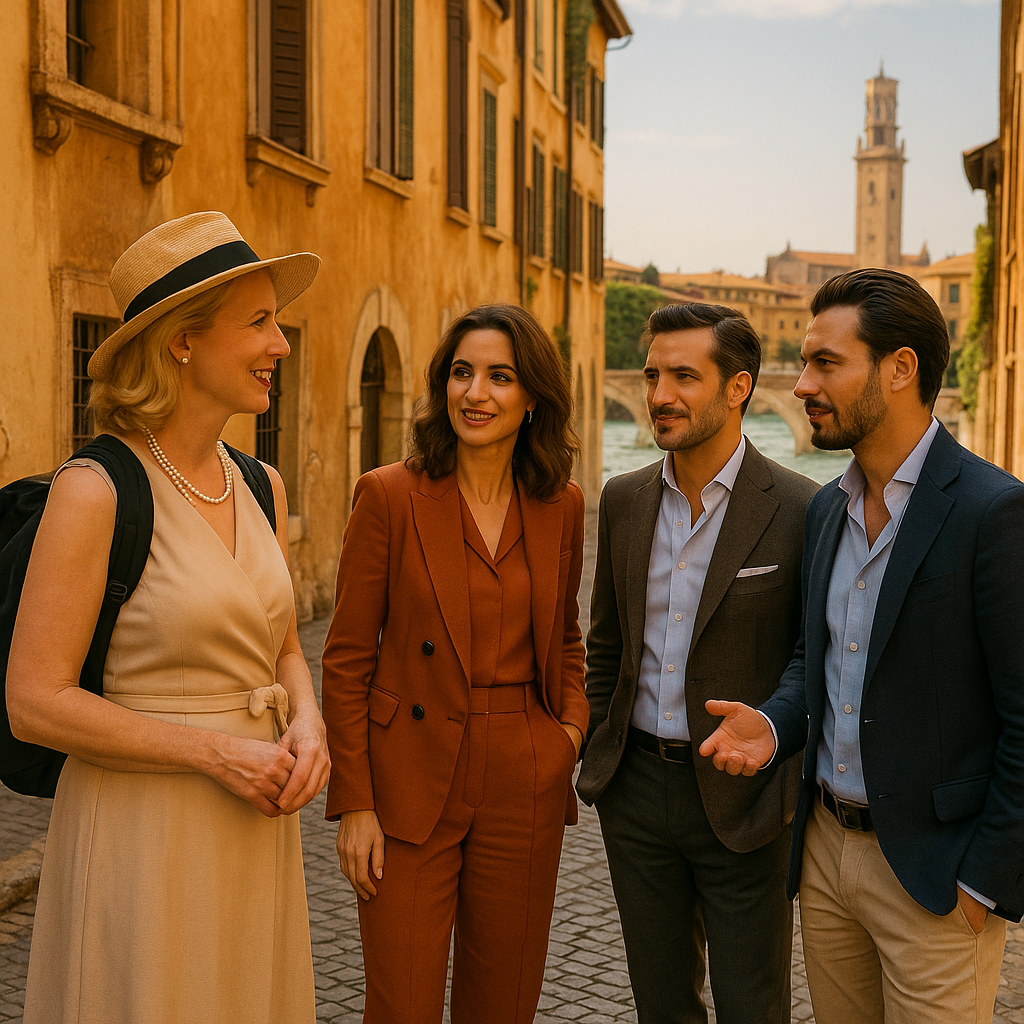
Planning a trip to Italy? Learn key etiquette tips—from greetings to table manners—that will help you blend in like a local. Perfect for travelers in the San Francisco Bay Area!
If you’ve ever dreamed of sipping cappuccino in a quiet Roman café, making friends with Tuscan locals over dinner, or confidently navigating a Milanese boutique, then learning Italian etiquette isn’t just a bonus—it’s essential. Culture is language. Language is culture. And when it comes to Italy, how you say something is just as important as what you say.
Italy isn’t just another travel destination—it’s a cultural tapestry woven from history, art, family, and social rituals. Every interaction, from a simple "ciao" to a heartfelt "grazie," carries with it centuries of tradition and nuance. Without understanding these layers, even well-meaning travelers can come across as awkward or even rude, despite their best intentions.
Think of etiquette as your invisible passport—one that gets you deeper access into Italian life. Beyond the museums, monuments, and Michelin-starred meals, there’s the everyday culture: chatting with a barista, greeting a neighbor, or joining a local festivity. These moments often become the highlight of any trip. But to truly savor them, a little cultural preparation goes a long way.
In Italy, the details matter. The way you greet someone, the timing of your smile, your tone of voice, and your table manners all communicate who you are and how much you respect the culture around you. A traveler who learns how to navigate these nuances doesn’t just get better service—they get better stories, deeper connections, and a richer experience.
This article isn’t just about saying please and thank you. It’s about understanding the rhythm of Italian life—when to speak up, when to wait, how to gesture (yes, it matters), and how to show appreciation in a way that earns you genuine smiles and warm hospitality. Whether you’re headed to Florence, Naples, or a quiet village in Puglia, mastering these small details can make the difference between being treated like a tourist and being welcomed like a guest.
And if you’re based in the San Francisco Bay Area—Berkeley, Oakland, San Francisco, or San Jose—you’re in a prime spot to prepare. At Polyglottist Language Academy, we help travelers like you go beyond the phrasebook and step into Italy with true cultural confidence.
Ready for your etiquette crash course? Let’s dive in. 🇮🇹✨
1. THE BASICS OF GREETING: CIAO ISN’T FOR EVERYONE 👋
When to Use “Ciao”
“Ciao” might be the most famous Italian word worldwide, but it’s not universally appropriate. It’s informal and best reserved for friends, peers, and young people. Using "ciao" with a stranger or in a professional setting may come off as overly casual, or even disrespectful.
Formal Greetings to Know
Buongiorno – Good morning / Good day (used until mid-afternoon)
Buonasera – Good evening
Salve – Neutral/formal alternative to ciao, works in almost any setting
Handshakes & Kisses
A firm handshake is the norm in formal or first-time meetings. Smile while shaking hands to express warmth.
Air kisses (left cheek first) are common among friends and acquaintances. Don’t initiate unless the other person does.
Being aware of the setting—business, casual, or social—helps you choose the right greeting and body language.
2. TITLES AND FORMS OF ADDRESS: KNOW YOUR DOTTORI FROM SIGNORI 🎓
Use of Titles
Titles carry weight in Italy. Education and professionalism are taken seriously:
Signore/Signora – Mr./Mrs.
Dottore/Dottoressa – Used for anyone with a university degree, especially doctors, lawyers, and professors
Professore/Professoressa – Common for teachers and lecturers, regardless of school level
Don’t Skip the Formality
When in doubt, lean formal. Use "Lei" (formal you) with strangers, professionals, or older adults. Switching to "tu" is a mutual decision and a sign of closer rapport.
Using titles and formality shows awareness and respect—something Italians appreciate deeply.
3. POLITE PHRASES THAT GO A LONG WAY 💬
Essential Expressions
Learning a few courteous expressions can open hearts and doors:
Per favore – Please
Grazie mille – Thank you very much
Mi scusi / Scusa – Excuse me / Sorry (formal/informal)
Prego – You’re welcome / After you / Please (depends on context)
Buon giorno / Buona giornata – Have a good day
Apologizing & Thanking
Being polite in Italy isn’t about being overly formal—it’s about being human. If you bump into someone or need help, a simple “mi dispiace” (I’m sorry) softens the moment and builds goodwill.
Pro tip: say it with a smile! 😊
4. TABLE MANNERS: DINING IS A RITUAL 🍝
The Pace of Meals
Dining in Italy is sacred. It’s about enjoyment, not efficiency. Expect to linger over lunch or dinner, and never rush a meal.
Don’t...
Don’t ask for tap water unless offered. Instead, choose between acqua naturale (still) or acqua frizzante(sparkling).
Don’t order cappuccino after 11:00 a.m.—it’s seen as a breakfast drink.
Don’t expect rapid service. The slower pace allows you to enjoy the experience.
Do...
Keep your hands visible, resting on the table, not in your lap.
Learn about fare la scarpetta—wiping up sauce with bread at the end of your meal. Delicious and culturally charming.
Say "Buon appetito!" to wish everyone a good meal.
Eating like a local means more than enjoying the food—it means honoring the tradition behind it. 🍷
5. SHOPPING AND TRANSACTIONS: MIND YOUR MANNERS 🛍️
Greet First
Always start with a greeting before making a request: “Buongiorno!” or “Salve!” sets a polite tone.
Be Patient
In small shops, order is often maintained by eye contact or a verbal acknowledgment. Even if there’s no visible line, wait your turn patiently.
Shopping Tips
Bargaining is rare in shops. At open-air markets, it’s acceptable but must be done politely.
Don't touch items unless invited—especially in boutiques or produce stands.
Respect and patience make every transaction smoother and friendlier.
6. BODY LANGUAGE & GESTURES 🤌
Italians Speak with Their Hands
Gesture is an art form in Italy:
The famous pinched-fingers-up gesture means "What are you saying?!"
A shrug with upturned palms often means “I don’t know.”
Tapping the wrist = "Hurry up!"
Personal Space
Italians generally stand closer than Americans. Maintaining eye contact and a comfortable closeness shows interest and engagement—not intrusion.
Don’t be afraid to use your hands when speaking—it adds warmth and personality. Just stay aware of the social vibe.
7. PUNCTUALITY, TIME, AND SCHEDULING ⏰
Know the Context
For business meetings, be on time or even five minutes early.
For social gatherings, it’s acceptable to arrive 10–15 minutes late. It’s part of the cultural rhythm.
Store Hours & Siesta
Many shops and offices close between 1:00–4:00 pm for riposo (midday break).
In smaller towns, shops may be closed on Sundays or Monday mornings.
Planning ahead helps avoid frustration and allows you to flow with the local pace.
8. PUBLIC TRANSPORT AND CITY BEHAVIOR 🚋
On Buses & Trains
Always validate your ticket before boarding, especially for regional trains.
Offer your seat to elderly passengers, pregnant women, and parents with young children.
In Cities
Be mindful of pedestrian etiquette. Don’t block walkways or sit on monuments.
Avoid loud phone conversations on public transport. Italians are expressive, but they value public calm.
Traveling respectfully makes you a welcome guest in any Italian city.
9. BAY AREA BONUS: HOW TO PRACTICE BEFORE YOU GO 🌉
If you live in Berkeley, San Francisco, Oakland, or San Jose, you can easily prepare for your Italian adventure with us at Polyglottist Language Academy! 🧳
We offer:
Italian for travelers: etiquette, expressions, and real-life scenarios
Role-play based learning: practice ordering, shopping, and asking for help
Small-group or private classes, in-person or online
Our students gain more than language skills—they gain cultural insight and travel confidence.
Want to Feel at Home in Italy? 🇮🇹
Join our Italian etiquette and travel prep classes at Polyglottist Language Academy—available in-person in Berkeleyand online across the Bay Area.
👉 Sign up today and start your journey toward stress-free, joyful travel in Italy.
FAQs ❓
Q: Do Italians really care about etiquette?
A: Absolutely. Politeness, tone, and body language matter in every interaction.
Q: What’s the biggest etiquette mistake tourists make?
A: Overusing "ciao" and not greeting shopkeepers. Also, ignoring local dining customs.
Q: Is it okay to speak English in Italy?
A: In tourist zones, yes—but locals appreciate even basic Italian. It shows effort and respect.
Q: Can I learn enough Italian in a month to get by?
A: Yes! Our travel classes at Polyglottist Language Academy focus on real-life basics.
Q: Do I need to tip in Italy?
A: Not always. It’s appreciated to round up the bill or leave small change in restaurants.
Q: Are your Italian classes beginner-friendly?
A: 100%! We specialize in classes for absolute beginners and travelers.
Q: What should I avoid in conversation?
A: Religion, politics, and regional stereotypes can be sensitive. Stick to food, art, and travel!
Q: What if I make a mistake?
A: Don’t worry—Italians are forgiving if you’re polite and trying.