
Carnaval in Latin America: The Colorful Party You Need to Experience
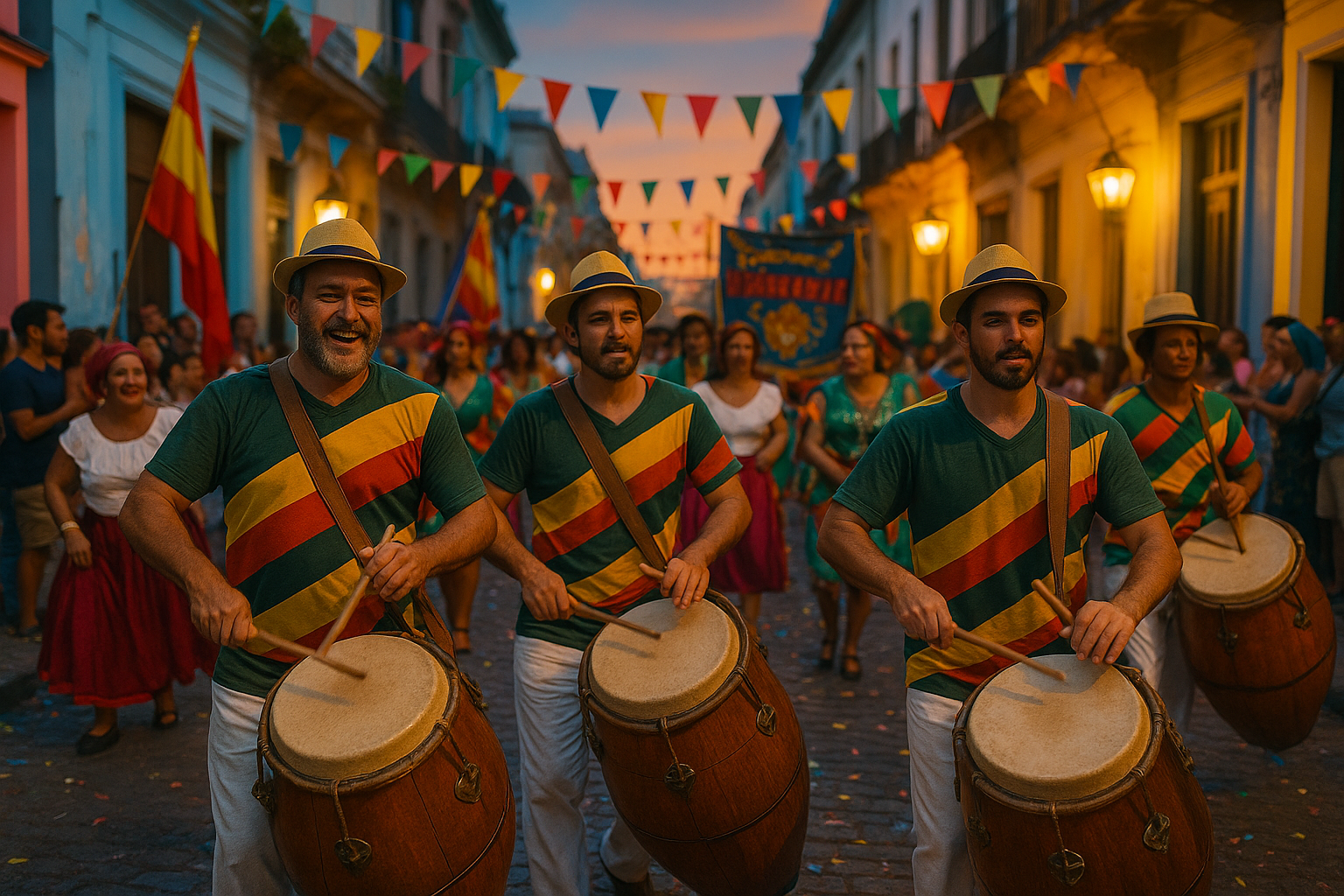
Few celebrations in the world combine music, dance, costume, and cultural fusion as explosively as Carnaval in Latin America. This isn’t just a party—it’s a phenomenon rooted in history, religion, and creativity, a festival where streets become rivers of rhythm and color, where ordinary life pauses so entire nations can dance. Every February (or early March, depending on the year), millions take to the streets from Rio de Janeiro to Barranquilla, from Montevideo to Veracruz, in a spectacle that blends colonial traditions, indigenous heritage, African beats, and modern artistry.
Carnaval is more than samba parades and feathers (though you’ll find plenty of both). It’s centuries of cultural exchange condensed into a few intense days. It’s the Catholic calendar colliding with local identity, giving birth to rituals that mix sacred and profane with irresistible charm. For travelers, experiencing Carnaval isn’t just attending an event—it’s stepping into the heartbeat of Latin America.
In this article, we’ll dive deep into the world of Carnaval: its origins, its variations across countries, its iconic costumes and dances, and why it continues to captivate people worldwide. We’ll also share practical tips for attending, cultural insights to help you understand its meaning, and, for language lovers, why learning Spanish or Portuguese can turn a once-in-a-lifetime trip into a truly immersive experience.
The Origins of Carnaval: A Tale of Faith and Freedom
Before it became an explosion of color and sound, Carnaval had a serious purpose: it marked the last great feast before the austerity of Lent in Catholic Europe. The word Carnaval comes from Latin carne levare, meaning “to remove meat,” signaling the fasting period ahead. When the Portuguese and Spanish brought Catholic traditions to the Americas in the 16th century, they brought Carnaval along.
But Latin America didn’t just adopt European Carnaval—it reinvented it. Indigenous rituals merged with African rhythms from enslaved populations, and European masquerade balls spilled into the streets, creating a new kind of celebration that belonged to everyone. Drums and dances from Africa infused the music; local craftsmanship transformed masks and floats into cultural symbols. What began as a religious prelude became a cultural identity marker—and, in some places, a stage for political commentary and social satire.
Carnaval Today: A Continent-Wide Celebration
Carnaval in Latin America is not one festival but many. Each country—and often each city—adds its unique flavor. Below are some of the most famous (and unforgettable) Carnavals you need to know.
1. Rio de Janeiro, Brazil: The King of All Carnavals
When people think of Carnaval, they think of Rio—and for good reason. This is the world’s largest carnival, drawing more than two million people per day to its streets. The centerpiece? The Sambódromo parades, where samba schools compete with jaw-dropping floats, thousands of dancers, and costumes so elaborate they take a year to make. Every samba school tells a story—about history, folklore, or social issues—through music and dance.
But Rio’s magic isn’t confined to the Sambódromo. Blocos (street parties) pop up everywhere, each with its own theme and music style. Some are massive, drawing hundreds of thousands; others are intimate, neighborhood affairs. Want to blend in? Wear something bright, dance like nobody’s watching, and learn a few words of Portuguese (trust us, it’ll earn you smiles).
Language Tip: In Brazil, everyone says Feliz Carnaval! (Happy Carnival!). And if someone shouts Ô abre alas!—they’re singing a famous marchinha (traditional carnival song).
2. Salvador, Brazil: The Street Beats of Bahia
If Rio is the carnival of spectacle, Salvador is the carnival of participation. Here, African heritage takes center stage with trios elétricos—massive trucks loaded with sound systems and performers, crawling through the streets as thousands dance behind them. Music styles like axé and samba-reggae dominate, and participation is everything. Forget watching from the sidelines—you’re in the parade.
Cultural Note: Salvador’s carnival is considered the most democratic in Brazil because it’s truly street-based. No expensive tickets, just buy an abadá (a colorful T-shirt granting access to a bloco) and join the fun.
3. Barranquilla, Colombia: “Quien lo vive, es quien lo goza”
This UNESCO-recognized carnival is Colombia’s pride, famous for its blend of Spanish, African, and indigenous traditions. Barranquilla’s carnival explodes with cumbia, mapalé, and porro rhythms, along with elaborate masks and satirical costumes. The festival kicks off with the Batalla de Flores (Battle of Flowers), where floats and dancers parade through the city in a riot of color.
Fun Fact: Its official slogan—Quien lo vive, es quien lo goza—means “Those who live it, enjoy it,” and it’s hard to argue.
4. Oruro, Bolivia: A Sacred Celebration
Oruro’s carnival is a masterpiece of Andean culture, combining Catholic devotion with indigenous beliefs. Declared a UNESCO Intangible Heritage, it features the Diablada—a dance of devils representing the fight between good and evil. Costumes are dazzling: sequins, mirrors, and horned masks that take months to create.
Spiritual Side: For many participants, this isn’t just entertainment—it’s an offering to the Virgin of Socavón and the Pachamama (Mother Earth).
5. Veracruz, Mexico: The Caribbean Twist
Mexico’s biggest carnival takes place in Veracruz, and it’s pure coastal joy. Expect Caribbean rhythms, flamboyant floats, and plenty of humor. Unlike Rio’s choreographed samba schools, Veracruz embraces spontaneity—you can join the dancing at almost any moment.
Language Tip: Learn phrases like ¡Vamos a bailar! (Let’s dance!) and you’ll make friends instantly.
6. Montevideo, Uruguay: The Longest Carnaval in the World
Uruguay doesn’t rush its party: its carnival lasts 40 days, filled with murga performances—satirical musical theater that pokes fun at politics and social norms. If you love clever lyrics, this is your carnival.
Costumes, Music, and Symbolism: More Than Glitter
Carnaval costumes aren’t just for show—they carry layers of meaning. In Rio, feathers and sequins echo Afro-Brazilian aesthetics and symbolize joy and freedom. In Oruro, devil masks represent spiritual battles. Even street revelers’ simple costumes often reference pop culture or politics, turning the parade into a living social commentary.
Music is equally symbolic: samba in Brazil is a language of resistance and resilience, born from Afro-Brazilian communities. In Barranquilla, cumbia’s drumbeats recall African roots, while indigenous flutes whisper ancestral memory. Carnaval is art, history, and activism in motion.
Why You Need to Experience Carnaval at Least Once
Cultural Immersion: It’s the best crash course in Latin American identity.
Community Spirit: Carnaval erases social hierarchies—everyone is a reveler.
Unforgettable Energy: The sound of thousands singing in unison under tropical skies is something you’ll never forget.
Practical Tips for Attending Carnaval
Book Early: Hotels and flights sell out months in advance.
Stay Safe: Watch your belongings—crowds are massive.
Dress the Part: Bright colors, glitter, comfortable shoes.
Hydrate: Tropical heat + dancing = drink water.
Learn Key Phrases: A little Spanish or Portuguese goes a long way.
Language and Carnaval: Why Learning Matters
Carnaval isn’t just music and movement—it’s conversation, jokes, song lyrics, and chants. Understanding even basic Portuguese in Brazil or Spanish in Barranquilla will unlock connections you’d otherwise miss. You’ll laugh at the wordplay in murga songs, sing along with samba anthems, and actually know what you’re shouting in the crowd.
FAQs About Carnaval in Latin America
1. When is Carnaval celebrated?
Usually in February, before Lent, but dates vary slightly each year.
2. Which country has the biggest Carnaval?
Brazil—especially Rio de Janeiro’s.
3. Is Carnaval safe for tourists?
Yes, if you follow precautions: avoid flashy jewelry, stick to well-known areas, and use trusted transportation.
4. Do I need to buy tickets?
For Rio’s Sambódromo parades, yes. For street parties (blocos), usually no.
5. Can kids attend?
Absolutely, especially daytime events. Some blocos are family-friendly.
6. How much does it cost?
Street parties can be free, but major parades and costumes can get pricey.
7. What should I wear?
Comfortable shoes, breathable clothes, and something festive—glitter is always welcome.
8. Which language should I learn—Spanish or Portuguese?
Depends on your destination: Portuguese for Brazil, Spanish for most others.
9. How long does Carnaval last?
Typically 4–5 days, except Uruguay’s marathon 40-day celebration.
10. Is it religious or secular now?
Both—its roots are Catholic, but today it’s as much cultural as spiritual.
Ready to Experience Carnaval Like a Local? Start with the Language!
At Polyglottist Language Academy, we believe travel is richer when you speak the language. Whether you’re headed to Brazil for samba or Colombia for cumbia, our Spanish and Portuguese courses will get you conversation-ready.
Native-speaking instructors
Flexible online classes
Focus on real-life conversation and cultural insights
👉 Sign up today and make your next Carnaval unforgettable!