
Latin America vs. Spain: Historical Roots of Language and Culture Differences
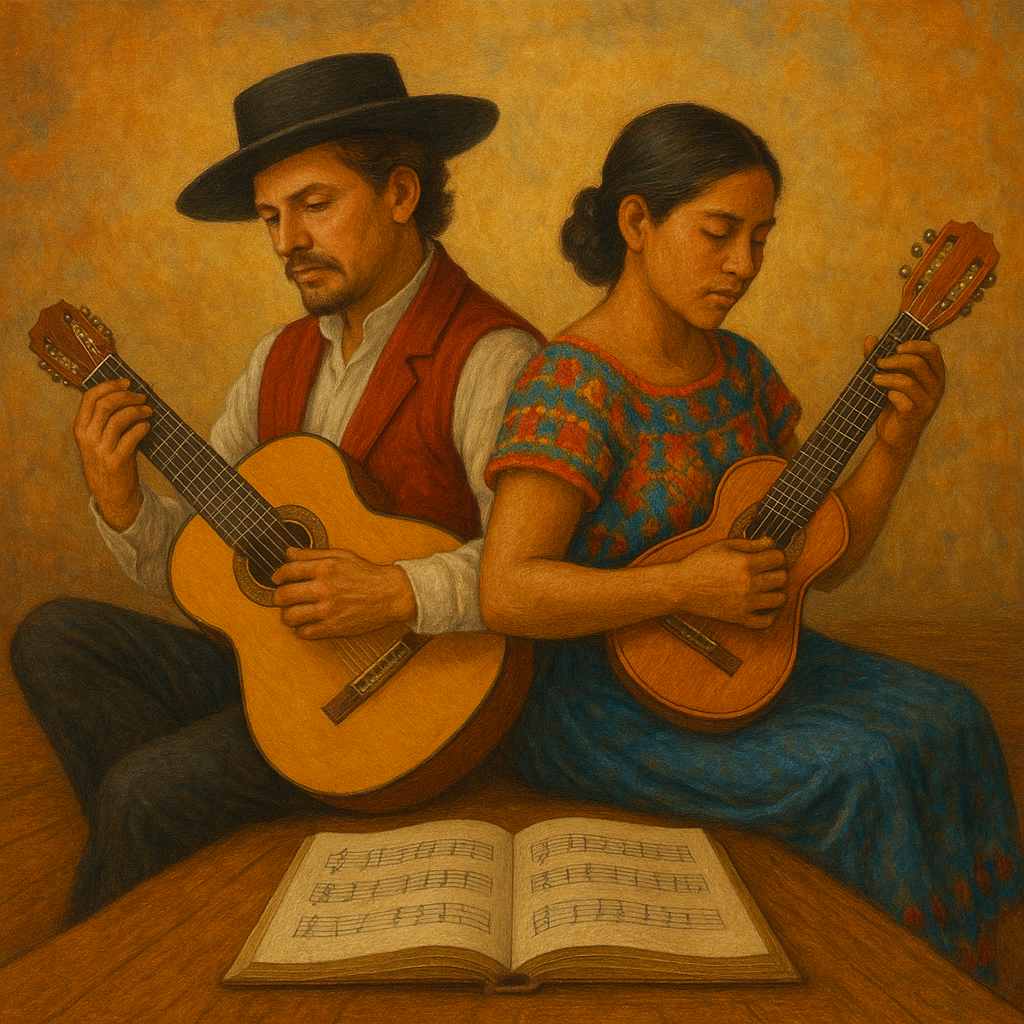
The Spanish language binds together more than 20 countries across two continents, but behind this shared tongue lies a world of fascinating contrasts shaped by centuries of history, migration, conquest, and cultural exchange. From the bustling streets of Madrid to the vibrant plazas of Mexico City, from the poetic Spanish of García Lorca to the rhythmic Caribbean cadence of salsa lyrics, the Spanish language is not a monolith. It’s a living, evolving tapestry deeply influenced by geography, politics, and identity. The story of why Spanish in Buenos Aires feels worlds apart from Spanish in Barcelona isn’t simply about accents or slang—it’s a reflection of the very different historical journeys these societies have taken since the first Spanish ships crossed the Atlantic.
Language, after all, does not exist in isolation. Every sound, every phrase, every idiom carries echoes of the past: of empires and revolutions, of indigenous resistance and colonial ambition, of the tension between tradition and modernity. Understanding why Latin America and Spain differ in speech and culture means looking beyond vocabulary lists and grammar charts. It means diving into the heart of history: how colonization transformed entire civilizations, how migration waves left their mark on speech, and how social dynamics reshaped cultural norms over time.
In this article, we’ll explore the historical roots behind the differences between Latin American Spanish and Peninsular Spanish—and the cultural distinctions that grew alongside these linguistic evolutions. From the impact of indigenous languages on Latin American Spanish to the influence of Arabic on Iberian speech, from colonial hierarchies to modern globalization, every factor adds a layer to the mosaic of Hispanic identity. By the end, you’ll see that what many learners perceive as “different versions of the same language” is, in reality, a story of adaptation, resistance, and creativity that spans more than five centuries.
A Shared Language, Divergent Paths: How It All Began
When Spanish conquistadors set foot in the Americas in the late 15th and early 16th centuries, they carried with them not only weapons and Catholicism but also a language in flux. The Castilian Spanish of that era was markedly different from what we hear in Spain today, let alone in Latin America. Why? Because languages evolve quickly, and contact with new cultures accelerates that process.
In Spain, Spanish developed against a backdrop of centuries of interaction with Arabic-speaking Moors, remnants of Latin from the Roman Empire, and influence from neighboring Romance languages like Catalan, Galician, and Portuguese. Meanwhile, in the New World, Spanish collided with dozens of indigenous languages—Nahuatl in Mexico, Quechua and Aymara in the Andes, Guaraní in Paraguay, and countless others. These languages didn’t vanish; they left indelible marks on vocabulary, pronunciation, and even syntax.
By the time colonial societies solidified, a process of linguistic creolization had already begun. Spanish adapted to new realities: describing foods, landscapes, and cultural practices that had no equivalent in Europe. Words like chocolate (from Nahuatl xocolatl), puma, and cacao entered the Spanish lexicon, enriching it forever. Meanwhile, Spain continued its own linguistic journey, shaped by intellectual movements, political upheavals, and the rise of national identity in the 18th and 19th centuries.
Colonial Power Structures and Social Stratification
The colonial system Spain imposed on the Americas created rigid hierarchies, and these hierarchies influenced language use. In cities, Spanish was the language of administration, education, and prestige, while indigenous languages often survived in rural areas or within family networks. This created a diglossic situation: Spanish for formal domains, native tongues for everyday life among indigenous populations.
As colonial elites prided themselves on their European heritage, “pure” Castilian Spanish became a marker of status. Yet, ironically, isolation from Spain and the practical need to communicate across diverse populations meant that Spanish in Latin America evolved faster and more flexibly than its counterpart in the Iberian Peninsula. Regional dialects emerged, influenced by local realities and contact with native tongues.
Phonetic Divergence: Why Does Spanish Sound Different Across Continents?
One of the most noticeable differences between Latin American and Peninsular Spanish is pronunciation. Linguists often highlight two major trends:
1. The “Seseo” Phenomenon
In most of Latin America, the sounds /s/ and /θ/ (as in “thin”) merged, producing what linguists call seseo. This means casa (house) and caza (hunt) are pronounced identically. In contrast, in much of Spain (particularly northern and central regions), the “Castilian lisp” prevails, distinguishing between s and th sounds.
2. Aspiration and Dropping of Consonants
Caribbean Spanish, as well as coastal varieties in Latin America, often aspirate or drop final /s/, turning los amigos into something like loh amigo. This tendency reflects influences from Andalusian Spanish, which was common among early settlers.
The Influence of Immigration in Latin America
Another major historical force shaping Latin American Spanish was immigration from Europe in the 19th and early 20th centuries. Argentina and Uruguay, for example, received massive waves of Italians, whose melodic intonation influenced the local accent. That’s why Rioplatense Spanish (spoken around Buenos Aires and Montevideo) sounds almost like it’s sung—and why you’ll hear vos instead of tú.
Cultural Divergences Beyond Language
Language and culture are intertwined, and the colonial legacy shaped cultural norms differently in Spain and Latin America. In Spain, a strong sense of regional identity persists—Catalonia, the Basque Country, Galicia—leading to a multilingual nation where Spanish coexists with other languages. In Latin America, mestizaje (racial and cultural mixing) became a defining feature of national identities, blending European, indigenous, and African elements in unique ways.
Food, music, art, and social customs reflect these differences. Compare Spanish flamenco with Colombian cumbia or Mexican mariachi, and you’ll hear distinct histories. Even in religion, while Catholicism dominates both regions, syncretic practices like Santería in Cuba or Day of the Dead in Mexico reveal how local cultures reshaped European traditions.
Modern Dynamics: Globalization and Media
In the 20th and 21st centuries, globalization introduced new dynamics. Latin American Spanish gained global prominence through telenovelas, music, and cinema, making terms like che or güey internationally recognized. Meanwhile, Spain’s influence persists in the European Union, literature, and academia. Today, thanks to digital media, the two varieties constantly interact, influencing each other more than ever before.
Why These Differences Matter for Learners
For language learners, the question often arises: Should I learn Latin American Spanish or Castilian Spanish? The answer depends on your goals. Planning to live in Spain? Go for Castilian. Dreaming of backpacking through South America or doing business in Mexico? Latin American Spanish will serve you better. The good news? They’re mutually intelligible, and understanding both opens the door to a richer cultural experience.
FAQs
1. Is Latin American Spanish easier than Castilian Spanish?
It depends on your native language and exposure. Many learners find Latin American pronunciation simpler because it lacks the th sound common in Spain.
2. Why do Latin Americans use ustedes instead of vosotros?
Historically, vosotros didn’t spread widely during colonization, and ustedes became the standard plural form across Latin America.
3. Do Spain and Latin America use the same vocabulary?
Mostly, yes, but there are many regional differences. For example, carro (car) in Latin America vs. coche in Spain; ordenador (computer) in Spain vs. computadora in Latin America.
4. Which Spanish is more “correct”?
Neither. Both are legitimate evolutions of the same language. The Real Academia Española recognizes all varieties of Spanish.
5. Are there indigenous languages still spoken in Latin America?
Yes! Quechua, Aymara, Guaraní, and hundreds more continue to thrive, influencing local Spanish.
6. Can I switch between Latin American and Castilian Spanish easily?
With exposure and practice, yes. The grammar is the same; differences are mostly pronunciation and vocabulary.
Learn Spanish with Polyglottist Language Academy
At Polyglottist Language Academy, we offer flexible, interactive Spanish classes for every learner—whether you’re interested in Latin American Spanish for travel and work or Castilian Spanish to explore European culture. Our expert instructors will guide you through the nuances of both varieties, helping you speak confidently and understand cultural context.
👉 Ready to start your Spanish journey? Sign up today and join our vibrant learning community!