
Brazil vs. Portugal: Cultural Differences You Didn’t Expect
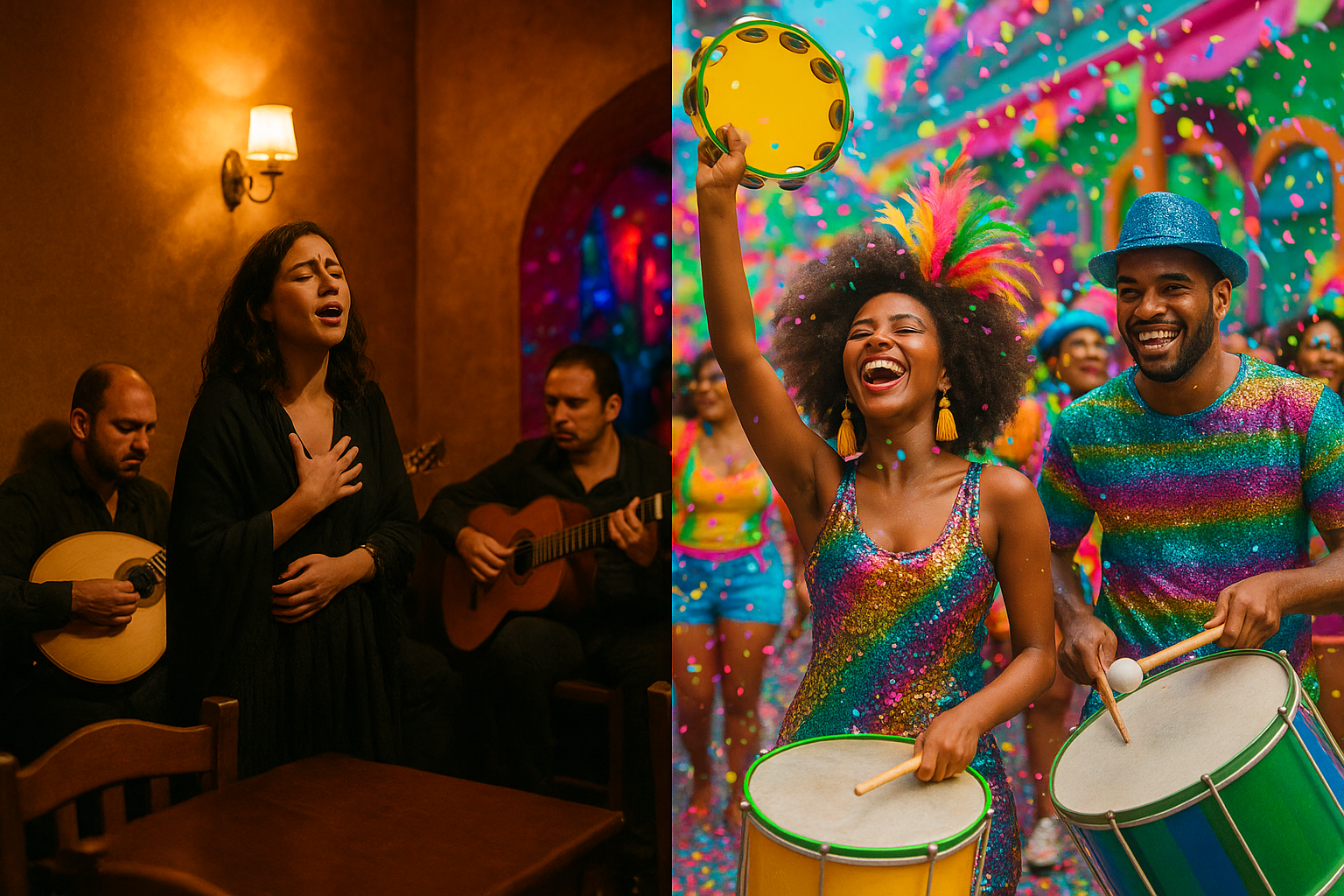
The cultural relationship between Brazil and Portugal is one of the most fascinating in the world, shaped by centuries of shared language, intertwined history, migration, colonization, reinvention, and constant exchange. And yet, despite speaking (mostly) the same language and being forever linked through heritage and tradition, Brazil and Portugal today feel like completely different cultural worlds—two branches of the same tree that grew in dramatically different climates, soils, and historical circumstances. The first time a Brazilian visits Portugal or a Portuguese person steps onto Brazilian soil, both sides experience shock, delight, and often a deep existential curiosity as they encounter versions of themselves they didn’t know existed.
What makes these two Lusophone cultures so strikingly different? How did one language evolve into two distinct forms of expression, rhythm, and identity? And why, even with shared roots, do Brazilians and Portuguese people often feel like they’re meeting long-lost cousins who grew up in distant galaxies?
The truth is that culture is shaped not only by history, but also by climate, music, attitudes toward time, social class structures, immigration patterns, religious evolution, food practices, and worldview. When Portugal transplanted its culture to Brazil in the 1500s, the new environment didn’t just adopt it—it transformed it, absorbed Indigenous influences, merged with West African heritage, adapted to tropical abundance, and evolved into something vibrant, rhythmic, expressive, and uniquely Brazilian. Meanwhile, Portugal continued developing its own identity—more reserved, more Mediterranean-European, shaped by centuries of monarchy, hardship, dictatorship, maritime nostalgia, and quiet resilience.
This article takes you on a rich, surprising journey through the cultural differences between Brazil and Portugal—differences in language, humor, attitudes, food, social customs, music, lifestyle, and personal expression. These are not stereotypes; they are real cultural contrasts observed by travelers, immigrants, and locals on both sides of the Atlantic. By the end, you’ll understand why Brazilians and Portuguese people find each other both familiar and bewildering—and why this relationship remains one of the most complex and fascinating cultural dialogues in the world.
1. LANGUAGE: THE SAME… AND YET COMPLETELY DIFFERENT
1.1 Pronunciation
Brazilian Portuguese:
Open vowels
Clear syllable structure
Melodic rhythm
Easier for beginners
European Portuguese:
Strong vowel reduction
Mumbled or “swallowed” sounds
Fast pace
More like Russian or French in rhythm
A Brazilian hearing European Portuguese often says: “Parece outra língua!” (“It sounds like another language!”)
A Portuguese hearing Brazilian Portuguese may feel it sounds:
slower
softer
more musical
more expressive
1.2 Vocabulary differences
Brazil and Portugal use thousands of different everyday words.
Examples:
bus → ônibus (BR) vs. autocarro (PT)
ice cream → sorvete (BR) vs. gelado (PT)
cell phone → celular (BR) vs. telemóvel (PT)
juice → suco (BR) vs. sumo (PT)
1.3 Formality differences
Portuguese tends to use:
o senhor / a senhora
vocês for plural “you”
Brazil varies:
você is common
tu used in some regions
Formality is generally lower
2. HUMOR: WARM VS. DEADPAN
Brazilian humor:
expressive
physical
full of gestures
includes wordplay, exaggeration, improv
Portuguese humor:
dry
subtle
ironic
more “European” in tone
What Brazilians call “engraçado”, the Portuguese may call “parvo” (silly).
And what the Portuguese find hilarious, a Brazilian may miss entirely.
3. SOCIAL INTERACTION: OPEN VS. RESERVED
3.1 Brazilian warmth
Brazil is known for:
affectionate greetings
hugs
touching arms or shoulders
asking personal questions early
natural friendliness with strangers
3.2 Portuguese reserve
In Portugal, people tend to be:
more formal
less expressive physically
slower to open up
polite but distant with strangers
This difference surprises both sides.
Brazilians may see the Portuguese as cold.
Portuguese may see Brazilians as overly familiar.
4. FOOD: ABUNDANCE VS. SIMPLICITY
4.1 Brazilian cuisine
Shaped by:
Indigenous ingredients
African influences
tropical fruits
large portions
Brazilian meals often include:
rice and beans
farofa
grilled meats
stews like feijoada
4.2 Portuguese cuisine
Rooted in:
maritime culture
simple, quality ingredients
comfort food
Key dishes include:
bacalhau
caldo verde
francesinha
grilled sardines
cod fritters
Portuguese food is generally:
saltier
more olive-oil based
less spicy
more rustic
5. MUSIC & DANCE: SAMBA VS. FADO
5.1 Brazil
Music is everywhere—samba, pagode, funk, bossa nova, forró.
Dance is embedded in daily life.
Brazilian music:
energetic
sensual
rhythmic
joyful
5.2 Portugal
Portugal’s iconic music is fado—emotional, poetic, nostalgic.
Portuguese music:
introspective
melancholic
deeply lyrical
rooted in saudade
Fado and samba are emotional opposites—and both essential to national identity.
6. ATTITUDE TOWARD TIME: TROPICAL FLEXIBILITY VS. EUROPEAN SCHEDULES
6.1 Brazil
Time is:
flexible
fluid
interpreted loosely
“Agora” can mean:
now
in a minute
in half an hour
6.2 Portugal
Time is:
structured
punctual
taken seriously
Portuguese people often get frustrated with Brazilian lateness, while Brazilians find Portuguese time expectations rigid.
7. COMMUNICATION STYLE: DIRECT VS. DIPLOMATIC… BUT NOT HOW YOU THINK
7.1 Brazilians are indirect emotionally
Brazilians avoid saying “no.”
They soften criticism with:
então…
talvez…
vamos ver…
7.2 Portuguese are direct verbally
Portuguese communication is:
straightforward
blunt
honest
sometimes bordering on rude to Brazilian ears
Yet Portuguese people are emotionally private.
Meanwhile, Brazilians are emotionally open but verbally diplomatic.
8. HISTORY & IDENTITY: EMPIRE VS. NEW WORLD
8.1 Portugal carries centuries of European history
Portugal is shaped by:
monarchy
Catholic traditions
dictatorship under Salazar
maritime nostalgia
immigration waves to France, Switzerland, Luxembourg
The national mood often leans toward:
reflection
melancholy
modesty
8.2 Brazil is shaped by multiculturalism
Brazil is:
Indigenous
African
European
Middle Eastern
Japanese
Brazilian identity is:
hybrid
dynamic
reinvented across generations
This multicultural foundation shapes everything—from cuisine to music to worldview.
9. RELATIONSHIP WITH AUTHORITY
9.1 Brazil: relaxed, fluid, skeptical
Brazilians often:
negotiate rules
find creative solutions
distrust institutions
improvise
9.2 Portugal: structured, procedural, traditional
Portuguese people:
follow rules more consistently
expect bureaucratic processes
value official documentation
respect hierarchy
10. THE FEELING OF EACH COUNTRY
10.1 Brazil feels…
vibrant
unpredictable
dynamic
emotional
expressive
hopeful
10.2 Portugal feels…
calm
nostalgic
stable
thoughtful
grounded
introspective
These feelings shape everything from daily routines to cultural expression.
FAQs
1. Is Portuguese in Brazil and Portugal the same language?
Yes, but pronunciation, vocabulary, and expressions differ significantly.
2. Why do Brazilians sound so different from Portuguese speakers?
Climate, Indigenous and African influences, and natural linguistic evolution played major roles.
3. Are Brazilians more friendly than Portuguese people?
They are generally more expressive and open, but both cultures value warmth and hospitality in different ways.
4. Is Brazilian Portuguese easier to learn?
For most learners—yes, because of clearer pronunciation and simpler verb usage.
5. Do Brazilians and Portuguese people misunderstand each other?
Sometimes—especially slang, humor, and tone. But mutual understanding is strong.
6. Which country is more formal?
Portugal tends to follow more formal social norms, while Brazil is more informal.
7. What about food differences?
Brazil: tropical, colorful, abundant.
Portugal: rustic, seafood-heavy, Mediterranean.
8. Do cultural differences affect business communication?
Absolutely—time expectations, politeness levels, and directness vary widely.
LEARN PORTUGUESE AND UNDERSTAND BOTH CULTURES WITH POLYGLOTTIST LANGUAGE ACADEMY
If you’re fascinated by the cultural differences between Brazil and Portugal, learning Portuguese will open the door to both worlds. Whether you want to speak Brazilian Portuguese, European Portuguese, or both, we’re here to guide you.
At Polyglottist Language Academy, we offer:
small group classes
private lessons
native instructors from both Brazil and Portugal
flexible online options
cultural insights woven into every class
👉 Ready to start your Portuguese journey?
Sign up today and explore the richness of the Lusophone world!
MORE ARTICLES YOU’LL LOVE
Here are eight additional articles from our language blog: