
Pastéis de Nata and Beyond: The Sweet Side of Portugal
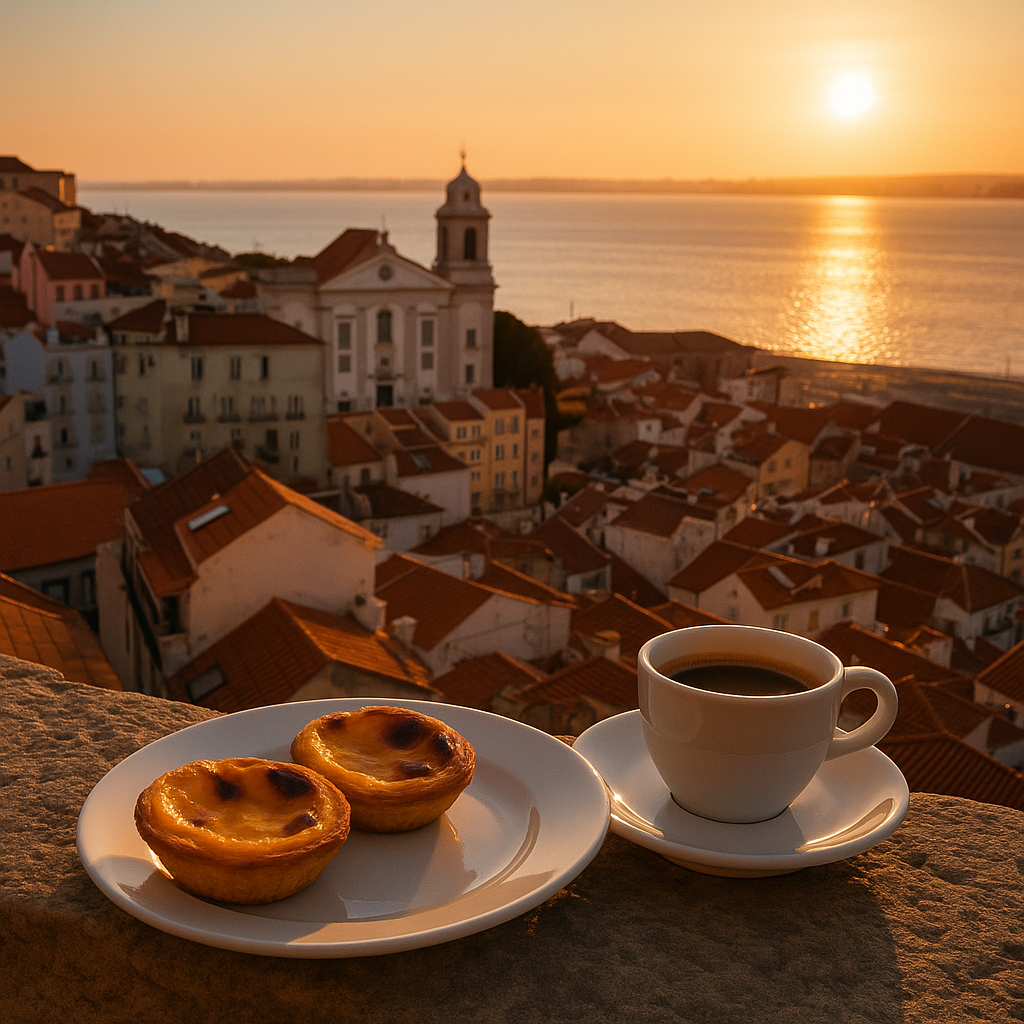
The story of Portugal’s desserts begins with a remarkable blend of monastic tradition, maritime adventure, agricultural abundance, and centuries-old culinary creativity, and it leads to the unforgettable moment when a small, flaky tart filled with silky custard becomes a cultural ambassador recognized around the world—as familiar in Lisbon as it is in London, as beloved in Brazil as it is in Macau, and so iconic that it single-handedly represents Portuguese baking to countless travelers before they even set foot in Portugal. Pastéis de nata, those golden cups of caramelized bliss, may be the star of the Portuguese dessert universe, but they exist in a constellation of sweets that reveal a deeper, richer, and far more surprising story of how sugar, spices, eggs, convents, sailors, oranges, almonds, and centuries of history shaped one of Europe’s most distinctive dessert traditions. When you explore the sweet side of Portugal, you uncover not just flavors but entire worlds—worlds built on faith, trade, geography, and creativity.
To understand Portuguese sweets is to walk into a culture where food is not simply nourishment but heritage; where recipes are protected, guarded, and passed down through generations as treasures; where pastries have names that sound like poetry or prayers; where desserts are not merely eaten but celebrated; and where each region—from the rivers of the North to the sandy plains of the Alentejo, from the mountains of the interior to the blue coast of the Algarve—boasts its own specialties, each shaped by local ingredients, monastic influences, and centuries of culinary experimentation. The sweet side of Portugal is lush, warm, fragrant, and diverse, inviting you to savor not only pastéis de nata but also dozens of other delicacies whose stories stretch across continents.
If you’ve only known Portugal through travel photos, surf beaches, fado music, or azulejo tiles, prepare for a revelation: this is a dessert country. A country where the eggs flow richly, where sugar is used lavishly, where cinnamon arrived centuries before it reached the rest of Europe, and where preserved fruits, almond pastries, egg-yolk confections, and creamy tarts define daily life. Every café showcases glass cases filled with pastries shaped like shells, domes, spirals, and stars. Every region has its pride and joy. And every visitor who tastes a Portuguese dessert remembers it forever.
This article takes you deep into Portugal’s sweetest traditions—from the monastic origins of pastéis de nata to the almond-rich sweets of Algarve, the sponge cakes of Póvoa de Varzim, the egg threads of Aveiro, the coconut confections of the islands, and the global influences woven through centuries of exploration and trade. Whether you love baking, travel, culture, or language, you’re about to enter a world of flavor where every dessert has a story.
Let’s explore the sweet side of Portugal—beginning with the custard tart that took over the world.
1. THE LEGEND OF PASTÉIS DE NATA
1.1. Birth in a Monastery
The most famous dessert in Portugal was born in the 18th century inside the Jerónimos Monastery in Belém, Lisbon. At the time, monks used egg whites to starch their robes, leaving behind countless egg yolks. Waste not: they turned the yolks into pastries.
Thus, the first pastéis de nata were created.
1.2. The Secret Recipe
When the monastery closed in the 1830s, the recipe was sold to a local sugar refinery whose owners opened the now legendary shop:
Pastéis de Belém
Rua de Belém 84–92
(Still guarded like a state secret.)
Only a handful of people in the world know the original recipe.
1.3. What Makes Pastéis de Nata Unique
Flaky, buttery, laminated crust
Silky, warm custard
Caramelized top
Sprinkling of cinnamon or powdered sugar
Their texture, aroma, and balance of sweetness are unmatched.
1.4. The Global Expansion
Today, pastéis de nata are everywhere:
✔ London
✔ Paris
✔ Tokyo
✔ São Paulo
✔ Macau
✔ New York
They are Portugal’s most beloved culinary export.
But as iconic as they are, they’re only the beginning.
2. PORTUGAL’S MONASTIC DESSERT TRADITION
Portuguese dessert culture is deeply rooted in convents and monasteries.
2.1. “Doces Conventuais” — Convent Sweets
Between the 16th and 18th centuries, nuns and monks created hundreds of sweets using:
Egg yolks
Sugar
Almonds
Cinnamon
Why so many yolks?
Because egg whites were used for:
Ironing religious garments
Clarifying wine
Filtering sugar
Making host wafers
The leftover yolks became desserts.
2.2. Characteristics of Convent Sweets
Very rich
Egg-based
Soft, silky textures
Often shaped symbolically (flowers, spirals, jewels)
Sweet enough to last without refrigeration
2.3. Examples
Ovos moles (Aveiro)
Pão de ló (various regions)
Toucinho do céu
Encharcada
Fios de ovos
Barrigas de freira
Trouxas de ovos
Each has its own spiritual and historical story.
3. REGIONAL DESSERTS ACROSS PORTUGAL
Portugal’s sweets vary dramatically by region. Let’s travel north to south.
3.1. Northern Portugal: Rich, Moist, Eggy Desserts
Pão de Ló
Perhaps the most famous northern dessert. Light, airy, and full of egg aroma.
Cavacas
Glazed, hollow pastries with a crunchy finish.
Pitos de Santa Luzia
Small, sweet pastries filled with pumpkin, cinnamon, and almond.
3.2. Central Portugal: Cream, Almond, and Sponge
Ovos Moles de Aveiro
The pride of Aveiro.
Egg yolk threads in edible shells shaped like fish and shells.
Brisas do Lis
Silky custard cups from Leiria.
3.3. Lisbon Region: Classics and Global Influence
Travesseiros de Sintra
Flaky pillows filled with almond and egg cream.
Queijadas de Sintra
Creamy, sweet cheese tarts with centuries of history.
Pastéis de Belém
Of course—still baked using the secret recipe.
3.4. Alentejo: Almonds, Citrus, Cinnamon
This region is famous for:
Sericaia
Encharcada
Tarte de Amêndoa
Pão de Rala
These desserts reflect the warmer climate and Moorish influence.
3.5. Algarve: Almonds, Figs, Oranges
Dom Rodrigos
Brightly wrapped almond and egg-yolk confections.
Morgado
A dense almond cake shaped like fruit.
Figos Cheios
Stuffed dried figs with nuts and spices.
The Algarve’s sweets reflect its Moorish past and Mediterranean climate.
3.6. The Islands: Madeira & Azores
Bolo de Mel (Madeira)
A dark, spiced cake that lasts a full year.
Malassadas (Azores)
Fried dough similar to beignets—fluffy, warm, coated in sugar.
4. THE GLOBAL STORY OF PORTUGUESE DESSERTS
Portugal’s desserts have traveled across oceans.
4.1. Brazil
Introduced:
Pudim (similar to flan)
Quindim
Brigadeiro (inspired by European sweets)
Cocada
The Portuguese influence on Brazilian sweets is immense.
4.2. Japan
Introduced in the 1500s:
Castella cake (kasutera) → derived from pão de ló
Tempura (from “tempero”)
Konpeitō (candy influenced by Portuguese confections)
4.3. India & Goa
Sweets influenced by coconut, cardamom, and egg traditions.
Examples:
Bebinca
Doce de Grao
Patoleo
5. WHY PORTUGUESE SWEETS ARE SO UNIQUE
5.1. Egg Yolks as a Base
No other European dessert culture uses egg yolks as intensely.
5.2. Almonds, Cinnamon, and Citrus
These spices came early thanks to maritime trade.
5.3. Moorish Influence
Sweetness, almonds, honey, and spices reveal centuries of coexistence.
5.4. Regional Pride
Each region protects its recipes fiercely.
5.5. Global Blending
Portugal’s empire spread flavors across continents.
6. TASTING PORTUGAL: A SWEET JOURNEY
Here are the must-try Portuguese desserts if you visit Portugal:
Pastéis de nata (Lisbon)
Travesseiros (Sintra)
Ovos moles (Aveiro)
Pão de ló (Porto region)
Dom Rodrigos (Algarve)
Bolo de mel (Madeira)
Queijadas (various regions)
Malassadas (Azores)
Pair them with Portuguese coffee, and you have pure happiness.
7. CAN YOU MAKE PORTUGUESE DESSERTS AT HOME?
Absolutely—but be prepared for:
Many egg yolks
Precise temperatures
Patience
Lots of stirring
Pastéis de nata are challenging for beginners but rewarding.
8. THE FUTURE OF PORTUGUESE DESSERTS
Portugal’s pastry scene is rising globally.
New pastelarias in major cities
Fusion versions of pastéis de nata
Vegan and gluten-free interpretations
High-end reinterpretations
Growing tourism demand
Pastéis de nata may remain the symbol, but the world is discovering much more.
FAQ: The Sweet Side of Portugal
1. Why do Portuguese desserts use so many egg yolks?
Because religious orders used egg whites to starch garments, leaving yolks for cooking.
2. Are pastéis de nata and pastéis de Belém the same?
Similar, but the Belém version uses a secret recipe.
3. What are the most traditional Portuguese sweets?
Ovos moles, pão de ló, queijadas, travesseiros, toucinho do céu, and pastéis de nata.
4. Are Portuguese desserts very sweet?
Yes—many are intensely sweet due to historical sugar use.
5. What dessert should first-time visitors try?
Pastéis de nata, ideally fresh and warm.
6. What is the influence of Portugal’s explorations on desserts?
They introduced cinnamon, sugar, citrus, and new baking techniques.
7. Which regions have the best sweets?
Every region, but Lisbon, Sintra, Aveiro, and Algarve are especially famous.
8. Can you find Portuguese desserts outside Portugal?
Yes—pastéis de nata are globally available, though quality varies.
Ready to Explore Portuguese Culture? Learn the Language with Us!
If this article made you crave not only desserts but also Portuguese culture, travel, and language, there’s no better next step than learning Portuguese with the help of a dedicated instructor.
At Polyglottist Language Academy, we offer:
✔ European Portuguese classes
✔ Brazilian Portuguese classes
✔ Online and in-person courses
✔ Small, friendly groups
✔ Expert instructors
✔ Courses for beginners through advanced learners
Whether you're planning a trip to Lisbon, dreaming of walking through Sintra’s pastry shops, or simply want to connect more deeply with Portuguese culture, our classes will help you get there.
👉 Sign up today for Portuguese classes at Polyglottist Language Academy.
Discover the language behind the sweets!
Check Out These Other Articles on Our Blog
Here are 8 more articles you’ll enjoy: