
How Russians Really Dress Indoors (Layering, Home Clothes, Slippers Culture)
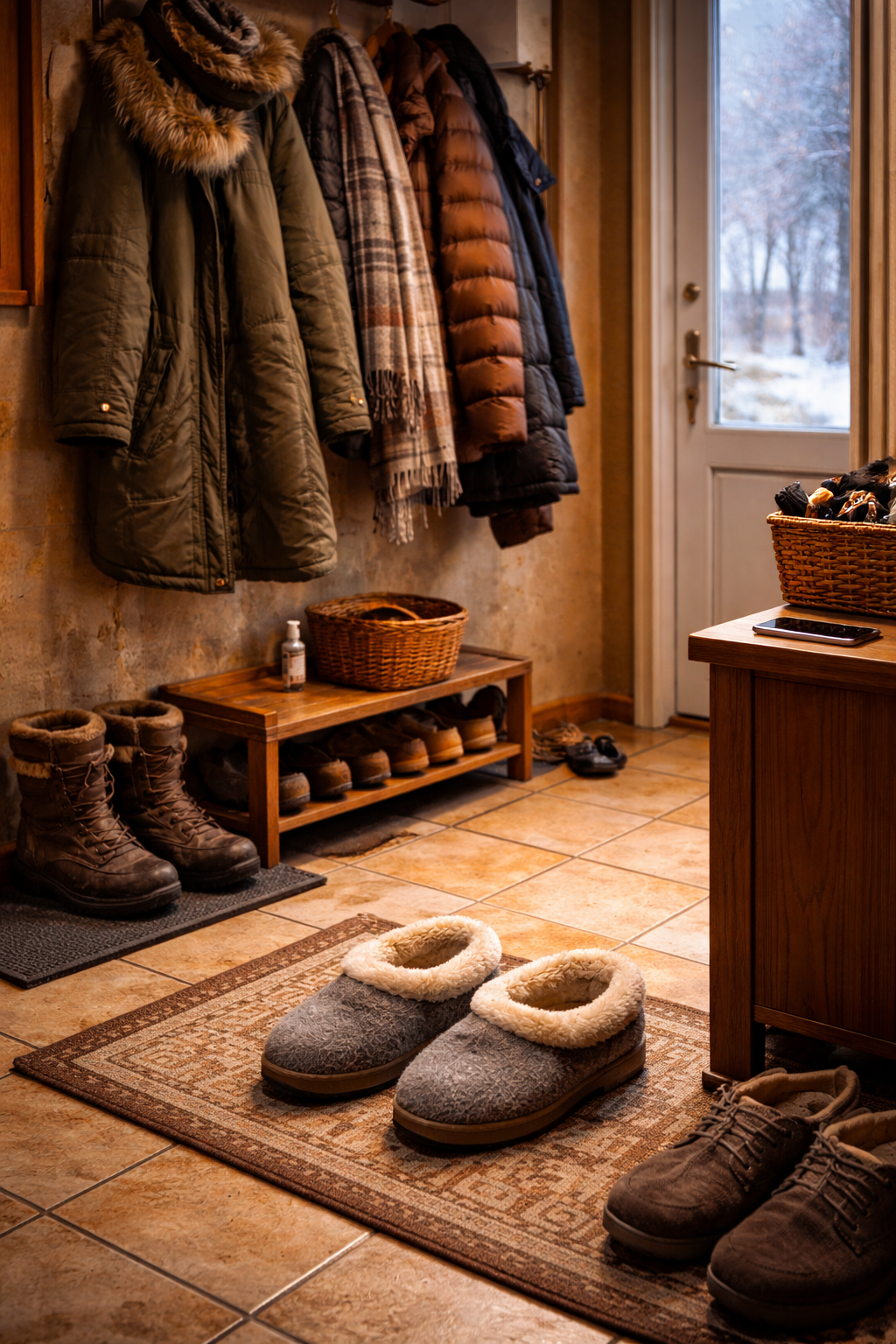
There is a moment that surprises many visitors to Russia more than the cold streets, the serious faces, or even the endless tea refills, and it happens quietly, right after the coat comes off, when the door closes, the outside world is left behind, and an entirely different set of clothing rules suddenly takes over—rules that reveal far more about Russian life, comfort, and values than fashion ever could.
In Russia, what you wear indoors is not an afterthought. It is not accidental, sloppy, or irrelevant. It is deliberate, meaningful, and deeply ingrained. The way Russians dress at home reflects climate, history, architecture, social expectations, and a very specific understanding of comfort that is often misunderstood by outsiders. To really grasp Russian culture, you have to step inside—not just into apartments, but into this private universe of layers, slippers, house dresses, worn sweaters, and the unspoken logic behind them.
Many Westerners assume that home clothes everywhere mean pajamas, sweatpants, or whatever happens to be clean. In Russia, the boundary between “outdoor clothes” and “home clothes” is strict. Crossing it without changing feels wrong, almost disrespectful—to the home, to the people inside it, and to yourself. This distinction is so natural to Russians that it often goes completely unnoticed until someone from abroad unknowingly violates it.
This article explores how Russians really dress indoors: why layering matters even inside heated apartments, why “home clothes” are their own category rather than an extension of sleepwear, why slippers are non-negotiable, and what all of this tells us about Russian attitudes toward cleanliness, privacy, and everyday dignity. As with food, language, and rituals, clothing at home is another quiet system shaped by long winters and collective experience.
The Climate That Never Fully Stays Outside
To understand indoor clothing in Russia, you first need to understand that winter does not politely remain outdoors. Cold seeps into walls, stairwells, floors, and even well-heated apartments. Many buildings—especially older Soviet-era ones—retain warmth unevenly. Radiators may blast heat in one room while another remains chilly. Windows can leak cold air. Floors, especially tile or linoleum, stay cold for months.
This is why layering indoors is not a contradiction. Russians dress in layers at home not because heating is inadequate, but because temperature is dynamic. A light T-shirt might be comfortable while cooking; a wool cardigan becomes essential while sitting still. Socks are worn almost year-round. Bare feet on cold floors are unthinkable for most people.
Layering indoors is practical, not aesthetic. It allows flexibility and comfort without constantly adjusting the thermostat. This habit is learned early and passed down without explanation.
The Sacred Divide: Outdoor Clothes vs. Home Clothes
One of the strongest unspoken rules in Russian households is this: outdoor clothes do not belong indoors. The moment you enter an apartment, coats come off, shoes are removed, and home clothes appear.
Wearing jeans, sweaters, or dresses that were worn outside—especially in winter—while lounging at home feels deeply uncomfortable to most Russians. Outdoor clothes carry the dirt, cold, and chaos of the street. Home is meant to be clean, controlled, and separate.
This division is so strong that many Russians keep a completely separate wardrobe exclusively for home use. These clothes are comfortable, familiar, and often worn until they are soft with age.
What Are “Home Clothes,” Really?
Home clothes in Russia are not pajamas. They are not what you sleep in, and they are not what you would wear outside. They occupy a middle category that is surprisingly specific.
For women, this often includes:
House dresses (khalat or platye)
Soft skirts with sweaters
Leggings paired with tunics
Cardigans worn over simple tops
For men, typical home clothes include:
Soft trousers or track pants (not gym wear)
T-shirts or long-sleeved cotton tops
Old but clean sweaters
The key elements are comfort, modesty, and readiness. You should be comfortable enough to relax, but presentable enough to answer the door or receive a guest without embarrassment.
Slippers: A Cultural Absolute
Slippers are not optional in Russian homes. They are expected, provided, and often insisted upon.
Every household has multiple pairs of slippers—some personal, some reserved for guests. Entering someone’s home and remaining in socks or bare feet is unusual. Walking around in outdoor shoes is almost unthinkable.
Slippers serve several purposes:
Insulation from cold floors
Cleanliness
Psychological transition from outside to inside
Putting on slippers is a ritual act. It signals that you are now inside, safe, and allowed to relax.
The Guest Slippers Phenomenon
Guest slippers deserve special mention. Offering slippers to guests is a basic act of hospitality. Hosts often apologize if they don’t have enough pairs or if the slippers don’t match perfectly.
Some guests bring their own slippers when visiting close friends or family, especially in winter. This is not strange; it is thoughtful.
Refusing slippers can feel awkward. Accepting them means accepting care.
Generational Differences in Home Dressing
Older generations tend to dress more formally at home. Women may wear structured house dresses, men button-up shirts even indoors. For them, dressing well is tied to self-respect.
Younger Russians are more relaxed, adopting modern loungewear, hoodies, and softer silhouettes. Still, the indoor-outdoor divide remains strong.
Across generations, one rule holds: home clothes should be clean, intentional, and separate.
Cleanliness, Floors, and the Psychology of Slippers
Russian slipper culture is closely linked to ideas of cleanliness. Floors are not considered clean surfaces. Sitting or lying on the floor is rare. Children are often discouraged from playing directly on bare floors without rugs.
Slippers protect both the floor and the person. They maintain boundaries.
Dressing for Warmth vs. Dressing for Display
Russian indoor clothing prioritizes warmth and function over appearance. This does not mean Russians don’t care about style—quite the opposite outdoors—but at home, utility wins.
The home is not a stage. It is a refuge.
How Indoor Clothing Reflects Russian Values
The way Russians dress at home reflects:
Respect for personal space
Clear boundaries between public and private life
Endurance shaped by climate
Quiet dignity in everyday routines
These values echo through language, gestures, and social expectations.
Common Misunderstandings by Visitors
Visitors sometimes interpret Russian home clothes as old-fashioned or overly cautious. In reality, they represent efficiency and care.
Missteps include:
Staying in outdoor clothes
Refusing slippers
Sitting on cold floors
Understanding these norms builds instant cultural fluency.
FAQs About How Russians Dress Indoors
Do Russians really change clothes immediately at home?
Yes, almost always.
Are slippers mandatory?
In most homes, yes.
Do Russians wear pajamas during the day?
Rarely. Pajamas are for sleeping.
Is this changing with younger generations?
Styles evolve, but the core rules remain.
What should a visitor wear indoors?
Accept slippers and wear clean, comfortable clothes.
Learn Russian Through Everyday Culture
Understanding how Russians dress indoors helps you understand how they think about space, comfort, and boundaries—insights that make the language itself easier to grasp.
At Polyglottist Language Academy, we teach Russian as it is lived, not just as it is written. Our classes—online and in person—integrate language with culture, daily habits, and real communication.
👉 Sign up for our Russian classes at Polyglottist Language Academy and start learning the language through real life.
Continue Exploring Russian Culture
If you enjoyed this article, explore these related pieces from our blog:
Why Russian Soups Are the Heart of Winter Cooking
Russian Hot Drinks You Need to Try (Not Just Tea!)
How to Decode Authentic Russian Menus
10 Russian Proverbs That Reveal a Nation’s Soul
Why Russian Literature Still Feels Shockingly Modern Today
How Russians Navigate Public Space (and Why Americans Struggle)
How to Improve Your Russian Listening Skills Fast
Learn Russian Like a Native: Classes in San Francisco and Berkeley