
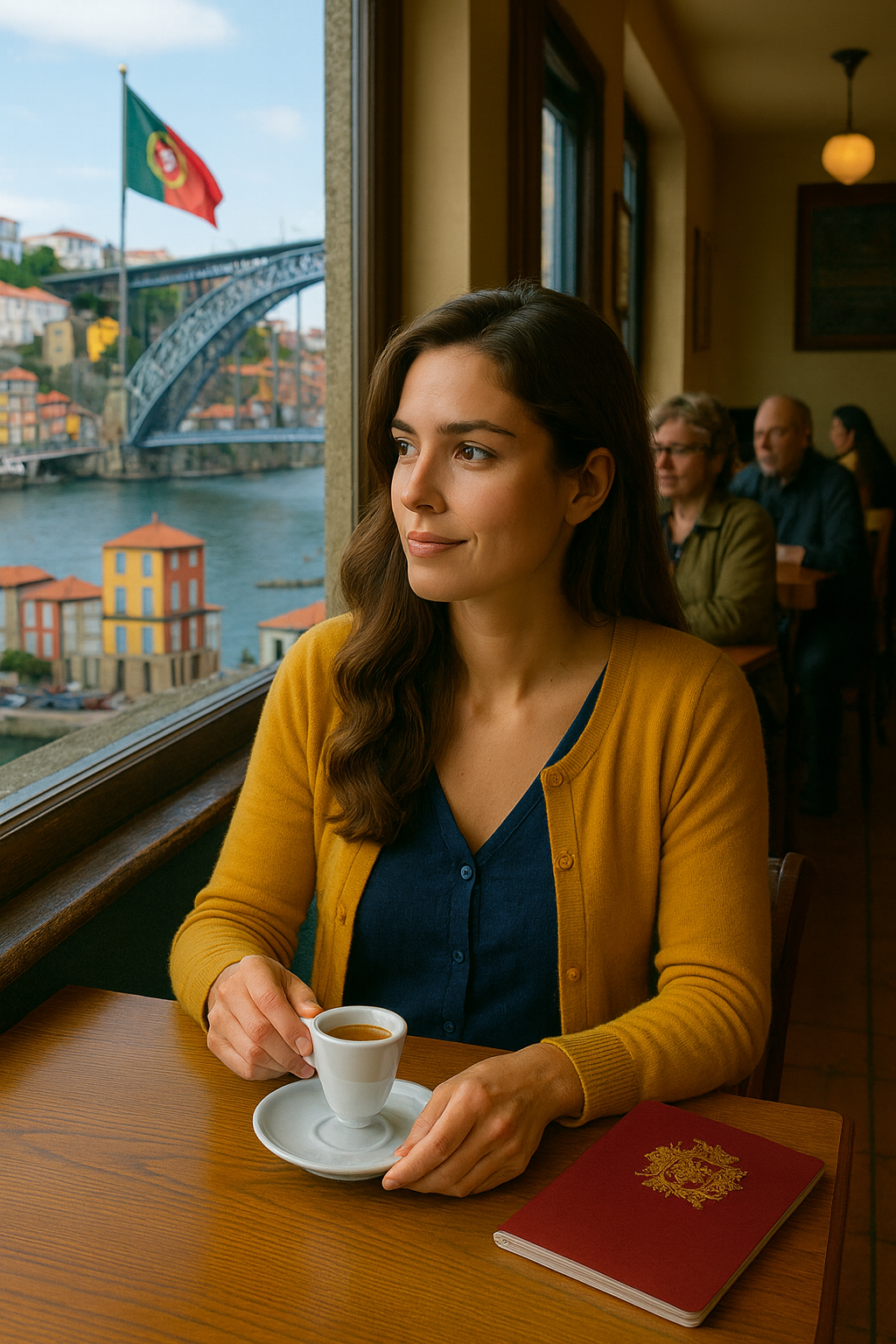
Choosing between Lisbon and Porto for your first trip to Portugal is no small decision, because while these two cities share the same language, cuisine, and national pride, they embody entirely different versions of Portugal’s identity. Lisbon is the capital, the cosmopolitan hub, a city of hills and light that tells stories of empire, discovery, and resilience. Porto, by contrast, is smaller, moodier, and more intimate, defined by the Douro River, tiled facades, and the world-famous port wine trade. Both cities deserve your time, but when it comes to your first visit, the choice reveals what kind of traveler you are, what you want to experience, and what kind of Portugal you hope to discover.
Portugal is not a vast country, yet its regional differences are profound. Lisbon and Porto are only about three hours apart by train, but in many ways they might as well be worlds away. Lisbon feels expansive, open to the Atlantic, infused with a golden light that bathes its whitewashed and pastel buildings. Porto, further north, is rugged, with narrow medieval streets, granite churches, and a blue-grey atmosphere that complements its Azulejo-covered walls. Both are authentic. Both are beautiful. And both can serve as the perfect entry point into Portuguese culture, history, and daily life.
This article will explore the contrasts and connections between Lisbon and Porto—looking at their history, architecture, food, nightlife, culture, and atmosphere. By the end, you’ll not only know which city might be the best starting point for you but also why most travelers inevitably find themselves returning to Portugal to experience both.
1. History and Identity
Lisbon: A City of Discoveries and Resilience
Lisbon’s history is inseparable from Portugal’s Age of Discoveries. From the 15th and 16th centuries, ships departed from Lisbon’s shores to explore Africa, Asia, and South America, bringing back wealth, spices, and cultural influences that shaped the modern world. The Belém Tower and the Jerónimos Monastery remain monuments to this golden age.
But Lisbon is also a city marked by resilience. The devastating earthquake of 1755 nearly destroyed the capital, followed by a tsunami and fires. The rebuilding under the Marquis of Pombal gave Lisbon its grand boulevards, neoclassical buildings, and rational street planning—contrasting with the winding alleys of the older Alfama district.
Porto: A City of Work and Wine
Porto, historically known as Oporto, has a very different identity. While Lisbon ruled an empire, Porto built its reputation on trade and labor. The Douro River made Porto the hub for exporting port wine, a product that still defines the city globally. Porto was also at the forefront of Portuguese liberal movements, known for its independent spirit and industrious character.
Where Lisbon embodies power and spectacle, Porto embodies grit and authenticity. Its nickname, “Cidade Invicta” (Unvanquished City), comes from its resilience during military sieges.
2. Atmosphere and Aesthetics
Lisbon: Light, Hills, and Open Horizons
Lisbon is famously a city of seven hills, and climbing them reveals sweeping views over the Tagus River and the Atlantic. The city’s atmosphere is defined by light—the way it reflects off the river and illuminates the pastel-colored buildings and terracotta rooftops. Lisbon feels bright, open, and cosmopolitan. The wide plazas like Praça do Comércio and tree-lined avenues create a sense of grandeur.
Porto: Narrow Streets and Blue Azulejos
Porto, in contrast, feels enclosed, intimate, and textured. Its granite buildings, steep alleys, and endless staircases lead you into a maze of discovery. Blue Azulejo tiles cover churches like the Igreja do Carmo, giving the city its distinctive look. Porto’s mood is more solemn and nostalgic, perfectly paired with a glass of port at sunset by the Douro.
3. Food and Drink
Lisbon: Seafood and Cosmopolitan Tastes
Lisbon is heaven for seafood lovers. The mercados (like Mercado da Ribeira/Time Out Market) offer grilled sardines, octopus salad, and bacalhau prepared in dozens of ways. Lisbon is also where you’ll find the original Pastéis de Belém, the custard tarts that are now a global obsession.
As the capital, Lisbon also has a more international food scene, with influences from former colonies like Mozambique, Goa, and Cape Verde. Fine dining thrives here, including Michelin-starred restaurants.
Porto: Hearty and Traditional
Porto’s food is heartier, built for northern appetites. The francesinha, a decadent sandwich layered with meats, cheese, and covered in sauce, is a local legend. Tripas à moda do Porto (tripe stew) reflects the city’s humble culinary history.
Of course, Porto’s greatest contribution is port wine, stored in the cellars of Vila Nova de Gaia across the Douro. Tasting port at the source is a must for visitors.
4. Nightlife and Culture
Lisbon: Fado and Rooftop Bars
Lisbon’s nightlife offers variety. In the Alfama and Bairro Alto districts, you can listen to fado, Portugal’s hauntingly beautiful traditional music. At the same time, Lisbon boasts rooftop bars, riverfront clubs, and live music venues that stay alive until morning. The capital attracts international artists and festivals, making it dynamic and modern.
Porto: Wine Bars and Intimate Venues
Porto’s nightlife is more laid-back but no less enjoyable. Ribeira, the riverside district, offers plenty of bars where you can sip port wine or cocktails while overlooking the Douro. Rua Galeria de Paris is the city’s nightlife street, buzzing with students and locals. Cultural venues like Casa da Música provide world-class performances in a strikingly modern building.
5. Architecture and Landmarks
Lisbon’s Highlights
Belém Tower and Jerónimos Monastery (UNESCO World Heritage sites).
Alfama district with its Moorish influences.
Baixa Pombalina, rebuilt after the 1755 earthquake.
Elevador de Santa Justa, a quirky iron elevator with city views.
Porto’s Highlights
Dom Luís I Bridge, an iconic double-deck iron bridge designed by a disciple of Gustave Eiffel.
São Bento Railway Station, decorated with thousands of Azulejo tiles.
Clérigos Tower, offering panoramic views of the city.
Port wine cellars in Vila Nova de Gaia.
6. Cost and Accessibility
Lisbon, being the capital, is generally more expensive than Porto. Hotels, restaurants, and attractions can cost more, though Lisbon still remains affordable compared to other European capitals.
Porto, while slightly less costly, is also smaller and more walkable. Many travelers note that Porto feels more intimate and budget-friendly, especially when it comes to dining and accommodation.
7. Which City for Which Traveler?
Choose Lisbon if…
You love big, vibrant capitals.
You want variety in food, culture, and nightlife.
You’re interested in history tied to global exploration.
You enjoy sunshine and open plazas.
Choose Porto if…
You prefer smaller, cozier cities.
You’re drawn to authenticity and tradition.
You’re a wine lover.
You like moody, atmospheric cities with texture.
8. Why You Should See Both
Ultimately, Lisbon and Porto complement one another. Lisbon shows Portugal’s grandeur, global history, and cosmopolitanism. Porto reveals its soul, grit, and traditions. Seeing both cities provides a full picture of Portugal: the ambitious outward-looking capital and the resilient northern heart.
FAQs
1. Is Lisbon or Porto better for first-time visitors to Portugal?
Lisbon offers more variety and international appeal, while Porto offers intimacy and authenticity. The choice depends on your travel style.
2. How far is Porto from Lisbon?
About 300 km (186 miles). High-speed trains connect the two cities in about 3 hours.
3. Which city is cheaper?
Porto is generally cheaper for food and accommodation, though both cities are affordable compared to other European destinations.
4. Is the food different between Lisbon and Porto?
Yes. Lisbon emphasizes seafood and cosmopolitan cuisine, while Porto is known for hearty northern dishes and port wine.
5. Do both cities have good nightlife?
Yes. Lisbon’s nightlife is more varied and international, while Porto’s is more intimate and focused on wine bars and student energy.
6. Which city is better for day trips?
Lisbon offers access to Sintra, Cascais, and the Alentejo. Porto offers access to the Douro Valley and Braga.
7. Which city is more walkable?
Porto is smaller and easier to explore on foot, though both cities have hills.
8. Should I split my time between Lisbon and Porto?
Yes. If you have more than a week, spending time in both cities provides the fullest experience of Portugal.
Conclusion: Lisbon or Porto?
The truth is that the debate between Lisbon and Porto is less about competition and more about preference. Lisbon dazzles with its light, history, and cosmopolitan appeal. Porto enchants with its intimacy, authenticity, and soul. Whichever city you choose first, you’ll likely find yourself planning a trip to the other soon after.
💡 Explore more of our blog for related articles: