
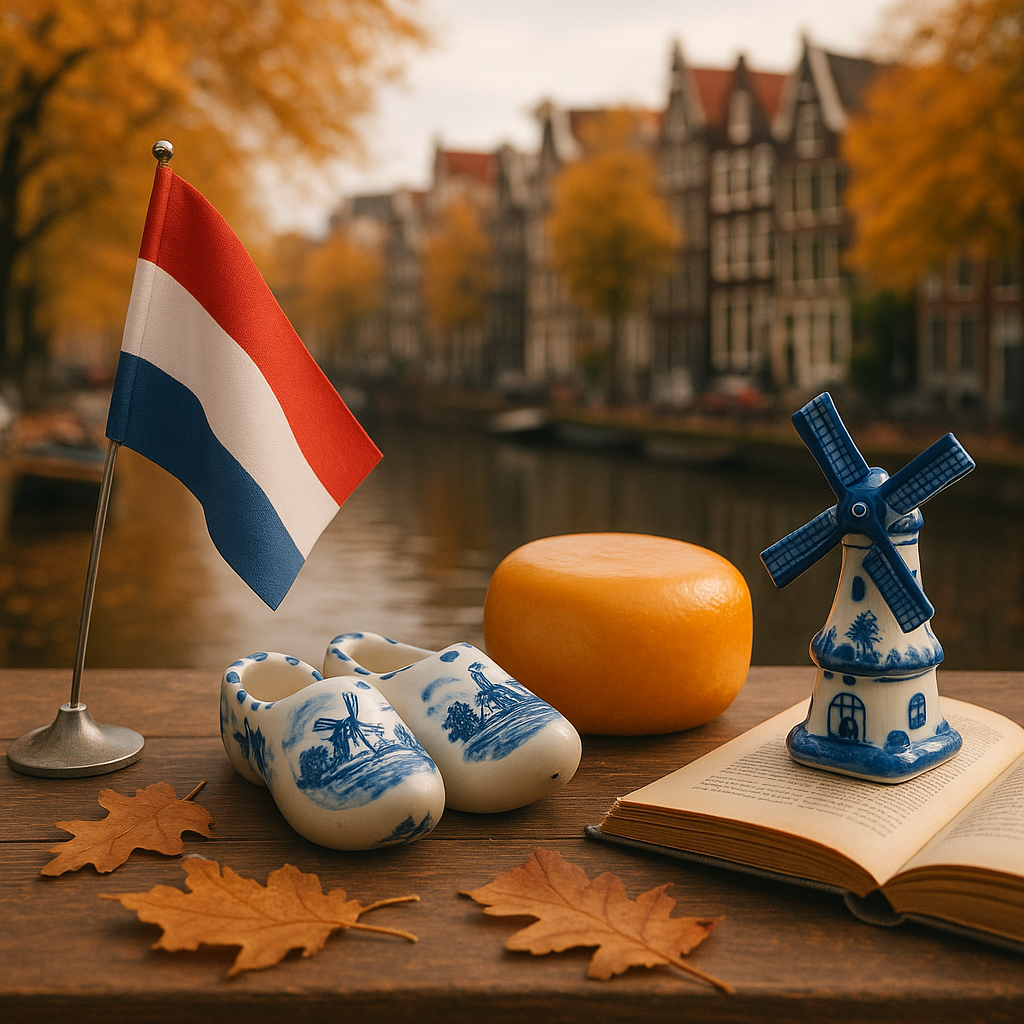
Celebrate a Language That's as Unique as the Country That Speaks It.
This article is retained from PLA’s previous October Dutch Language & Culture Month. It is retained for its educational content; PLA no longer offers Dutch classes.
The spotlight explored the Dutch language—not just how it works, but what it reveals about the people who speak it—through idioms, pronunciation, and articles on everyday life and culture.
Why Learn Dutch?
Let’s be honest: Dutch isn’t usually the first language people think of when they dream about becoming multilingual. But it should be. Spoken by over 23 million people in the Netherlands and Belgium—and used as a second language in Suriname, Aruba, and Indonesia—Dutch is more global than most realize. It’s also an ideal entry point into the wider Germanic language family, sitting linguistically between German and English. In fact, Dutch is often described as “what English would sound like if it were spoken with a German accent and had a bit of French flair.”
If you live in the Netherlands or plan to visit, knowing Dutch radically improves your experience. Despite the country’s high level of English proficiency, Dutch is the language of bureaucracy, medical care, public notices, local news, humor, and—most importantly—connection. Being able to chat with your Dutch neighbors, understand jokes in your favorite café, or follow Dutch media gives you a far richer cultural experience. And if you're aiming for residency or citizenship in the Netherlands, Dutch is not optional—it’s essential.
What Makes Dutch Unique (And How to Tackle It)
Like every language, Dutch comes with its challenges—and its charms. From harsh-sounding consonants to flexible word order and oddly specific vocabulary, Dutch keeps learners on their toes. But it’s also logical, compact, and full of personality. Here's what to expect:
Guttural Sounds and Tricky Pronunciation
Dutch has a reputation for being “the language that sounds like you’re clearing your throat”—and it’s not entirely untrue. The famous Dutch “g” and “ch” sounds can be a hurdle, especially for English speakers. But once mastered, they become second nature and even fun to pronounce.
Tip: Practice with native audio and try shadowing exercises. One great strategy is to mimic short Dutch weather reports or news clips aloud every day.
Sentence Structure and Word Order
Dutch word order is famously flexible—and confusing. In main clauses, the verb usually comes second. But in subordinate clauses, verbs pile up at the end like a stack of dishes. This takes some getting used to.
Tip: Learn sentence “building blocks” and practice swapping in new vocabulary. Flashcards won't help you here—real sentence practice will.
Compound Words and Endless Expressions
Dutch has a word for everything. Literally. It stacks nouns together into expressive compounds like “schoonmoeder” (mother-in-law, literally “clean mother”) or “slaapmutsje” (a bedtime alcoholic drink, literally “sleeping hat”).
Tip: Read children’s books in Dutch. They’re packed with vivid vocabulary and repetitive patterns that help these expressions stick.
Dutch Culture: The Other Half of the Story
You can’t separate a language from its culture, and that’s especially true in the Netherlands. Dutch culture shapes how the language is used—its directness, pragmatism, and subtle irony.
Directness with a Smile
The Dutch are famously direct. They say what they mean and mean what they say—but rarely with malice. This communication style can feel blunt to outsiders, but it’s rooted in a cultural emphasis on honesty and egalitarianism.
Cultural Tip: Don’t take it personally. If a Dutch colleague tells you your idea won’t work, it’s not rude—it’s a sign of respect that they trust you enough to speak plainly.
The Concept of “Gezelligheid”
There’s no perfect translation for gezellig, and that’s exactly the point. It’s a feeling—coziness, warmth, good company, comfort, belonging. A café can be gezellig, but so can your evening at home with friends.
Cultural Tip: When in doubt, light a candle and bring a blanket. You’re halfway to gezellig.
Biking Culture and Environmental Pride
The Dutch bike everywhere—and not just in cities. This says a lot about Dutch values: practicality, environmental consciousness, and self-sufficiency. The same values show up in language, like in the abundance of words for weather, traffic, and bikes.
Language Link: Want to impress a Dutch speaker? Learn vocabulary related to biking, such as fiets, regenpak, and omfietsen (to take a detour by bike).
FAQs About Learning Dutch
Q: Do I really need Dutch if everyone in the Netherlands speaks English?
A: You can survive without Dutch, but you’ll miss out on a lot—humor, casual conversations, hidden meanings, and deeper integration.
Q: How long does it take to reach B1 level in Dutch?
A: With consistent study (about 8–10 hours per week), most learners can reach B1 in 9–12 months.
Q: What’s the hardest part of Dutch for English speakers?
A: Most learners struggle with pronunciation and word order. But vocabulary often feels familiar thanks to shared Germanic roots.
Q: Are Flemish and Dutch the same?
A: Mostly, yes—but there are regional differences in vocabulary, pronunciation, and idioms.
Q: Is it worth learning Dutch if I don’t live in the Netherlands?
A: Definitely. Dutch gives insight into Dutch history, culture, and society—and opens doors to travel, academic research, and business.