
What It’s Really Like to Live in a Small Italian Village
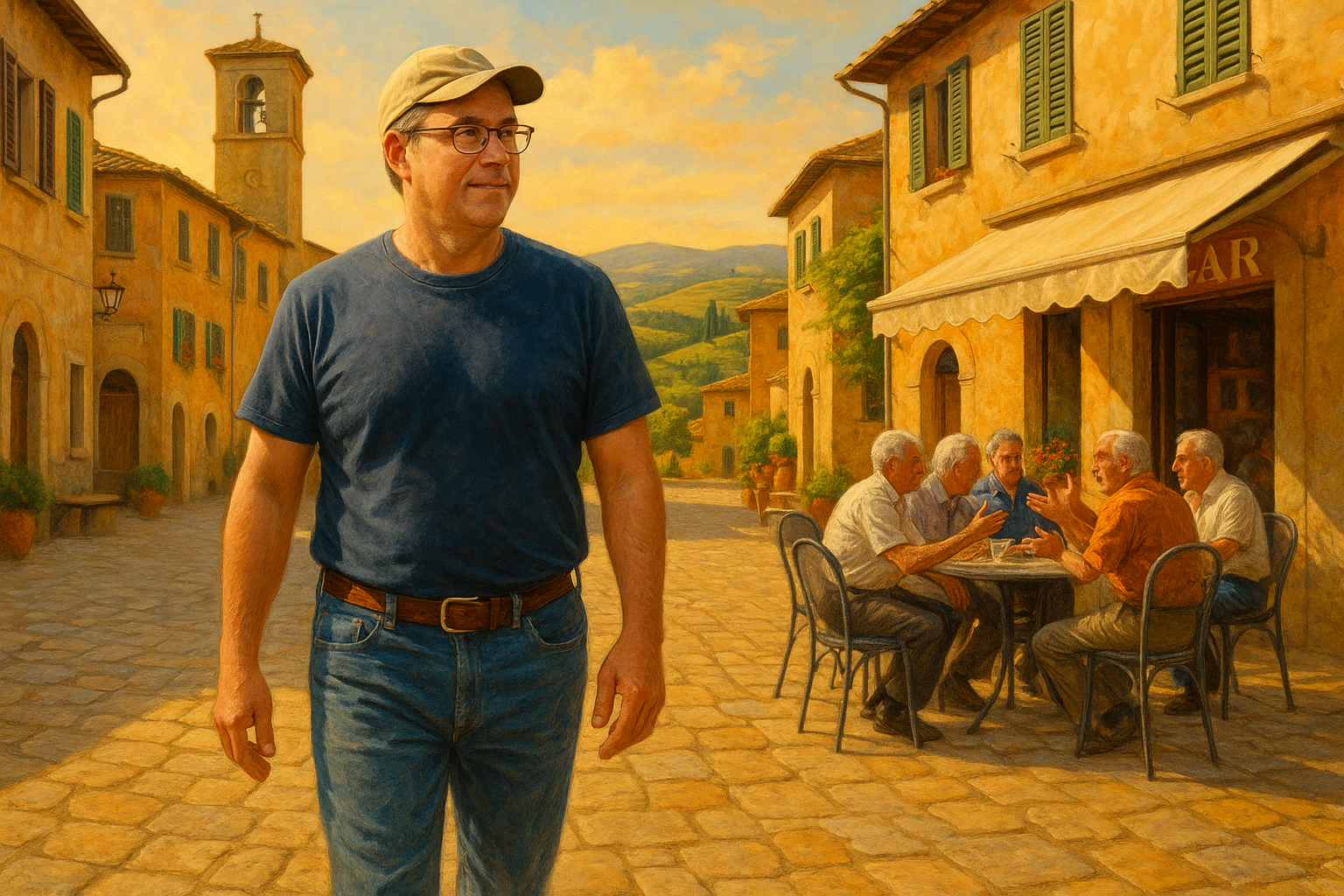
Introduction: More Than a Dream — The Hidden Rhythms of Village Life in Italy
If you’ve ever fantasized about moving to Italy, you’re not alone. The idea of sipping espresso under the morning sun, strolling through cobblestone streets, and buying fresh tomatoes from a local nonna’s garden is the stuff of travel magazines, romantic novels, and Instagram reels. But what happens when the fantasy becomes your everyday life? What is it really like to live in a small Italian village — not as a tourist passing through, but as a resident, a neighbor, a part of the local rhythm?
The truth is both more magical and more complicated than you might imagine.
Small villages in Italy offer a kind of life that feels lost in many parts of the world: slow, relational, rooted in tradition. There’s the comfort of hearing the church bells ring every hour, the familiarity of shopkeepers who know your name, and the deep sense of community that comes from shared festivals, shared food, and shared stories. But there's also bureaucracy, linguistic challenges, cultural expectations, and the occasional loneliness that comes from being an outsider in a place where everybody has known each other since childhood.
Whether you’re considering a move to Italy, planning a long-term stay, or simply fascinated by la vita italiana beyond the tourist trail, this article offers an honest, richly detailed look at life in a small Italian village. We’ll explore the pace, the people, the surprises — and the real adjustments it takes to make it home.
1. What Defines a Small Italian Village?
In Italy, a “village” or paese can mean anything from a hamlet of a few dozen residents to a town of a few thousand. These places often sit on hillsides, nestled between vineyards and olive groves, or tucked away in mountain valleys or along quiet stretches of coastline.
Common features include:
A single piazza (town square) as the beating heart of social life
One or two cafés that double as news hubs
Family-run shops or bakeries
A small post office and municipal building
Weekly markets
Seasonal festivals tied to saints, harvests, or local history
But what defines a village most of all isn’t its size — it’s the tight web of relationships, the slowness of time, and the deep roots of culture that feel present in every stone wall and every “buongiorno” exchanged.
2. The Rhythm of Daily Life
One of the most noticeable things about small village life in Italy is how time flows differently.
🕘 Mornings
Mornings often begin early, especially for the elderly residents who do their shopping or take walks before the sun is too strong. The local bar (which functions more like a café than a pub) fills with quiet chatter, clinking espresso cups, and fresh cornetti (Italian croissants).
🕛 Midday
Shops close around 12:30 or 1:00 PM for la pausa — the long midday break. While some may call it a “siesta,” it’s really more about lunch with family, rest, and resetting before the evening.
🕓 Afternoons
Many businesses reopen around 4:00 PM and remain open until 7:30 or 8:00 PM. This is also when people re-emerge to do errands or take part in the evening passeggiata — the slow, social stroll through the town.
🕗 Evenings
Evenings are sacred. Families eat together, friends gather in the piazza, and the village settles into a calm, communal rhythm. On weekends, the whole town might turn out for a food festival, open-air concert, or religious procession.
3. The Beauty (and Challenge) of Being Known
In a small Italian village, everyone knows who you are — especially if you’re not from there.
This can feel:
✅ Comforting: People greet you by name, notice when you’re sick, and invite you to local events.
✅ Intimidating: You may feel watched or judged, particularly if your lifestyle or appearance doesn’t blend in.
✅ Humbling: You quickly learn the value of humility, patience, and mutual respect.
You can’t disappear into the crowd — and that’s exactly what makes village life so unique.
4. Learning the Language (and the Dialect)
Even if you’ve studied standard Italian, living in a small village will expose you to local dialects and regional expressions that aren’t in your textbook.
Example: In Tuscany, c’è da fare means “there’s something to be done.” In Naples, you might hear uè! as a casual greeting.
Villagers often speak in dialect among themselves and switch to Italian when they speak to you. This means:
Your listening skills will grow — fast.
You'll learn expressions tied to local culture.
You’ll eventually start using some dialect words yourself.
Language in a village isn’t just about vocabulary. It’s about tone, timing, warmth, and knowing when to be formal or familiar.
5. The Food: Simple, Seasonal, Sacred
Forget supermarket meals and food delivery apps. In small villages, food is fresh, local, and deeply tied to the seasons.
Meals are an event.
Tomatoes in July taste different from those in September — and everyone notices.
Recipes are passed down, not written down.
Expect:
Homemade pasta on Sundays
Meals that last hours
Conversations about what’s really the best olive oil or wine in the region
And don’t be surprised if someone drops off a basket of figs at your door “just because.”
6. Festivals, Traditions, and the Power of the Local Calendar
Every village has its own rhythm of feste — festivals that mark everything from the harvest of chestnuts to the feast day of the town’s patron saint.
These events often include:
Processions with music and candles
Traditional dances
Food stalls with local specialties
Fireworks and music that fill the air with joy and nostalgia
As a resident, you’ll be expected to attend. It’s one of the best ways to integrate and understand the soul of the place.
7. The Quiet (and How to Embrace It)
Village life isn’t just slow — it’s quiet.
There are no sirens, no crowds, and not much nightlife beyond a glass of wine in the piazza. This can feel:
Peaceful and healing
Boring, if you’re used to constant activity
Reflective — forcing you to slow down, read more, walk more, be more
Over time, the quiet becomes a kind of music you learn to live by.
8. Integration: Becoming Part of the Community
Integration takes time. Villagers may be warm but cautious with newcomers. They’ll watch how you act before they welcome you fully.
Tips for blending in:
Learn people’s names
Attend local events
Shop locally (don’t drive to the big-box supermarket if you can help it)
Say buongiorno and buonasera to everyone
Don’t try to change things — try to understand them
You earn your place not by claiming it, but by showing up — over time, with kindness and humility.
9. The Not-So-Perfect Side
No lifestyle is perfect, and village life has its frustrations:
🏛️ Bureaucracy: Paperwork can be slow, confusing, and inconsistent.
🚌 Transport: Public transport is often infrequent. A car is essential in many areas.
📶 Internet: Wi-Fi can be unreliable.
💬 Gossip: Small-town gossip can be persistent.
💼 Jobs: Work opportunities may be limited unless you’re remote or self-employed.
But for many, the trade-offs are worth it for the richness of life they gain in return.
10. Real Stories: What Expats Say
“I came for the art history. I stayed for the community.”
– Rachel, American artist in Umbria
“My Italian neighbors helped me harvest my first olive crop. I didn’t even ask — they just showed up.”
– Simon, British retiree in Puglia
“I taught English in the local school, and now I can’t walk to the bakery without ten kids yelling ‘Hello teacher!’”
– Sophie, Canadian in Le Marche
FAQs
Q: Can I live in a small village without speaking Italian?
A: Not easily. Basic Italian is essential, and deeper connections require more fluency. Villagers often don’t speak English.
Q: Are small villages expensive to live in?
A: Often, they’re more affordable than cities — especially when renting or buying property. But some costs (like heating or car maintenance) can add up.
Q: Is it easy to make friends?
A: It takes time. Friendship in Italy is built on trust and regular presence, not quick socializing. Consistency is key.
Q: Are there activities for young people?
A: Options may be limited. Many young adults leave for cities. Still, some villages have local sports clubs, youth centers, or festivals that bring younger people together.
Q: What about healthcare access?
A: Italy has excellent public healthcare, but small villages may have limited facilities. Major services are usually in nearby towns.
Q: Can I work remotely from a village?
A: Yes, many do — but double-check Wi-Fi speeds and cell coverage first.
Q: What’s the best way to find a village to live in?
A: Visit several, stay for a few weeks, talk to locals, and see what rhythm feels right. Each village has a different character.
Ready to Learn Italian and Make Your Dream of Village Life Come True?
At Polyglottist Language Academy, we offer more than just grammar lessons — we offer cultural immersion, practical vocabulary, and conversation practice that prepares you to live real Italian life.
✅ Learn how to greet your neighbors, navigate the market, and express yourself naturally
✅ Classes for beginners through advanced learners
✅ Small group or private options — online or in-person
✅ Experienced instructors who bring Italian culture to life
🧳 Whether you're dreaming of Tuscany, Abruzzo, or a hilltop village in Sicily, learning Italian is the first step to belonging.
👉 Join us today and start building the language skills you’ll need to thrive in your new home.
Explore More on the Blog:
From Ciao To Arrivederci: How To Master Italian Greetings And Goodbyes
Using “Piacere” Correctly In Italian (It’s Not Just ‘To Like’)
Aperitivo, Passeggiata & More: Everyday Italian Culture Through Language
From Opera To Espresso: Explore Italian With Classes In Oakland
Grammar Hacks To Learn Italian Faster (With Fewer Flashcards)
How To Ask Questions In Italian: Grammar, Tone, And Intuition
La dolce vita isn’t just a fantasy — it’s a way of life. And it begins with language. Let us help you get there.