
Why Chinese People Don’t Always Argue in Public—and What That Means
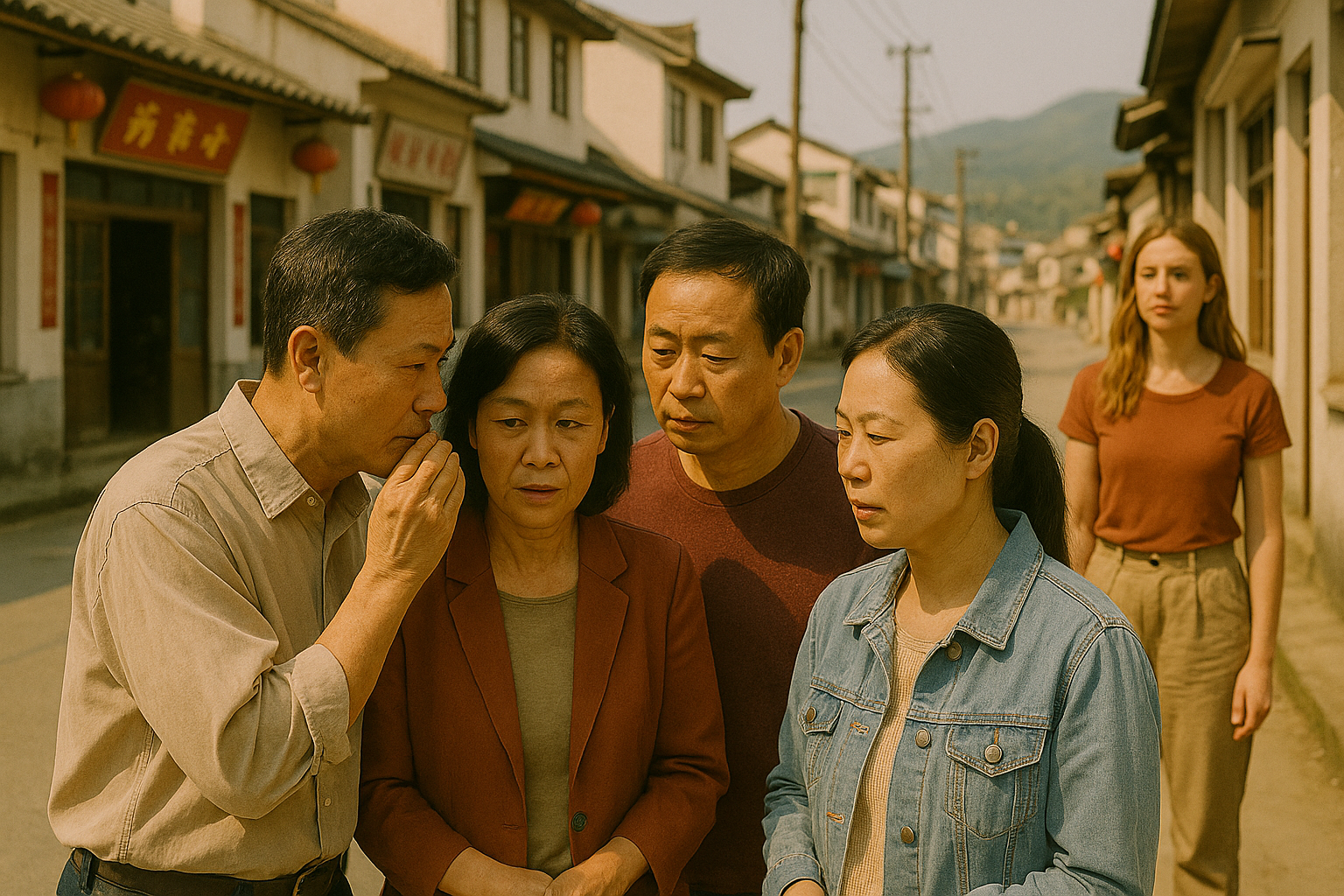
Silence, Smiles, and Side-Stepping: What Chinese Culture Teaches Us About Conflict
If you’ve spent time in China or interacted with Mandarin speakers in personal or professional settings, you may have noticed something that feels… curious. Conversations can get intense, but voices rarely raise. Disagreements often go unspoken. And in group settings, conflict—if it exists—seems to evaporate before it ever becomes visible.
For many Americans, this can feel confusing or even frustrating. In the U.S., being open, assertive, and “getting things off your chest” is often considered honest and healthy. But in Chinese culture, arguing in public or openly confronting someone—even over a legitimate issue—is often viewed as disruptive, impolite, or even shameful.
Why the difference?
To understand this, we have to step into a world where maintaining harmony (和谐 / héxié), protecting face (面子 / miànzi), and managing relationships indirectly often take priority over individual expression or emotional release.
In this article, we’ll explore why Chinese people tend to avoid public confrontation, what this reveals about Chinese values, and how understanding this can help you better navigate conversations, partnerships, and friendships across cultures.
The Cultural Logic Behind Avoiding Public Arguments
🌿 1. Face (面子 / miànzi) Is Everything
“Face” in Chinese culture refers to a person’s social standing, dignity, and sense of respect from others. Causing someone to “lose face” by confronting or embarrassing them in public is considered a major social faux pas.
Even if someone is clearly at fault, calling them out publicly can be seen as aggressive and disrespectful—not just to them, but to the group as a whole.
▶ The takeaway: Preserving face matters more than “being right” in the moment.
🤝 2. Harmony Over Honesty
In many Western cultures, especially in the U.S., honesty is prized—even when it’s uncomfortable. But in China, group harmony often takes precedence over individual opinions.
This doesn’t mean Chinese people never disagree—it just means they do so in more subtle ways: through indirect speech, nonverbal cues, or private conversations.
▶ The takeaway: A smile doesn’t always mean agreement—it can be a social signal of peace, not consent.
🚫 3. Public Confrontation Is Socially Risky
Arguing in public—whether it’s a heated debate or a mild disagreement—can be seen as a breakdown of self-control. It not only affects the people involved but makes bystanders uncomfortable, which is frowned upon.
▶ The takeaway: Emotional restraint is considered mature, not repressed. Losing your temper in public can damage your credibility.
👂 4. Disagreement Happens—but Behind Closed Doors
While public arguments are avoided, that doesn’t mean people suppress their thoughts entirely. It’s more common to address issues one-on-one, in private, and with softened language.
Work disputes might be brought up through a third party. Family concerns might be expressed through suggestion rather than confrontation.
▶ The takeaway: If you need to disagree, do it privately and respectfully—and often, indirectly.
🧭 5. Words Are Chosen Carefully
Chinese speakers often use euphemisms, passive voice, or even silence to navigate disagreement. You might hear phrases like:
“Maybe we can consider another way…”
“This might be inconvenient right now…”
“I’m not sure this would be the best timing…”
What sounds vague to an American ear is often a polite way of signaling objection.
▶ The takeaway: Listening between the lines is just as important as listening to the words.
When Chinese People Do Argue Publicly
Yes, public arguments can happen in China—but they’re relatively rare and often occur between people in close relationships (like spouses or parents and children), or in lower-stakes situations (e.g., haggling in a market or dealing with bureaucracy).
In those moments, you might hear raised voices—but it’s still different from Western-style confrontation. The goal is often to vent frustration rather than resolve deep conflict. Even then, there’s an effort to “reset” quickly afterward.
FAQs: Understanding Conflict in Chinese Culture
❓ Is it rude to disagree with a Chinese person?
Not at all—but how you do it matters. Be respectful, avoid public embarrassment, and try to frame your disagreement as a shared problem rather than a personal critique.
❓ Why do Chinese colleagues or friends avoid saying “no” directly?
Direct refusal can cause loss of face. Instead, you’ll hear soft rejections like “maybe later,” “not convenient,” or “let me think about it”—all polite ways to say no.
❓ How can I bring up an issue without causing offense?
Use indirect language, ask for opinions, and offer suggestions rather than ultimatums. Building trust first is key.
❓ What should I do if someone disagrees with me indirectly?
Take it as a signal to pause, listen, and adjust. Don’t force confrontation—invite dialogue.
❓ Does this mean Chinese people don’t express emotions?
Not at all. Emotions are expressed—just differently. Watch for tone, body language, and timing. A quiet moment may carry more weight than loud words.
Want to Understand Chinese Culture Beyond the Textbook?
At Polyglottist Language Academy, we go beyond teaching grammar and vocabulary. Our Mandarin classes help you develop true cultural fluency—from navigating subtle social cues to understanding the “unspoken” in communication.
📍Join our in-person or online classes in Berkeley, San Francisco, Oakland, or San Jose, and get the tools you need to connect across cultures.
🌏 Ready to learn Mandarin and how to think like a native speaker?
👉 Sign up today and discover a smarter, deeper way to learn Chinese.
More from the Blog to Help You Connect Deeper:
What To Expect In Your First Adult Mandarin Class (And Why You’ll Love It)
How Mandarin Can Boost Your Career In The Bay Area Tech And Business Scene
Why Learning Mandarin As An Adult Is More Doable Than You Think
From Dumplings To Dialogues: How To Speak Mandarin At Bay Area Restaurants
Best Mandarin Classes For Busy Professionals In The Bay Area