
Surviving Chinese Airports and Train Stations Using Mandarin
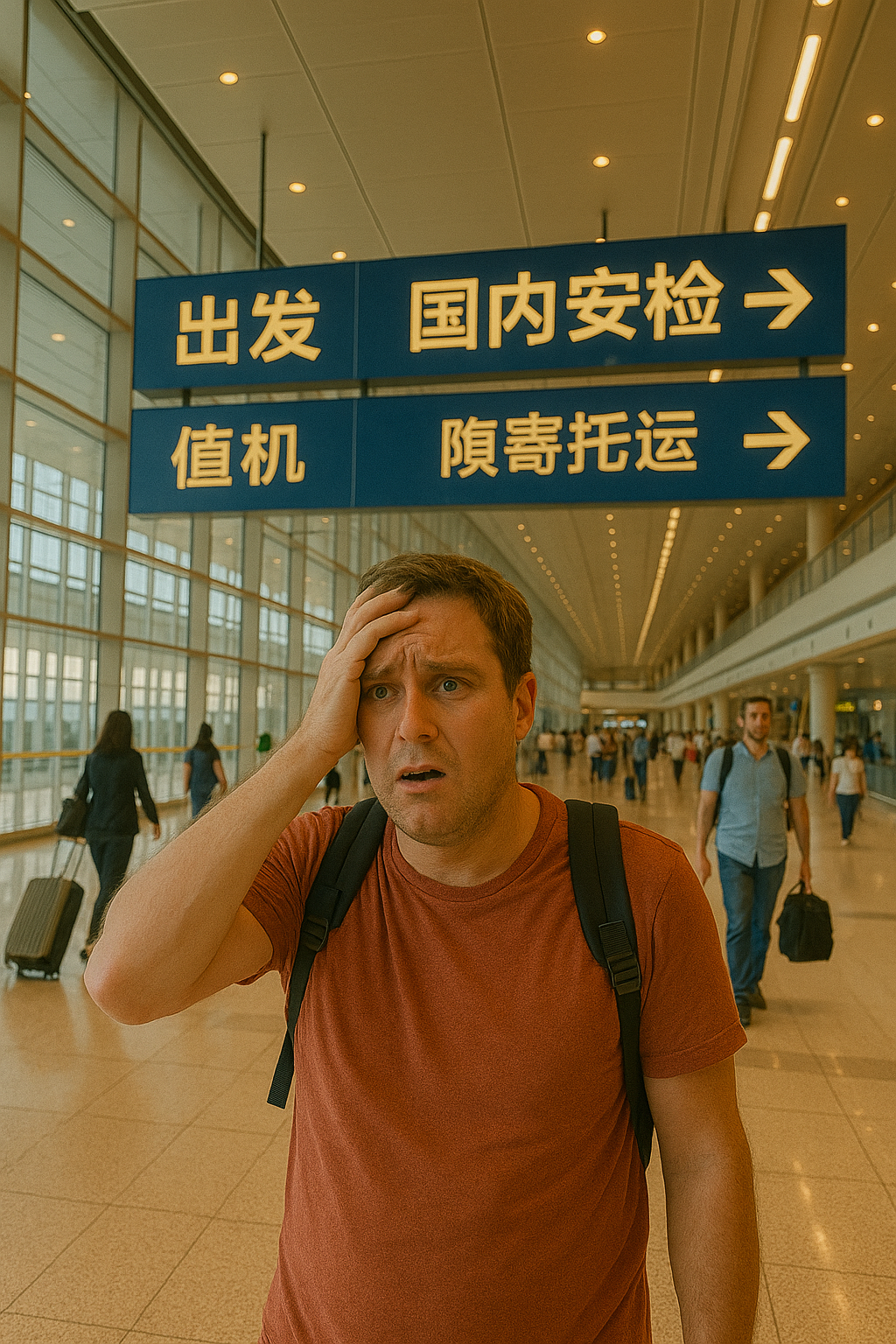
You’ve just landed in China. The airport is bustling. Signs are flashing. Announcements echo through loudspeakers. You need to find baggage claim, exchange money, grab a taxi—or board a high-speed train to your next city. One problem: everything is in Mandarin, and your phrasebook is buried at the bottom of your suitcase.
Welcome to China’s fast-paced transportation world, where airports and train stations can be overwhelming for first-time travelers. Whether you’re flying into Beijing, navigating the mega-station in Shanghai, or catching a bullet train from Xi’an to Chengdu, knowing just a little Mandarin can go a long way.
In this guide, we’ll show you how to survive Chinese airports and train stations using practical Mandarin phrasesand cultural tips. These simple language tools will help you ask for directions, read essential signs, buy tickets, find your gate or platform, and avoid common pitfalls—all while impressing locals with your effort.
If you're planning to travel in China (or even just thinking about it), mastering a few key Mandarin phrases and understanding how the system works will turn travel stress into travel success.
Why You Need Mandarin in Transit (Even If You Have Google Translate)
While major airports and train stations in China do have English signage, don’t count on it to be consistent or detailed. Smaller stations may have minimal English. And staff? Friendly—but not always fluent.
Using basic Mandarin phrases can help you:
Navigate signage more easily
Ask for help when lost or confused
Buy tickets when machines aren’t working
Understand schedule announcements
Handle delays or last-minute changes
Plus, using the local language is one of the best ways to connect with people and travel with confidence.
Mandarin Phrases to Master for Airports and Train Stations
📍Getting Around
请问,出口在哪儿?(Qǐngwèn, chūkǒu zài nǎr?)
Excuse me, where is the exit?卫生间在哪里?(Wèishēngjiān zài nǎlǐ?)
Where is the restroom?我怎么去登机口?(Wǒ zěnme qù dēngjīkǒu?)
How do I get to the gate?火车站在这附近吗?(Huǒchēzhàn zài zhè fùjìn ma?)
Is the train station nearby?
🎫 Buying Tickets & Asking About Times
我要一张去北京的票。(Wǒ yào yì zhāng qù Běijīng de piào.)
I want one ticket to Beijing.几点出发?(Jǐ diǎn chūfā?)
What time does it leave?这班飞机晚点了吗?(Zhè bān fēijī wǎndiǎn le ma?)
Is this flight delayed?我应该在哪个站下车?(Wǒ yīnggāi zài nǎ ge zhàn xiàchē?)
Where should I get off?
🧳 Dealing with Baggage and Security
我的行李在哪儿?(Wǒ de xíngli zài nǎr?)
Where is my luggage?我找不到我的登机牌。(Wǒ zhǎo bú dào wǒ de dēngjīpái.)
I can’t find my boarding pass.我要托运行李。(Wǒ yào tuōyùn xíngli.)
I want to check my luggage.这是我的护照。(Zhè shì wǒ de hùzhào.)
This is my passport.
🚉 Train Station-Specific Terms
高铁 (gāotiě) – High-speed rail
检票口 (jiǎnpiàokǒu) – Ticket check / gate
候车室 (hòuchēshì) – Waiting area
站台 (zhàntái) – Platform
软座 / 硬座 (ruǎnzuò / yìngzuò) – Soft seat / hard seat
动车 (dòngchē) – Bullet train (D-series)
一等座 / 二等座 (yī děng zuò / èr děng zuò) – First class / second class
Smart Tips for First-Time Travelers
Arrive early. Train stations in China are like airports—huge, crowded, and security-heavy. Get there at least 45–60 minutes before departure.
Bring your passport. You’ll need it to buy tickets and board high-speed trains.
Download offline maps and phrases. Google Maps and Google Translate may not work reliably in China—apps like Pleco or Baidu Maps are more dependable.
Know your train number or flight number. It’s the fastest way to get help or locate your gate.
Be prepared for crowds. Don’t take it personally if people move fast or bump into you—it’s all part of the flow.
FAQs
Q: Can I survive Chinese train stations with just English?
A: You might get by in major cities, but using basic Mandarin will significantly reduce stress and confusion—especially in smaller cities or during busy travel times.
Q: Do ticket machines have an English option?
A: Some do, but not all. And if they’re out of service or if your passport doesn’t scan, you’ll need to speak to a staff member—Mandarin helps here.
Q: Is it safe to travel alone by train in China?
A: Very much so. China’s high-speed rail system is modern, efficient, and well-policed. Just keep your valuables secure and your ticket handy.
Q: What’s the difference between hard seat and soft seat?
A: Soft seats are more comfortable and less crowded—better for long trips. Hard seats are cheaper and more basic. First-time travelers often prefer soft or second-class seats on high-speed trains.
Learn Mandarin and Navigate China Like a Local
At Polyglottist Language Academy, we prepare students not just to pass a test, but to thrive in real-life situations—like airports, train stations, markets, and beyond. Our Mandarin classes for adults and teens are designed to help you speak confidently, travel smoothly, and experience Chinese culture firsthand.
We offer small group and private Mandarin lessons—in person and online—to students across San Francisco, Oakland, Berkeley, San Jose, Sacramento, Santa Rosa, Reno, and Portland.
👉 Join a Mandarin class today and start your journey toward confident travel and cultural fluency.
You Might Also Like:
What To Expect In Your First Adult Mandarin Class (And Why You’ll Love It)
How Mandarin Can Boost Your Career In The Bay Area Tech And Business Scene
Why Learning Mandarin As An Adult Is More Doable Than You Think
From Dumplings To Dialogues: How To Speak Mandarin At Bay Area Restaurants
Best Mandarin Classes For Busy Professionals In The Bay Area