
Why Learning Mandarin Makes Travel to Asia So Much More Rewarding
🌏 Introduction: Go Beyond the Tourist Experience
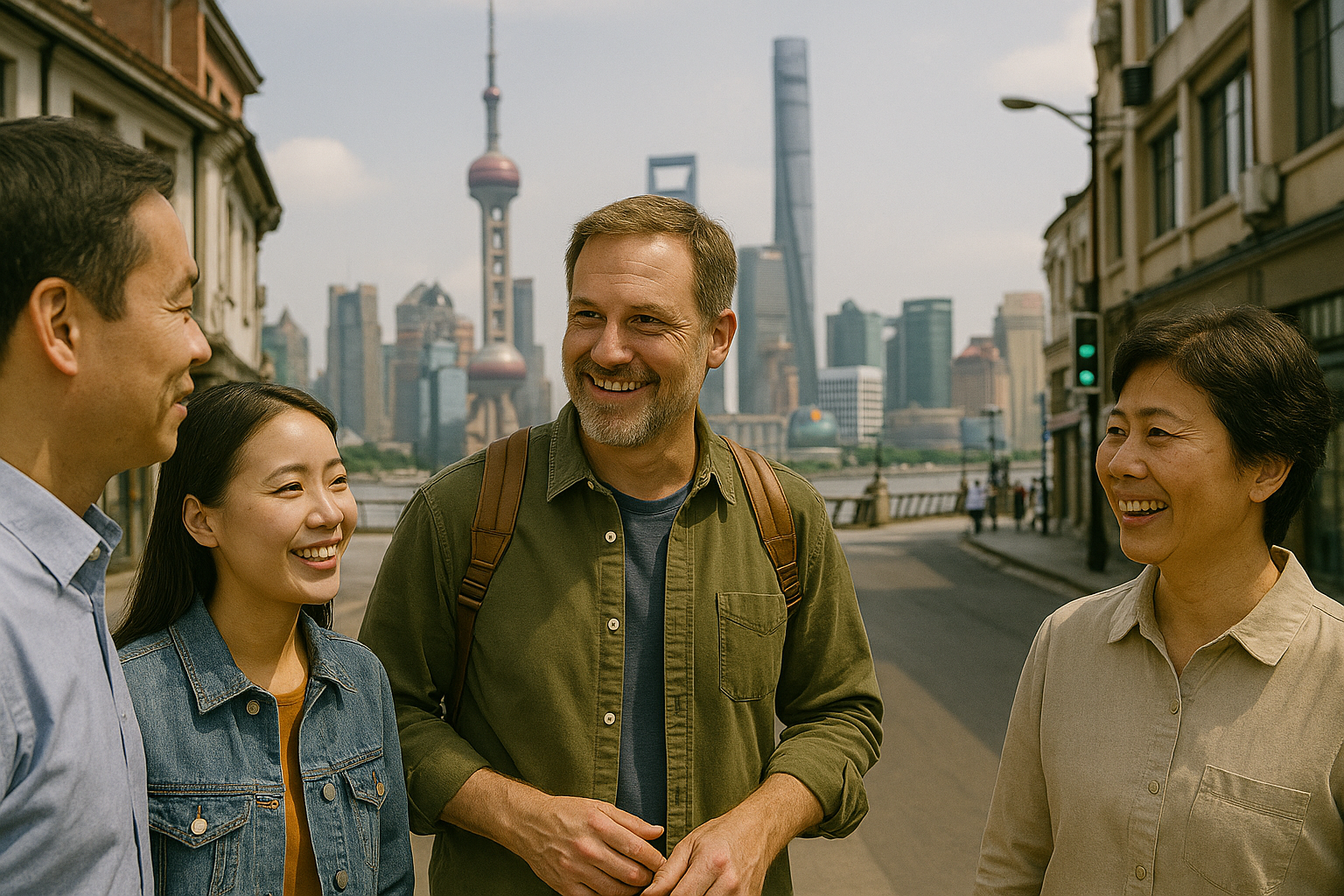
Asia is vast, beautiful, and endlessly diverse. From the neon-lit streets of Shanghai to the tranquil rice terraces of rural China, from ancient temples in Taiwan to bustling night markets in Singapore—there’s no shortage of jaw-dropping destinations to explore. But as many seasoned travelers will tell you, there's a huge difference between visiting Asia and truly experiencing it.
That difference often comes down to language.
Mandarin Chinese is spoken by over a billion people and is an official or widely used language in mainland China, Taiwan, Singapore, and parts of Malaysia and beyond. It’s also the gateway to centuries of history, philosophy, cuisine, and daily life across East Asia. Learning even basic Mandarin before your trip doesn’t just help with logistics—it transforms how you connect with people, understand what’s happening around you, and experience the richness of local culture.
Whether you're planning your first visit to Asia or returning to see it with fresh eyes, having some Mandarin in your toolkit will reward you in ways Google Translate never can. In this article, we’ll explore the top reasons why Mandarin makes Asia feel more welcoming, navigable, and unforgettable—and how you can start preparing today.
🧭 1. Travel Beyond the Tourist Zones
In major cities like Beijing or Taipei, you'll find English on signs and menus—but step just a few blocks away from the beaten path, and that changes fast. In more local restaurants, traditional markets, rural areas, and even some train stations, English becomes scarce.
What changes with Mandarin: You can order confidently, ask questions, read signs, and navigate cities or small towns independently. You’ll access places other tourists miss and have the confidence to say “yes” to new experiences.
🗣 2. Real Conversations with Real People
Many travelers dream of connecting with locals—but without a shared language, those connections are often reduced to smiles and gestures. Even basic Mandarin helps bridge that gap.
What changes with Mandarin: You can ask a taxi driver about their city, joke with a shop owner, or thank a street food vendor in their own language. It’s not about perfection—it’s about effort and respect. And people notice.
🧧 3. Mandarin Gives You Cultural Access
Language and culture go hand in hand. Mandarin expressions are full of references to Confucian values, idioms, social hierarchy, and politeness strategies that shape everyday life.
What changes with Mandarin: You gain insight into how people think, relate, and live. You start noticing what others miss—like why certain words are used during Lunar New Year, or how different greetings reflect age and respect.
🛫 4. Mandarin Helps in Multiple Countries
Unlike languages confined to one country, Mandarin is a regional powerhouse. It’s used officially in China, Taiwan, and Singapore, and widely spoken in cities across Southeast Asia due to Chinese diaspora communities.
What changes with Mandarin: One language supports travel in multiple countries, making your study time go further. You’ll use Mandarin not just once, but again and again across borders.
🍜 5. Foodie Adventures Become Easier (and Tastier)
Asia is a food lover’s paradise. But without Mandarin, ordering off a local-only menu or asking about ingredients can feel like a gamble.
What changes with Mandarin: You can read menus, ask for your favorite dish, or say “no cilantro” or “less spice” without a panic attack. You also get to understand what you’re eating, not just point and hope.
🚶♀️ 6. You’ll Be Treated Differently—in a Good Way
Making the effort to speak Mandarin shows a genuine desire to connect. Even if your tones are off or your vocabulary is limited, locals typically respond with kindness, encouragement, and sometimes even surprise.
What changes with Mandarin: People open up. They may offer recommendations, help you avoid tourist traps, or simply smile more warmly. You become less of a stranger and more of a guest.
📱 7. It Saves Time and Stress
Sure, translation apps can help—but they’re not reliable for everything, and they break down fast when the signal is weak or when nuance matters.
What changes with Mandarin: You’re more self-reliant. You don’t have to fumble with apps to ask for directions or check into a hotel. You can act, not pause.
🧠 8. You’ll Come Home Changed
Learning Mandarin doesn’t just help during the trip. It gives you a deeper appreciation of Chinese thought, history, and worldview. Many travelers return with more than just photos—they come back with a new perspective.
What changes with Mandarin: You carry part of the culture home with you. Mandarin deepens your memories and expands your understanding long after the trip ends.
📚 FAQs: Learning Mandarin for Travel in Asia
❓Do I need to be fluent to benefit?
Not at all. Just 20–30 essential phrases can significantly improve your travel experience. Even beginner-level Mandarin goes a long way.
❓Is Mandarin the only useful language in Asia?
Asia is diverse, but Mandarin covers a huge region. It’s especially useful in China, Taiwan, and Singapore, and in Chinese-speaking communities throughout Southeast Asia.
❓How much time should I spend learning before a trip?
Even 3–4 weeks of focused study with the right material can prepare you for essential travel situations.
❓What’s the best way to prepare?
Take a travel-focused Mandarin class. Practice with real-life roleplays, apps with native pronunciation, and by listening to Mandarin media.
❓Can locals understand me even if I have an accent?
Yes! Mandarin speakers are often thrilled to hear foreigners try—even imperfectly. Clarity and effort matter more than perfection.
❓Are Mandarin tones really that hard?
They take getting used to, but with regular listening and speaking practice, most beginners improve quickly.
📣 Start Your Mandarin Journey with Polyglottist Language Academy
At Polyglottist Language Academy, we specialize in helping travelers and curious learners gain the tools they need to experience Asia more deeply. Our small-group Mandarin classes (just 3–6 students!) focus on practical, real-world Mandarin—perfect for travel, conversation, and cultural connection.
Whether you're heading to Beijing, Taipei, or Singapore, our experienced instructors will prepare you to communicate confidently and respectfully.
📍 We offer in-person classes in Berkeley and online options for learners across Oakland, San Francisco, San Jose, and beyond.
👉 Sign up now and let Mandarin be your passport to deeper travel experiences. Click here to enroll!
📖 More Mandarin Blog Posts You’ll Love:
What To Expect In Your First Adult Mandarin Class (And Why You’ll Love It)
How Mandarin Can Boost Your Career In The Bay Area Tech And Business Scene
Why Learning Mandarin As An Adult Is More Doable Than You Think
From Dumplings To Dialogues: How To Speak Mandarin At Bay Area Restaurants
Best Mandarin Classes For Busy Professionals In The Bay Area
Managing Language Anxiety: Psychological Strategies For Relaxation And Focus
Mastering Politeness Levels And Formality In Different Cultures
Building A Daily Language Routine: How Consistency Drives Fluency
A little Mandarin makes a big difference. Let Polyglottist Language Academy help you travel farther, connect deeper, and return home with more than souvenirs.
🀄🌏📸