
What Tea Means in Chinese Culture (It’s More Than Just a Drink)
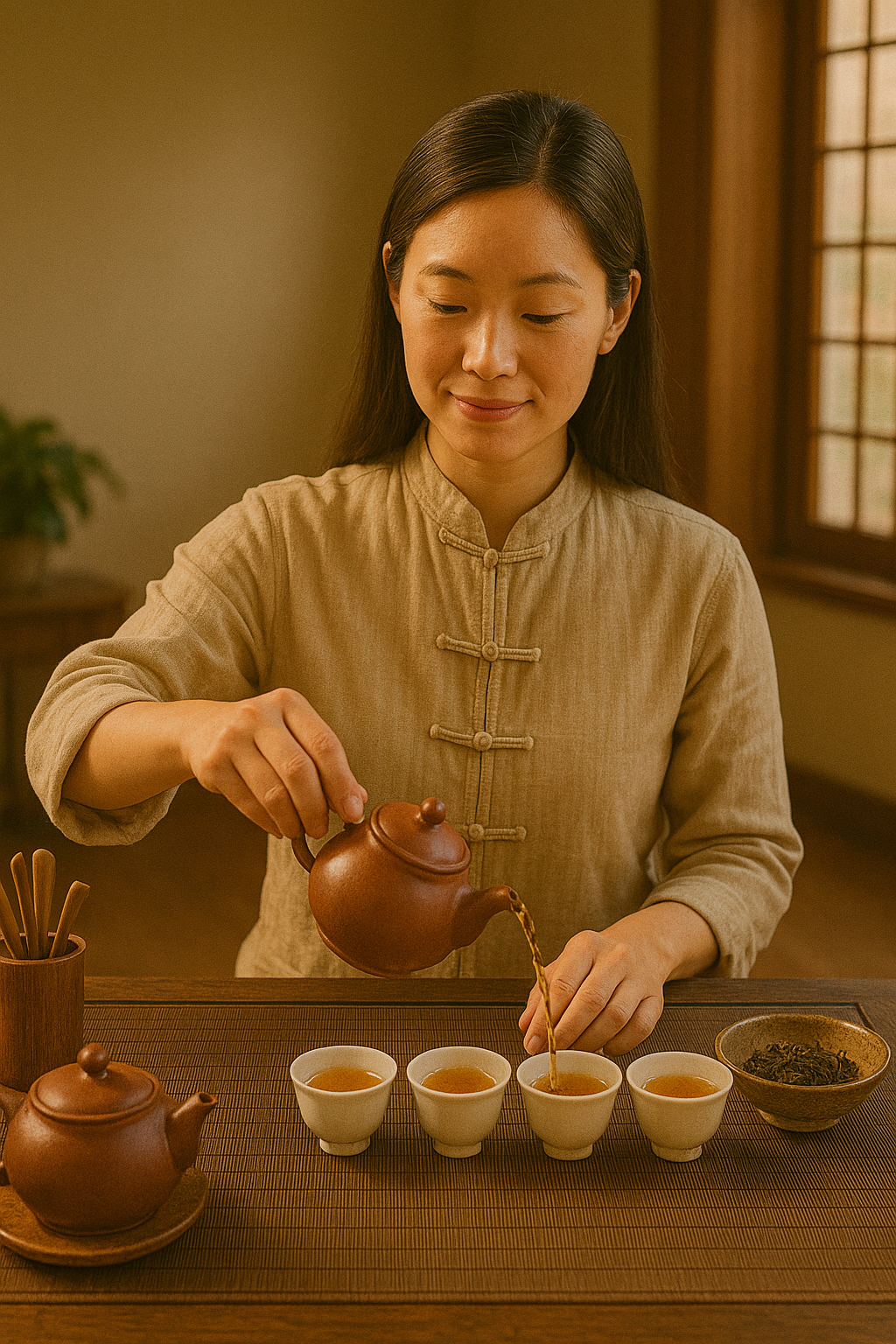
Exploring the deep roots, rituals, and language hidden in every cup of Chinese tea
More Than a Beverage: The Soul of Chinese Tea
You might think of tea as something you sip casually at your desk or order alongside dim sum. But in China, tea is so much more than a warm drink. It’s a philosophy. A ceremony. A connection to history, family, and nature.
From the misty tea terraces of Fujian to a quiet pot of pu-erh shared in a Beijing courtyard, tea in Chinese culture represents harmony, respect, and mindfulness. It’s infused into social rituals, family traditions, and even political diplomacy. It accompanies both everyday life and life’s most important moments—from weddings and business negotiations to spiritual reflection and poetry writing.
For language learners and travelers alike, understanding tea culture unlocks a deeper view of how Chinese people relate to time, tradition, and one another. Even the way tea is poured and received reflects unspoken values like humility, generosity, and attentiveness.
So what does tea really mean in Chinese culture? And what can a Mandarin student learn from a teacup? In this article, we’ll explore the history, symbolism, and cultural significance of tea in China—and why this ancient drink still speaks volumes today.
1. A History Thousands of Years in the Making
Tea has been part of Chinese life for more than 4,000 years. According to legend, it was discovered by Emperor Shen Nong, who accidentally brewed some tea leaves while boiling water. Over centuries, tea became central to Chinese medicine, cuisine, art, and philosophy.
During the Tang and Song dynasties, tea drinking was elevated into an art form. The Cha Dao (茶道), or “Way of Tea,” emphasized balance between the person, the tea, the utensils, and the setting. Just like Japanese tea ceremony (chanoyu), Chinese tea preparation became a meditative act—a way of being fully present in the moment.
2. Tea as a Symbol of Respect and Connection
In Chinese society, offering someone tea is an act of respect. It’s how elders are honored, how apologies are expressed, and how strangers are welcomed. In fact, one of the most common customs at Chinese weddings is the tea ceremony, where the couple serves tea to their parents and in-laws to show gratitude.
Even in business settings, serving tea at a meeting is a sign of goodwill. It creates a space for quiet reflection and mutual understanding—something especially valuable in Chinese communication, where indirectness and subtle cues often carry more weight than words.
3. A Language of Gestures and Meaning
Drinking tea in China isn’t just about flavor. It’s about how it’s served, who pours it, and how you respond. In some regions, for instance, when someone refills your cup, it’s polite to tap the table with your index and middle fingers as a gesture of thanks.
This simple act has historical roots dating back to the Qing Dynasty, when Emperor Qianlong would disguise himself and travel among the people. His servants, not wanting to bow and reveal his identity, would tap their fingers as a secret sign of respect. Today, it’s a small but elegant expression of gratitude—just one of many cultural layers in tea tradition.
4. Types of Chinese Tea and What They Represent
Each type of Chinese tea reflects a different mood, region, or purpose:
Green Tea (绿茶) – Fresh, light, often associated with youth and clarity.
Oolong Tea (乌龙茶) – Rich, complex, and often reserved for slow, thoughtful drinking.
Pu-erh Tea (普洱茶) – Earthy, aged, and prized for its digestive and calming properties.
White Tea (白茶) – Delicate and minimal, often enjoyed for its purity and health benefits.
Black Tea (红茶) – Bold and energizing, commonly used in social or professional settings.
Understanding the characteristics and uses of each tea helps language learners connect vocabulary and cultural context—and makes any trip to a Chinese teahouse more meaningful.
5. What Tea Teaches Language Learners
Studying Chinese tea culture offers surprising insights for Mandarin learners. It helps develop your understanding of key cultural values like patience, humility, and formality. You’ll also encounter beautiful idioms and expressions centered around tea, such as:
以茶待客 (yǐ chá dài kè) – “Treat guests with tea,” meaning to welcome with respect.
茶余饭后 (chá yú fàn hòu) – “After tea and meals,” referring to casual conversations or leisure moments.
一壶清茶 (yī hú qīng chá) – “A pot of clear tea,” symbolizing simplicity and honesty.
Whether you’re practicing vocabulary or understanding the rhythm of Chinese life, tea is the perfect teacher.
FAQs About Tea and Chinese Culture
Q: What’s the difference between Chinese and Western tea culture?
A: Chinese tea culture focuses more on the process and meaning—how tea is brewed, served, and shared. It’s often less about milk or sugar and more about purity, aroma, and presence.
Q: Is there a traditional Chinese tea ceremony?
A: Yes. The gongfu tea ceremony (工夫茶) is one example, involving multiple steps and specialized tools. It emphasizes precision, patience, and appreciation.
Q: Can I experience tea culture in China as a visitor?
A: Absolutely. Many cities have traditional teahouses or tea museums. Participating in a tea ceremony is a great way to experience Chinese hospitality and history.
Q: Are there specific teas for certain occasions?
A: Yes. For example, pu-erh is often served after meals, while oolong is ideal for long conversations. At weddings, jasmine or lotus teas might be chosen for their floral symbolism.
Q: What does tea say about someone in Chinese culture?
A: Someone who drinks tea regularly may be seen as calm, thoughtful, and refined. How you serve tea can also signal politeness, respect, or even apology.
Q: Is it rude to refuse tea in China?
A: It can be considered impolite, especially in formal settings. If you must decline, do so with a smile and a gentle explanation.
Q: What are some Mandarin words I should know related to tea?
A: 茶 (chá – tea), 茶叶 (chá yè – tea leaves), 茶壶 (chá hú – teapot), 喝茶 (hē chá – to drink tea), 泡茶 (pào chá – to brew tea).
Ready to Brew a New Passion?
At Polyglottist Language Academy, we believe language learning should connect you to the heart of culture. That’s why our Mandarin classes go beyond grammar to include real-world conversation, cultural insights, and meaningful context—like the deep traditions behind a simple cup of tea.
Whether you're just starting or looking to refine your Mandarin skills, we offer small group and private classes tailored to your level. Join us to experience the beauty of the Chinese language—and the traditions that make it come alive.
👨🏫 Expert teachers with real cultural knowledge
📚 Beginner to advanced Mandarin levels
🌐 Online or in-person options in the Bay Area
🧧 Small class sizes and flexible scheduling
👉 Click here to explore our Mandarin classes and sign up today!
More Articles to Sip and Savor
Interested in more insights into Chinese culture and language? Explore these articles next:
What To Expect In Your First Adult Mandarin Class (And Why You’ll Love It)
How Mandarin Can Boost Your Career In The Bay Area Tech And Business Scene
Why Learning Mandarin As An Adult Is More Doable Than You Think
From Dumplings To Dialogues: How To Speak Mandarin At Bay Area Restaurants
Best Mandarin Classes For Busy Professionals In The Bay Area