
A Beginner’s Guide to Russian Lit: Start Here, Not with War and Peace
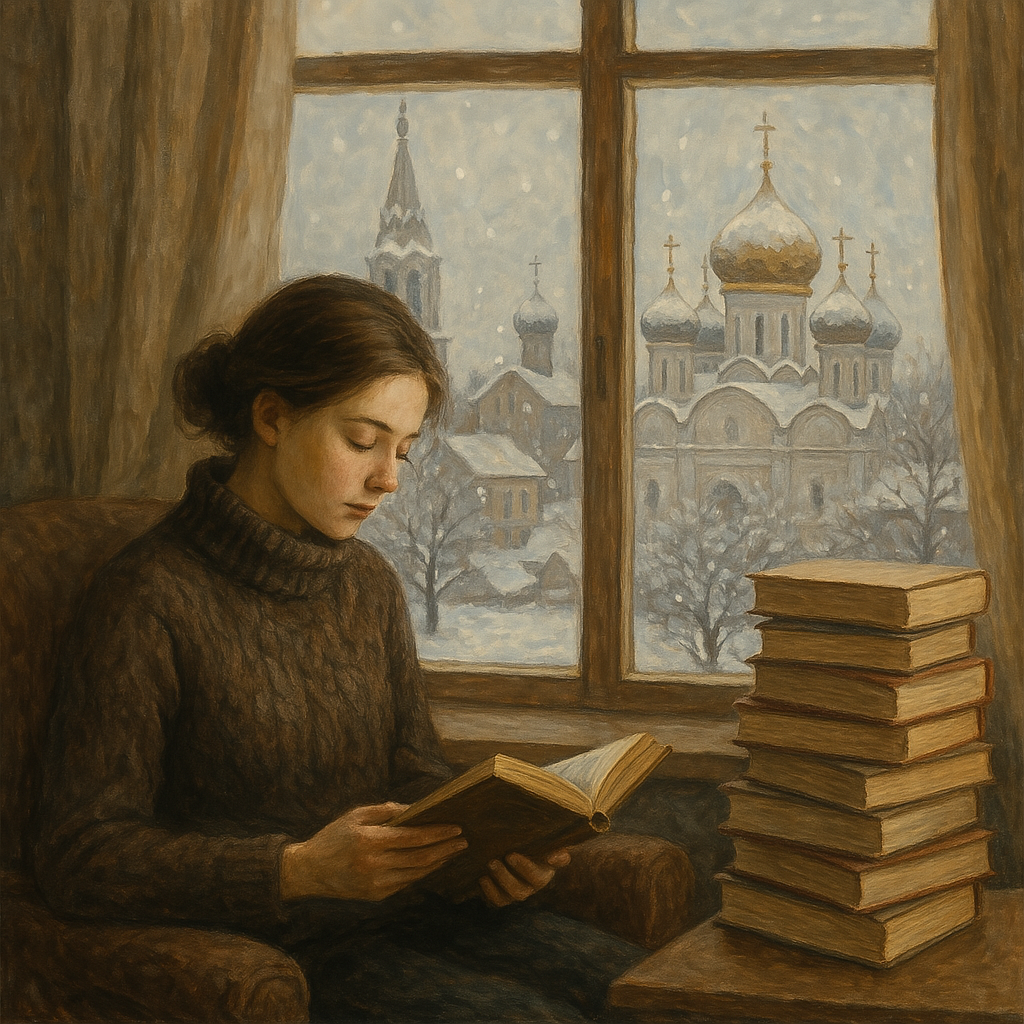
If you've ever been curious about Russian literature but felt intimidated by 1,200-page tomes, complex philosophical themes, and names with far too many syllables, you’re not alone. Many would-be readers give up before they even start, thinking they have to begin with Tolstoy’s War and Peace or Dostoevsky’s The Brothers Karamazov—both masterpieces, no doubt, but not exactly beginner-friendly.
The truth is, diving into Russian literature doesn’t have to be overwhelming or reserved for literature professors. In fact, some of the most powerful, moving, and entertaining works of Russian fiction are short, witty, and highly readable. They might come from the same brilliant authors who wrote the epics—but they’re far more accessible and just as impactful.
This article is designed for people who want to get into Russian literature without feeling like they’ve signed up for a college seminar. Maybe you’ve always been fascinated by Russia’s cultural contributions. Maybe you’re learning Russian and want to explore the language through literature. Or maybe you just want to read something meaningful, something different—something that’s stood the test of time.
Russian literature has long been seen as a gateway to the Russian soul. Its authors—Pushkin, Gogol, Chekhov, Tolstoy, Dostoevsky, Bulgakov—wrestled with universal questions of love, justice, identity, morality, and freedom. These aren’t just stories; they’re deep reflections on the human condition, packed with drama, wit, and insight. But the trick to enjoying them is knowing where to start.
That’s what this guide is all about. We'll introduce you to shorter, less intimidating works by major Russian authors—stories that you can actually finish in a weekend (or even an afternoon). You’ll come away with a real sense of what Russian literature offers, without drowning in footnotes or nineteenth-century aristocratic politics.
And if you ever want to go deeper—perhaps even read these classics in their original Russian—we’ve got you covered there, too. At Polyglottist Language Academy, we offer Russian classes that help students unlock the language of Tolstoy and Turgenev in a supportive, beginner-friendly environment.
So grab a cup of tea (or vodka, no judgment), and let’s begin your journey through Russian literature—not at the battlefield of War and Peace, but at a gentler, more welcoming starting point.
Why War and Peace Isn’t the Best Starting Point
Let’s be clear: War and Peace is one of the greatest novels ever written. Its scope, depth, and ambition are unmatched. It explores the chaos of war, the intricacies of Russian aristocratic life, and the very nature of history and free will. But for all its brilliance, it’s not an easy read — especially for those new to Russian literature.
Here’s why War and Peace might not be the best place to start:
1. It’s Enormous
With over 1,200 pages and hundreds of characters, it’s a serious commitment. Many readers start strong but lose momentum halfway through. It can take weeks or even months to finish.
2. It Requires Historical Context
To fully grasp what’s going on, you need background knowledge about the Napoleonic Wars, Russian society in the early 1800s, and the philosophical debates of the time. Without that, it’s easy to feel lost.
3. It’s Philosophical
Tolstoy frequently interrupts the narrative to deliver lengthy essays on free will, historical determinism, and human nature. While fascinating, these can feel like detours if you're not used to this style.
Instead of diving into this literary marathon right away, we recommend starting with shorter, more accessible works that still capture the beauty and emotional depth of Russian literature. Here are our top picks.
Your Friendly On-Ramp to Russian Lit: Where to Start Instead
1. Alexander Pushkin – "The Queen of Spades" (1834)
Pushkin is often considered the father of modern Russian literature, and "The Queen of Spades" is a perfect example of his brilliance. This short story blends supernatural elements with obsession, gambling, and fate. It follows Hermann, a young officer who becomes consumed by the idea of uncovering a secret card trick that will guarantee him riches.
Why start here?
Short and suspenseful, under 30 pages
Clear structure with fast pacing
A blend of gothic mystery and psychological depth
This story is a great introduction to Pushkin’s style, which combines elegance, wit, and psychological realism. If you enjoy it, Pushkin’s Eugene Onegin is a beautiful next step.
2. Nikolai Gogol – "The Nose" (1836) and "The Overcoat" (1842)
Gogol is one of Russia’s most imaginative and influential writers. In "The Nose," a man wakes up to find his nose missing — only to discover it living a better life than he is. In "The Overcoat," a poor government clerk’s entire life revolves around acquiring a new coat.
Why start here?
Short, absurd, and surprisingly funny
Rich with social commentary
Memorable characters and themes
Gogol's stories are quirky and surreal, yet they speak volumes about society, identity, and bureaucracy. He’s often considered a bridge between traditional storytelling and modern absurdist literature.
3. Anton Chekhov – Short Stories (1880s–1900s)
Chekhov’s stories are emotionally subtle, character-driven, and masterfully constructed. He focused on everyday life, often exposing the quiet tragedies and triumphs of ordinary people.
Start with:
The Lady with the Dog: a tender, restrained tale of love and longing
Gooseberries: a story that reflects on happiness, comfort, and selfishness
Ward No. 6: a chilling exploration of mental illness and institutional cruelty
Why start here?
Accessible prose and relatable characters
Rich emotional and philosophical themes in compact narratives
Perfect for reading in small doses
Chekhov's brilliance lies in what he leaves unsaid. His minimalist style makes every word count, and his stories linger in your mind long after you finish them.
4. Ivan Turgenev – "First Love" (1860)
Turgenev’s novella First Love captures the emotional whirlwind of adolescence. Through a 16-year-old boy’s eyes, we experience the innocence, passion, and heartbreak of a youthful crush that turns unexpectedly complex.
Why start here?
Beautiful, lyrical prose
Universally relatable theme
A gentle introduction to Russian realism
Turgenev’s work influenced both Russian and Western writers. His emotional sensitivity and elegant style make First Love a poignant starting point for readers new to Russian literature.
5. Mikhail Bulgakov – "The Heart of a Dog" (1925)
This satirical novella is set in Soviet Moscow and follows a stray dog that’s turned into a man through a bizarre scientific experiment. The result is a darkly funny critique of Soviet ideology, class, and science.
Why start here?
Entertaining, bizarre, and clever
Offers a glimpse into early Soviet society
Short and punchy, with modern language and pacing
Bulgakov’s work is a great way to transition into 20th-century Russian literature. If you enjoy The Heart of a Dog, his masterpiece The Master and Margarita awaits you.
Tips for Reading Russian Literature in Translation
You don’t need to speak Russian to enjoy its literature, but a few tips can help you get the most out of reading translations:
1. Choose the Right Translation
Some translations preserve the tone and rhythm of the original better than others. Look for well-regarded translators like:
Richard Pevear and Larissa Volokhonsky
Robert Chandler
Constance Garnett (older but accessible)
2. Get Used to Russian Names
Characters often go by multiple names (formal names, patronymics, nicknames). Keep a list handy or use a guide if you’re confused.
3. Read Aloud or Listen
Russian prose often has a musical quality. Reading aloud or listening to audiobooks can help you feel the rhythm and emotional weight.
4. Don’t Worry About Missing Every Detail
It’s okay if you don’t catch every historical or cultural reference. Focus on the story and characters first, and look up unfamiliar elements later.
Want to Read in the Original Russian?
Once you’re hooked on Russian lit, you may want to try reading it in the original language. This can deepen your appreciation of the writing, as many nuances and wordplays are lost in translation.
At Polyglottist Language Academy, we help readers turn into language learners. Our Russian classes are designed to build practical communication skills and cultural literacy. Whether you want to read Chekhov in Russian or chat with native speakers, we’ll help you get there.
We offer in-person and online classes for students in Berkeley, San Francisco, Oakland, and beyond. With experienced teachers and a warm learning community, you’ll feel supported every step of the way.
Ready for the Next Level?
Once you’ve dipped your toes in, you might be ready for some of the longer classics. Here are some suggestions for your second wave:
Fyodor Dostoevsky – Crime and Punishment: A psychological exploration of guilt and morality
Leo Tolstoy – The Death of Ivan Ilyich: A profound, short novel on the meaning of life and death
Mikhail Bulgakov – The Master and Margarita: A surreal, multi-layered tale of love, evil, and art
These works require more time and attention but offer huge payoffs for dedicated readers.
Final Thoughts: Russian Lit Doesn’t Have to Be Intimidating
You don’t need to start with Tolstoy’s longest novel to fall in love with Russian literature. In fact, starting with shorter, emotionally resonant stories can make your reading journey far more rewarding. From the eerie charm of Gogol to the subtle brilliance of Chekhov, there’s a whole world waiting to be discovered.
And when you’re ready to go deeper, we’re here to help. Join our Russian classes at Polyglottist Language Academy and experience the richness of Russian language and culture firsthand.
Explore More Russian Language and Culture
Check out these articles from our blog to continue your journey:
The Real Russia Behind The Fiction: How Accurate Are The Novels?
How To Start Reading Russian Literature Without Getting Overwhelmed