
Brazilian Carnival: A Cultural Explosion You Need to Experience
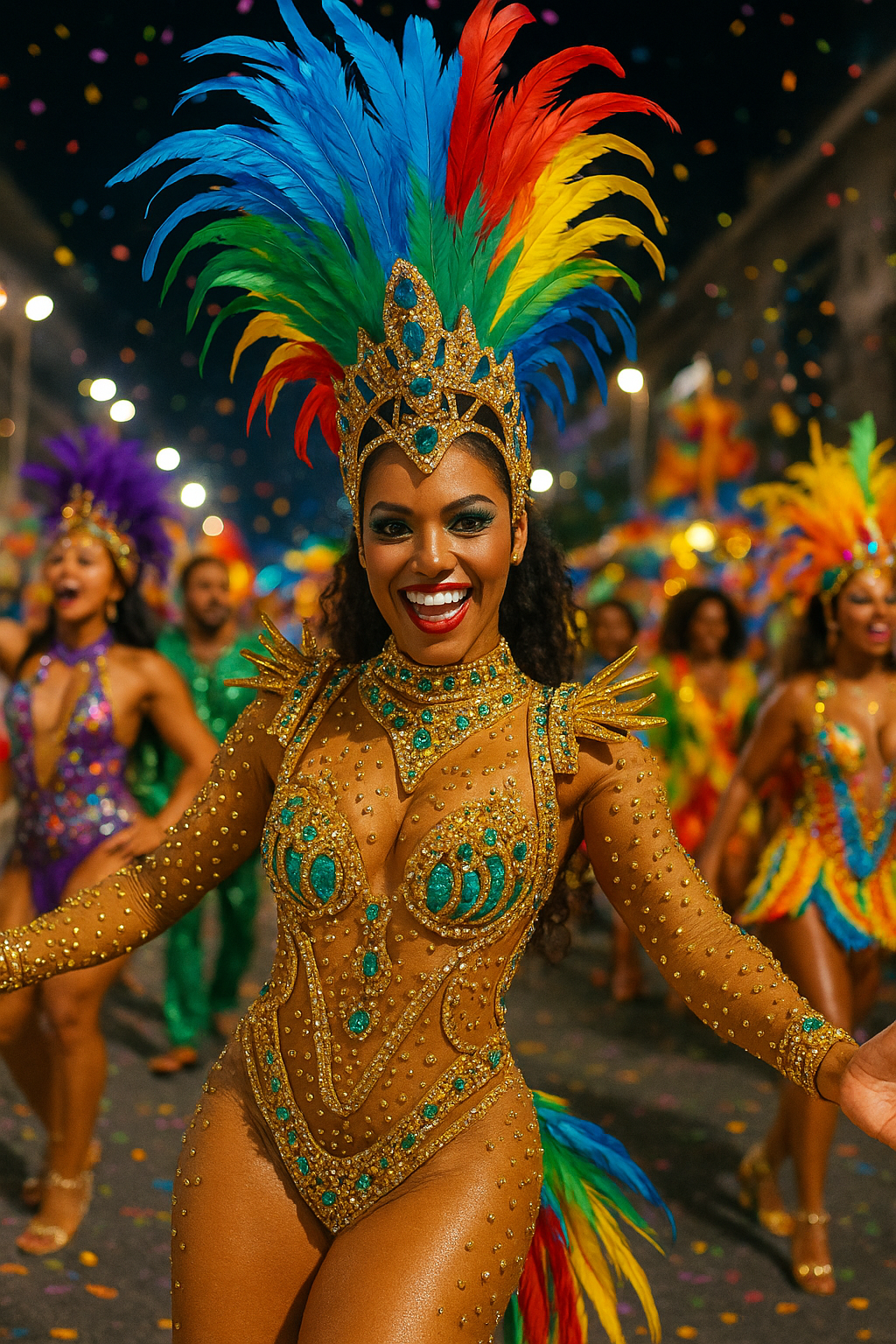
The first time you hear the thunder of distant drums rolling through the streets of Rio, Salvador, Recife, or countless other Brazilian cities in late February, you realize immediately that Carnival is not simply a holiday, not merely a parade, and not just another festive celebration—it is a cultural phenomenon so electrifying, so multilayered, and so deeply woven into the spirit of the Brazilian people that experiencing it even once leaves you changed, recharged, and forever enchanted by the beauty and intensity of Brazilian life. Carnival is an explosion: an explosion of rhythm, color, identity, history, joy, defiance, community, and raw artistic talent, all coming together in what many describe as the greatest festival on Earth.
To the uninitiated, Carnival may appear to be all glitter and samba—sequined costumes, choreographed parades, and millions of revelers dancing in the streets—but beneath the surface lies one of the richest cultural tapestries in the world. Rooted in Indigenous traditions, African heritage, Portuguese influences, Catholic rituals, and centuries of political transformation, Carnival is both a celebration and a commentary. It is at once sacred and playful, spiritual and rebellious, intensely local and stunningly global.
This article takes you on a deep journey into the world of Brazilian Carnival: its origins, its regional differences, its musical power, its social meaning, and its place as a living symbol of the Brazilian soul. Whether your interest is cultural, linguistic, historical, or simply fueled by wanderlust, by the time you finish reading you’ll understand why millions of people dream of experiencing Carnival at least once in their lives—and why Brazil feels like the only country capable of producing something so vibrant, so complex, and so utterly unforgettable.
1. THE ORIGINS: WHERE BRAZILIAN CARNIVAL TRULY BEGAN
Carnival’s roots stretch back to ancient European winter festivals, Catholic pre-Lent observances, and Portuguese "Entrudo" customs. But what transformed Carnival into the uniquely Brazilian celebration it is today was the country's extraordinary blend of cultures.
1.1 Entrudo: The messy beginning
When the Portuguese arrived in Brazil, they brought the tradition of Entrudo, a chaotic celebration involving:
water fights
street pranks
throwing flour and colored liquids on friends and strangers
raucous public play
These traditions were loved by the everyday population but despised by authorities, who attempted—and failed—to suppress them for centuries.
1.2 African rhythms and resistance
As the transatlantic slave trade expanded, millions of Africans were forced to Brazil, bringing rich musical and religious traditions such as:
drumming circles
call-and-response singing
spirituality expressed through dance
rhythms like samba, maracatu, and afoxé
Carnival became a place where enslaved and marginalized communities could express identity, joy, and resistance.
1.3 The birth of samba schools
In early 20th-century Rio de Janeiro, organized samba groups—or escolas de samba—began choreographing elaborate parades with:
themes
costumes
floats
musical ensembles
massive storytelling performances
This institutional structure is what eventually created the world-famous Rio Carnival parade.
2. RIO CARNIVAL: THE GLOBAL ICON
If someone says “Carnival,” most people instantly picture Rio de Janeiro—and for good reason. Rio Carnival is the most internationally recognized, the most televised, and arguably the most spectacular version of the festival.
2.1 The Sambadrome: the stage of giants
Rio's parades take place in the Sambadrome, a massive venue designed by architect Oscar Niemeyer. Here, samba schools compete with:
3,000–5,000 performers per school
themed floats
drum sections (baterias) of over 300 percussionists
dancers, musicians, and costume wings (alas)
strict judging criteria covering harmony, theme, costumes, and choreography
The energy inside the Sambadrome is indescribable—thundering drums, shimmering costumes, and thousands of spectators roaring in celebration.
2.2 The “Rainha da Bateria”
Each samba school features a dazzling queen of the drum section, the Rainha da Bateria—a role combining charisma, beauty, stamina, and deep samba mastery. She symbolizes the soul of the school and sets the tone for the entire parade.
2.3 Blocos: Carnival for everyone
Beyond the official parades, Rio explodes with blocos de rua—massive street parties that gather:
locals
tourists
musicians
dancers
families
Some blocos gather a few hundred people; others attract over a million.
3. SALVADOR CARNIVAL: THE HEARTBEAT OF AFRO-BRAZILIAN CULTURE
While Rio offers spectacle and grandeur, Salvador delivers raw rhythm, African heritage, and electric street energy. Many Brazilians actually insist that Salvador hosts the “true Carnival.”
3.1 The trio elétrico revolution
In Salvador, Carnival centers around trios elétricos—massive sound trucks carrying:
bands
percussion ensembles
singers
DJs
Crowds don special T-shirts (abadás) to enter the truck's dancing area, creating a moving sea of people flowing through the streets.
3.2 Axé music: joy in motion
Salvador is the birthplace of axé, a musical genre that blends:
African rhythms
Caribbean beats
Brazilian pop
intense percussion
Artists like Ivete Sangalo, Daniela Mercury, and Chiclete com Banana are Carnival royalty.
3.3 Afro-blocos and cultural pride
Groups such as Ilê Aiyê, Olodum, and Filhos de Gandhy highlight:
African ancestry
Black pride
traditional drumming
religious symbolism
community empowerment
These performances are both artistic and political.
4. RECIFE & OLINDA: THE CARNIVAL OF TRADITION
If Rio is glitz and Salvador is rhythm, Recife and Olinda are pure cultural tradition.
4.1 Frevo: acrobatics and adrenaline
Frevo is a fast-paced dance with:
sharp kicks
intense footwork
colorful umbrellas
high-energy brass bands
It’s exhilarating, athletic, and uniquely northeastern.
4.2 Maracatu: soul and history
Maracatu performances—with their drums, chants, and ceremonial leaders—blend:
African spirituality
royal court symbolism
community celebration
The sound of maracatu drumming is hypnotic, spiritual, and unforgettable.
4.3 The Bonecos Gigantes
Olinda is famous for its enormous puppets—bonecos gigantes—towering figures up to 12 feet high, carried through the steep cobblestone streets.
5. WHAT MAKES CARNIVAL SO POWERFUL?
Carnival isn’t just fun—it's sociocultural magic.
5.1 A celebration of diversity
Brazil’s population is a mix of:
Indigenous
African
Portuguese
German
Japanese
Italian
Middle Eastern
and many other influences.
Carnival celebrates these identities openly and exuberantly.
5.2 A space for freedom
Carnival temporarily suspends:
social hierarchy
political tension
class boundaries
People from all walks of life dance side by side.
5.3 Artistry and storytelling
Samba schools create themes (enredos) that explore:
history
mythology
social issues
injustice
national pride
A parade is not just entertainment—it is a cultural narrative.
6. THE ROLE OF MUSIC: SAMBA, AXÉ, FREVO, MARACATU, AND MORE
Music is the lifeblood of Carnival.
6.1 Samba
Born from Afro-Brazilian communities, samba blends:
percussion
strings
call-and-response vocals
sweeping melodies
It is Brazil’s national soundtrack.
6.2 Axé
Energetic, joyful, and perfect for dancing. Salvador’s heartbeat.
6.3 Frevo
Fast, bright, and acrobatic—unique to Recife and Olinda.
6.4 Maracatu
Ancestral, spiritual, and drumming-driven.
6.5 Funk Carioca
Increasingly part of modern street Carnival in Rio.
7. COSTUMES, CRAFTSMANSHIP & THE ART OF TRANSFORMATION
Brazilian Carnival costumes are masterpieces, often taking months to create.
7.1 Feathers, sequins, and symbolism
Costumes communicate:
character roles
historical references
cultural themes
political messages
7.2 Carnival ateliers
Teams of artisans spend thousands of hours crafting:
headdresses
wings
masks
beadwork
layered fabrics
7.3 The dancers’ preparation
Passistas, porta-bandeiras, and mestre-salas train for months in stamina, choreography, and grace.
8. CARNIVAL TODAY: EVOLUTION, TECHNOLOGY & GLOBAL IMPACT
Carnival continues to evolve every year.
8.1 Social media and global reach
Platforms like YouTube, TikTok, and Instagram amplify:
samba school rehearsals
bloco videos
costume reveals
Millions participate digitally before ever setting foot in Brazil.
8.2 Tourism and economy
Carnival generates billions of reais annually across Brazil:
hospitality
food and beverage
costume production
parade design
transportation
8.3 Cultural diplomacy
Brazil uses Carnival as a symbol of:
cultural richness
diversity
artistic excellence
national pride
FAQs
1. When does Brazilian Carnival take place?
It typically occurs in February or early March, 40 days before Easter.
2. Which city has the best Carnival?
There’s no single answer:
Rio for spectacle
Salvador for rhythm
Recife/Olinda for tradition
3. Is Carnival safe for tourists?
Yes—if you follow basic precautions, stay aware, and stick to official blocos and recommended areas.
4. Do I need to buy tickets?
Only for Rio’s Sambadrome parades. Street Carnival is free.
5. Can families attend?
Absolutely. Many blocos are family-friendly.
6. What should I wear?
Comfortable clothing, shoes you can dance in, hydration packs, and sunscreen. Costumes encouraged!
7. How much does it cost?
Street Carnival is affordable. Sambadrome tickets vary widely in price.
8. Can I participate in a samba school parade?
Yes! Many schools allow tourists to join if they purchase a costume.
LEARN PORTUGUESE AND EXPERIENCE CARNIVAL WITH CONFIDENCE — JOIN US AT POLYGLOTTIST LANGUAGE ACADEMY
If reading about Carnival has awakened your desire to explore Brazil, dance samba, speak with locals, and fully understand the cultural richness of this festival, now is the perfect time to start learning Portuguese.
At Polyglottist Language Academy, we offer:
engaging group classes
personalized private lessons
native Brazilian instructors
online or in-person options
classes for all levels
Whether you want to navigate Rio’s blocos, join a samba school, or simply connect with Brazilian culture on a deeper level, we’ll help you get there.
👉 Ready to start your journey? Sign up today and begin learning Portuguese with us!
CHECK OUT MORE ARTICLES ON OUR LANGUAGE BLOG
Here are eight more articles you’ll love: